Tata Electronics Cyberattack Exposes Apple and Tesla Project Data
A cyberattack on Tata Electronics by the group 'World Leaks' exposed over 200,000 files, including sensitive project data for Apple and Tesla.
Apple has signed a $30 billion-plus chip deal with Broadcom, which will invest $1.5 billion to upgrade its Colorado plant to bolster localized production of RF components.
CG Power and Renesas Electronics have launched their joint OSAT plant in Sanand, marking a new era for India's semiconductor industry with a target of 16 million chips per day.
Sunil Bharti Mittal, Chairman of Bharti Enterprises, is optimistic about an India-US trade deal being finalized within weeks, citing potential momentum in bilateral economic negotiations.
India has approved a ₹1.25 lakh crore (approx. $15 billion) Semiconductor Mission 2.0 to incentivize domestic wafer fabrication, display production, and packaging, aiming for supply chain self-sufficiency.
Apple is seeking a US government waiver to buy memory chips from blacklisted Chinese supplier CXMT, highlighting supply chain struggles and the impact of trade restrictions.
Escalating conflict in West Asia is disrupting the supply of specialty gases and chemicals, threatening to delay India's semiconductor projects, including Tata's Dholera fab.
Apple is raising prices across its Mac and iPad lines by hundreds of dollars due to a global RAM shortage, creating significant pressure on consumer hardware costs.
The reopening of the Strait of Hormuz has reduced extreme energy supply risks, but supply chain normalization remains slow and costly, keeping energy and freight costs elevated.
Strait of Hormuz shipping reaches record levels, easing supply chain pressures, yet diplomatic tensions persist as Iran denies IAEA access to nuclear sites.
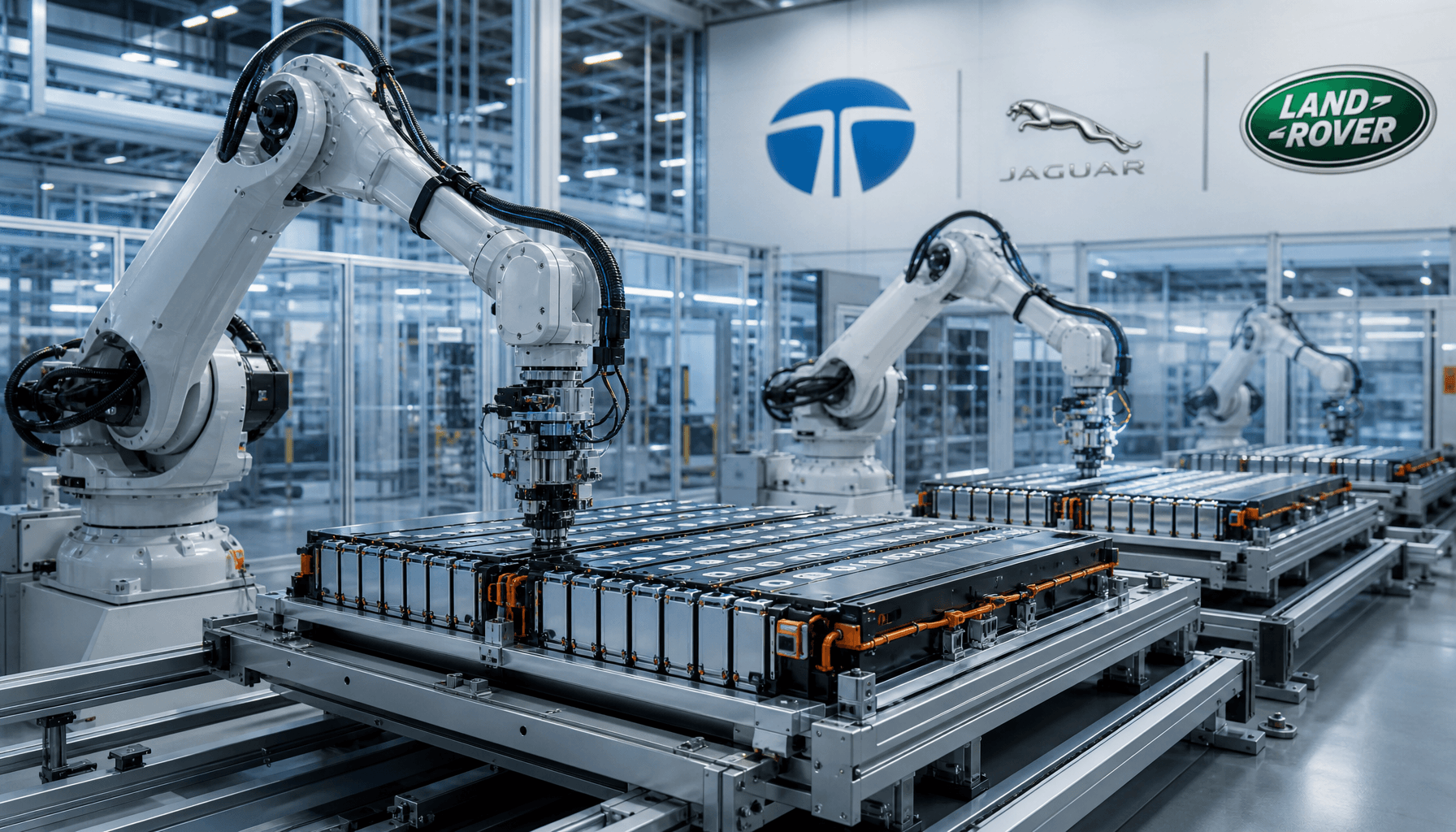
Tata Group's battery arm, Agratas, has signed a $530 million EV battery supply deal with JLR, showcasing vertical integration in India's EV supply chain while adhering to strict corporate governance regulations.
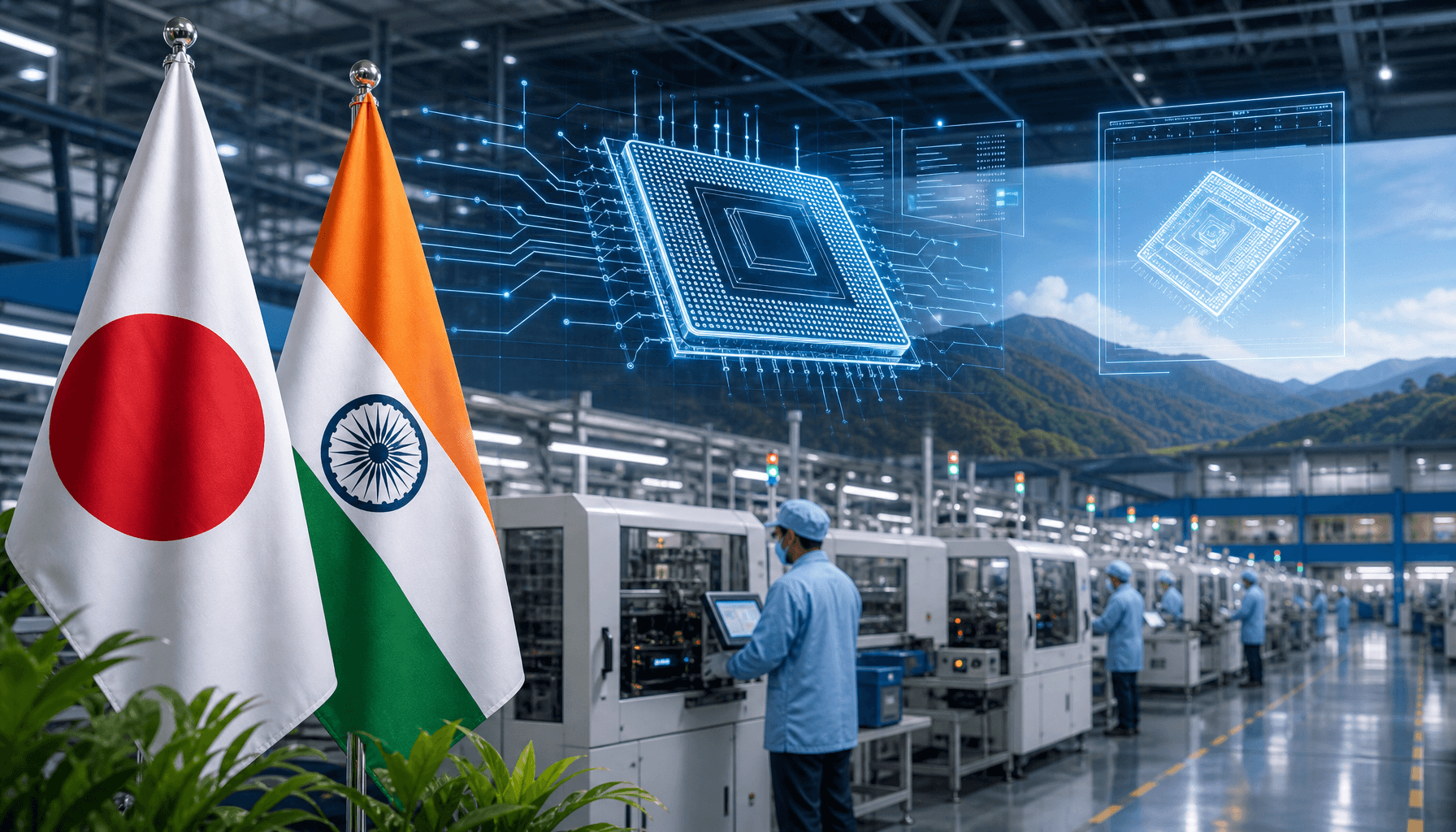
The India-Japan summit moves to Northeast India in July, focusing on semiconductor cooperation and supply chain diversification to boost the 'Make in India' initiative.
China's rare-earth export value surged 44.9% in the first five months despite only 2.2% volume growth. This reflects shifting global demand for critical minerals and is creating cost pressures for the EV and semiconductor supply chains.
Massive memory procurement deals are rising as companies prioritize supply chain resilience and security amidst ongoing global chip shortages and geopolitical pressures.
Waymo has unveiled the Ojai, its first robotaxi manufactured in China, aimed at increasing cost-efficiency for large-scale operations, while facing scrutiny over U.S.-China trade and cybersecurity policies.
Global inflation has driven resource costs to unprecedented levels, impacting both tech development and household budgets. High memory costs for AI chips are driving industry-wide cost optimization, while families are increasingly shifting toward a multi-job workforce to cope with rising essentials.
The hacking group TeamPCP has compromised npm repositories by stealing maintainer credentials, effectively bypassing provenance verification. This highlights critical vulnerabilities in the human-centric security model of open-source supply chains.
The hacker group 'TeamPCP' successfully executed a major supply chain attack on GitHub by injecting malicious code through a poisoned VS Code extension, compromising approximately 3,800 internal repositories. The breach also affected Microsoft’s Python SDK, underscoring the severe risks third-party tools pose to corporate software security.
Electronics giant Foxconn is the latest target of a ransomware group. As a key supplier to Apple, Google, and Nvidia, the breach raises urgent questions about cybersecurity governance and global supply chain resilience.
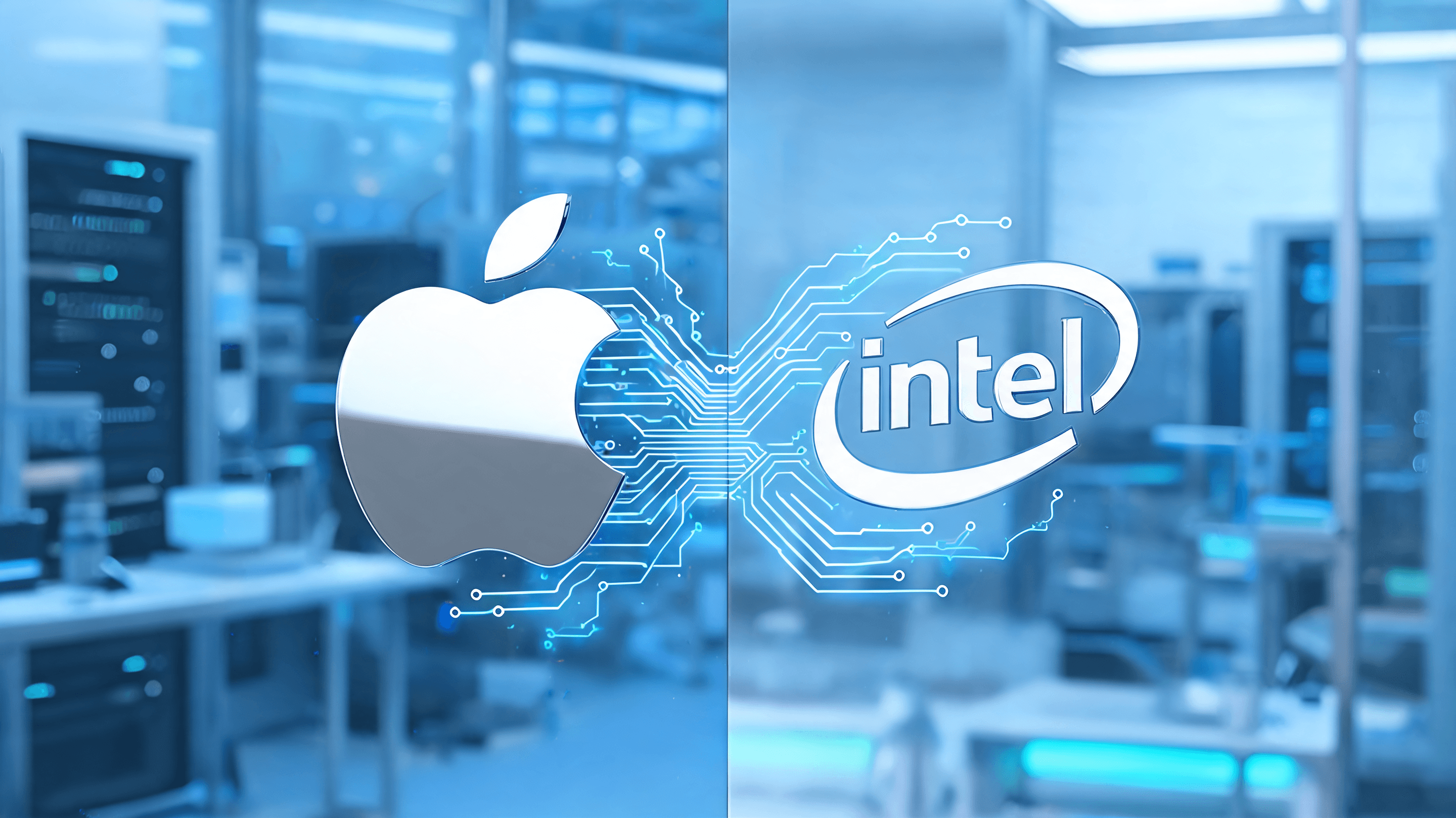
Apple has reportedly reached a preliminary agreement for Intel to manufacture chips for its hardware. This strategic pivot highlights Apple's need for supply chain diversification in a constrained semiconductor market and offers a significant boost to Intel’s foundry business.
Daemon Tools disk management software was compromised in a month-long supply-chain attack that saw a backdoor injected into its installation files, putting thousands of systems at risk.
Amazon is launching Amazon Supply Chain Services (ASCS) to compete directly with traditional carriers like DHL, UPS, and FedEx by opening its internal logistics infrastructure to the broader market.
Apple has reached record sales for the iPhone 17, but CEO Tim Cook is preparing to step down while the company grapples with significant supply chain constraints that are likely to cause Mac shortages for several months.
Apple sees iPhone revenue jump 22% on extraordinary demand, but hardware supply bottlenecks, including long wait times for the Mac Mini, persist.
Apple reported record sales, but faces a severe supply chain crisis as unexpected AI-driven demand has led to long-term component shortages for its Mac lineup.
Samsung Electronics is facing a potential 18-day strike by its workforce next month. As a leader in memory chip production, any prolonged interruption to operations threatens global supply stability for smartphones, servers, and AI infrastructure.
Global DRAM shortages are expected to persist, with production meeting only 60% of demand by 2027 and supply constraints potentially lasting until 2030 due to high AI demand.
Japan has successfully accessed deep-sea rare earth deposits in the Pacific, aiming for strategic autonomy from Chinese supply chains, while facing complex international regulatory and ecological standards.
Microsoft has increased the prices of its Surface Pro 11 and Surface Laptop 7 by $500, citing the ongoing global RAM shortage. The starting price has shifted from $999 to $1,499.
Cyberattacks on data centers and supply chains are on the rise, pushing the industry to adopt the Open Cybersecurity Schema Framework (OCSF). Adopting OCSF improves threat detection and helps enterprises meet regulatory demands while providing a legal defensive layer against negligence claims during breaches.
Amazon has introduced a temporary fuel surcharge for sellers in response to the escalating conflict in Iran and the resulting volatility in global energy markets.
The widely-used Axios library was compromised when an attacker stole a maintainer's npm token, pushing malicious versions containing a remote access trojan. The incident underscores the severe risks inherent in modern software supply chain trust.
Sony has suspended orders for major memory card lines due to global supply constraints, highlighting ongoing bottlenecks in the semiconductor and NAND Flash industries that threaten to disrupt professional imaging workflows.
The FCC has implemented a sweeping ban on the import and sale of new foreign-made consumer Wi-Fi routers to bolster supply chain security, raising concerns about potential supply disruptions and price increases.
Delve faces fraud accusations over fake compliance, while the Trivy scanner has been compromised, highlighting critical vulnerabilities and legal risks in security supply chains.
The conflict involving Iran has transformed into a global systemic crisis, combining destructive cyberattacks with physical disruptions to shipping. The U.S. has linked the Iranian government to the 'Handala' group, which recently targeted medical giant Stryker and disrupted vehicle breathalyzer systems across the U.S. Simultaneously, threats to maritime routes have paralyzed Red Sea shipping, pushing energy markets toward a worst-case scenario. This multi-front hybrid war is exerting massive inflationary pressure on the global supply chain.
The hardware market is splitting as Apple withdraws entry-level Mac Studio models due to a RAM shortage, while a global coalition pushes for $40 smartphones to bring 20 million people online. Despite India's booming demand, rising component costs are challenging the efforts to provide affordable technology for the world's unconnected population.

Apple has launched the budget-friendly MacBook Neo to target price-sensitive markets. However, the move comes alongside the quiet discontinuation of certain Mac Studio models, highlighting how global RAM shortages are forcing tech giants to streamline hardware and focus on efficiency.
The conflict in the Middle East is triggering a global tech fallout: over 1,100 ships have been targeted by GPS spoofing, Amazon facilities have been damaged, and Iran has cut off nationwide internet access. Experts warn that digital and physical supply chains are now primary targets in modern warfare.
A global memory shortage is predicted to drop smartphone shipments to 1.12 billion units, with HP reporting RAM costs have surged to 35% of total PC material costs.