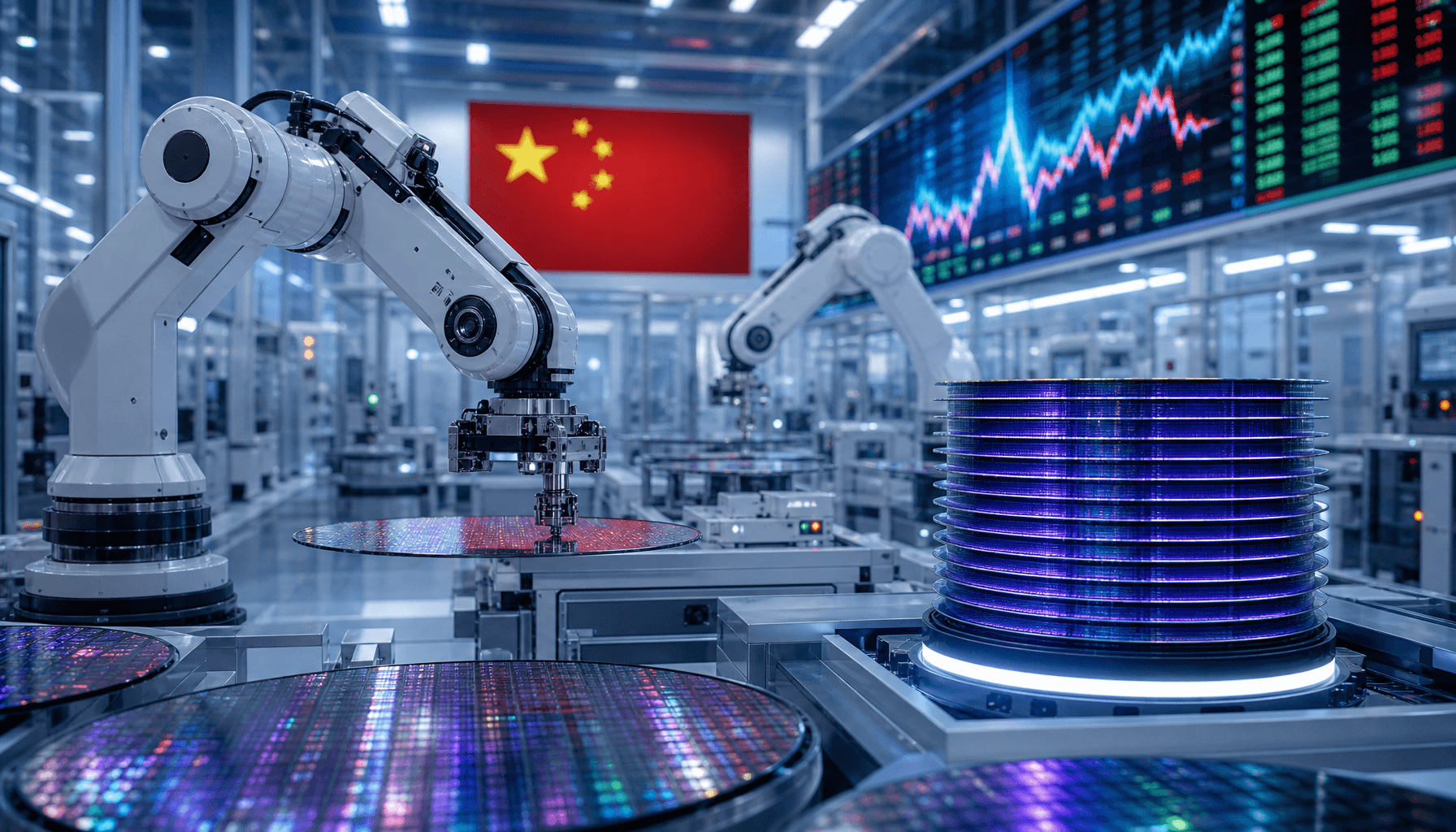
The Global Memory Crisis
Recently, the global consumer electronics market has been struck by a supply chain tsunami triggered by a severe global RAM shortage. According to multiple reports from The Verge, Apple has officially adjusted the pricing strategy for its entire Mac and iPad lineups, with increases reaching hundreds of dollars. This move is not merely a reflection of product iteration but a direct consequence of the structural imbalance in the global memory supply chain. As semiconductor capacity remains constrained, this price adjustment has sent shockwaves through the consumer electronics industry.
Technical and Supply Chain Drivers
Apple's decision reflects the modern hardware's heavy reliance on high-performance memory. With the surge in local AI processing needs and the requirements of large language models, the demand for Unified Memory in Apple's latest processor architectures has skyrocketed. However, global memory manufacturers are facing significant production bottlenecks. Memory chips are not only experiencing intense price volatility but are also competing with high-margin AI server chips for limited foundry capacity. When memory supply fails to meet demand, the increased costs are inevitably passed on to the consumer.
Market Data and Consumer Impact
Google Trends data indicates that this topic has reached a search interest score of 85 in California and 62 in Taiwan, highlighting the global concern in both tech hubs and supply chain nodes. For consumers, the timing of these price hikes is particularly sensitive, especially during the Amazon Prime Day sales. The Verge notes that current discounts may represent the final opportunity for consumers to purchase Apple products before the price increases take full effect. This "pre-hike" buying sentiment has further intensified pressure on short-term inventory levels.
Future Outlook and What to Watch
This crisis is not limited to Apple; it is a microcosm of the challenges facing the entire consumer electronics sector. Analysts suggest monitoring the ongoing trends in DRAM contract prices and the expansion timelines of major memory manufacturers such as Samsung, SK Hynix, and Micron. If the memory shortage persists through the end of 2026, we are likely to see more brands following suit with price increases. Consumers planning hardware purchases in the coming quarters should carefully weigh their performance needs against potential price hikes to avoid purchasing during the peak of supply chain instability.