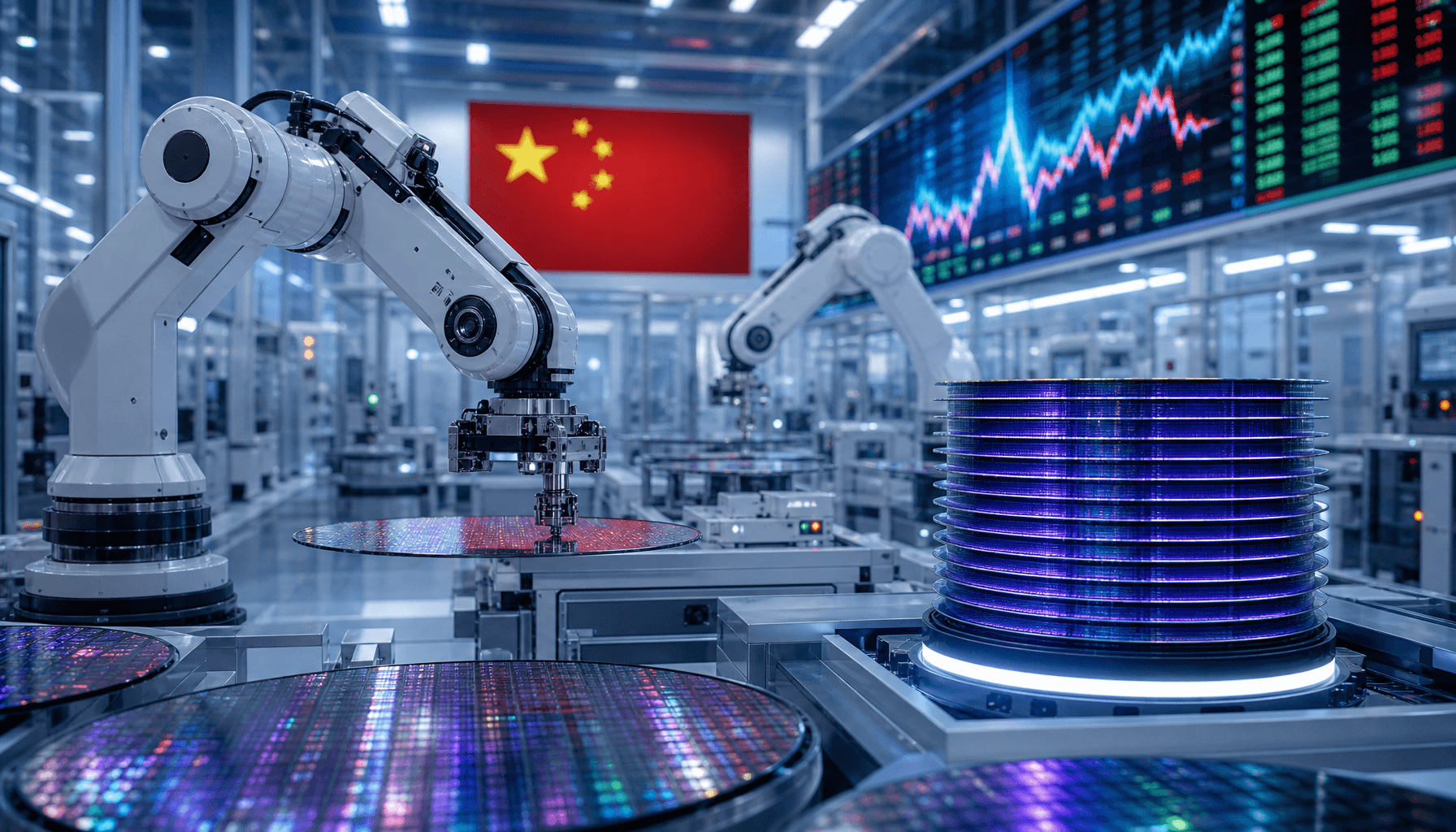
Apple Faces Supply Chain Headwinds
Apple Inc. is reportedly seeking a waiver from the United States government to purchase memory chips from a Chinese supplier currently on the US Entity List. This move highlights the deepening challenges Apple faces in maintaining a stable supply chain amidst global memory shortages and increasingly stringent US export controls on Chinese semiconductor firms. As one of the world's largest consumers of memory, Apple’s strategy to diversify its sources is colliding with national security policies.
The Intersection of Trade and Technology
At the center of this controversy is CXMT, a Chinese memory manufacturer. Under the Bureau of Industry and Security (BIS) guidelines, companies on the Entity List are subject to a policy of "presumption of denial." For Apple to secure these chips, it must navigate a complex regulatory process to prove that such engagement does not undermine US national security. This development underscores the vital role of memory chips as a strategic asset in the ongoing US-China tech rivalry.
Industry Dynamics and Micron's Stance
This supply chain struggle is part of a broader industry narrative. Micron Technology has publicly suggested that Apple’s massive purchasing power has contributed to a broader memory price crisis, essentially arguing that Apple’s demand patterns have skewed market stability. When Apple pivots toward restricted suppliers due to capacity constraints, it triggers intense debates regarding market fairness and the unpredictability of memory pricing.
Market Sentiment and Trends
Data indicates that memory market imbalances remain a primary concern for the technology sector. Industry analysts observe that interest in this supply chain bottleneck is rising among stakeholders, reflecting acute anxiety over chip availability. Should Apple successfully secure a waiver, it could set a precedent for other tech firms, though it would likely invite scrutiny from US lawmakers concerned about potential national security loopholes.
Legal and Regulatory Implications
Apple’s request will undergo rigorous review under the Export Administration Regulations (EAR). Legal experts suggest that securing such a waiver is exceptionally difficult in the current political climate. The BIS is tasked with determining whether such a partnership would enhance China’s strategic capabilities in semiconductor manufacturing. This assessment process is expected to be lengthy, forcing Apple to explore alternative supply paths in the interim.
Future Outlook
Whether Apple obtains this waiver will serve as a key barometer for US-China trade relations in the tech sector. Approval would signal a potential compromise in the US strategy to decouple critical supply chains, while rejection would force Apple to accelerate its exit from Chinese-dependent suppliers, likely leading to increased short-term costs and potential product delays. For investors, the stability of the memory supply chain remains a critical variable to watch in the coming quarters.