Vertical Integration in India's EV Supply Chain
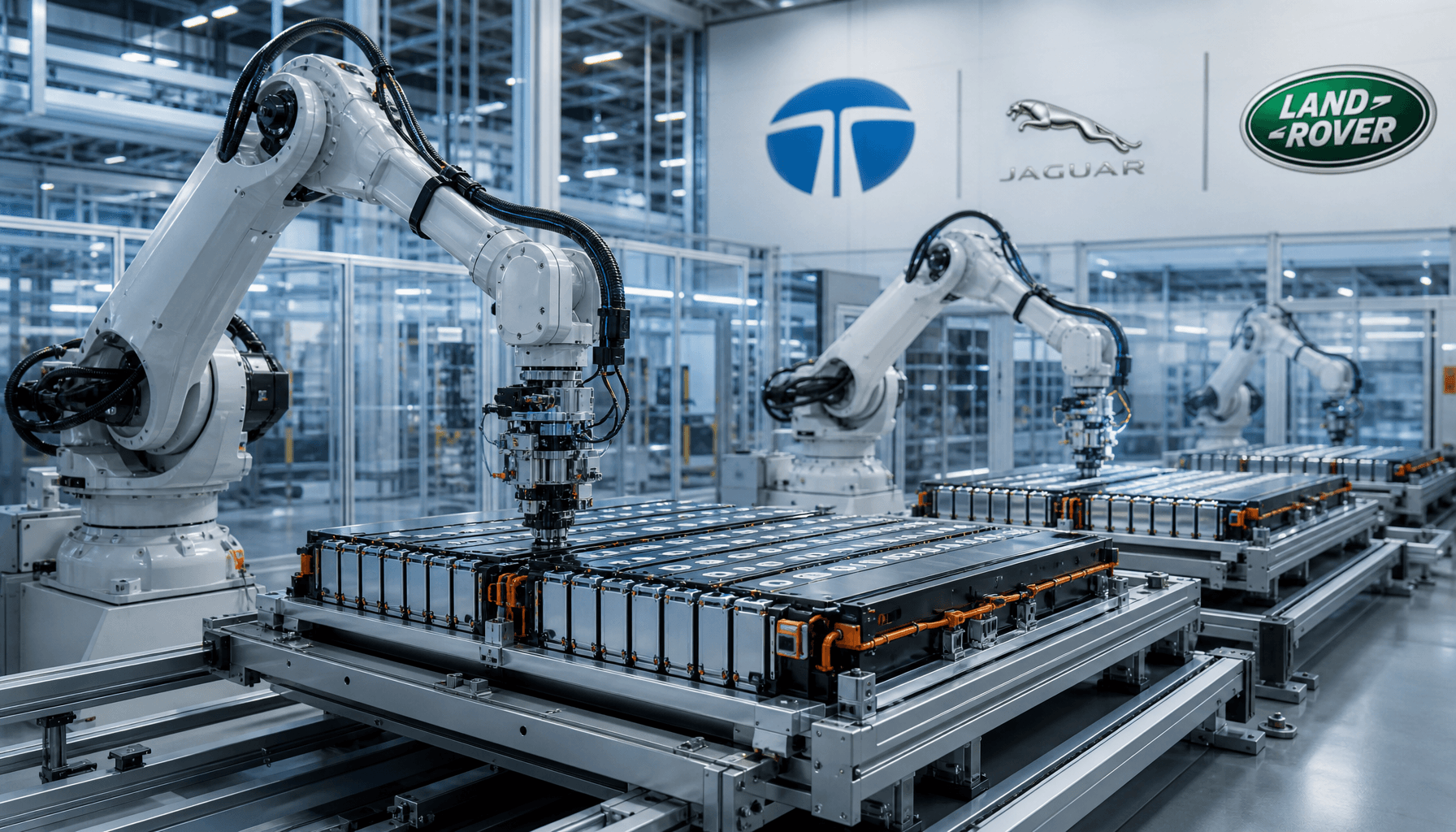
Tata Group's battery manufacturing arm, Agratas, has recently signed a US$530 million EV battery supply agreement with the group's premium luxury brand, Jaguar Land Rover (JLR). This related-party transaction is not only a significant milestone for the Indian electric vehicle supply chain but also highlights the strategic intent of large conglomerates to strengthen their market competitiveness through vertical integration. According to reports from LiveMint, this deal is expected to generate approximately US$42 million (₹400 crore) in revenue for Agratas in FY27.
The Regulatory Perspective on Related-Party Transactions
Under the Indian Companies Act (2013) and the listing regulations of the Securities and Exchange Board of India (SEBI), there are strict regulatory requirements regarding related-party transactions within conglomerates like the Tata Group. To protect the interests of minority shareholders, such transactions must undergo rigorous scrutiny by the Audit Committee and the Board of Directors to ensure they are conducted on an "arm's-length basis." The signing of this agreement is not only a commercial decision but also a concrete manifestation of corporate governance and compliance.
Industrial Impact and Market Outlook
EV batteries are the most critical components in the transformation of the automotive industry. Through the deep collaboration between Agratas and JLR, the Tata Group aims to ensure supply chain stability and reduce reliance on external procurement. This holds significant implications for India's strategic positioning in the global EV market. According to Google Trends data, search interest related to "Tata EV batteries" and "JLR supply chain" has shown steady growth in the Indian market, reflecting the attention of industry insiders and investors toward this vertical integration model.
Future Outlook
As the penetration rate of electric vehicles increases, the technology R&D and production efficiency of batteries will become decisive competitive factors. This agreement by Agratas not only lays the foundation for its revenue in FY27 but also provides substantial support for the Tata Group's competitiveness in the global battery market. Future monitoring will focus on the expansion speed of battery production lines and whether technological innovation can continue to keep pace with JLR's EV R&D trajectory.
Conclusion
Tata Group's move not only optimizes internal resource allocation but also demonstrates the strategic resilience of Indian enterprises in meeting the challenges of the global energy transition. Through a compliant governance structure and long-term supply chain positioning, the Tata Group is steadily moving toward the forefront of EV battery manufacturing.