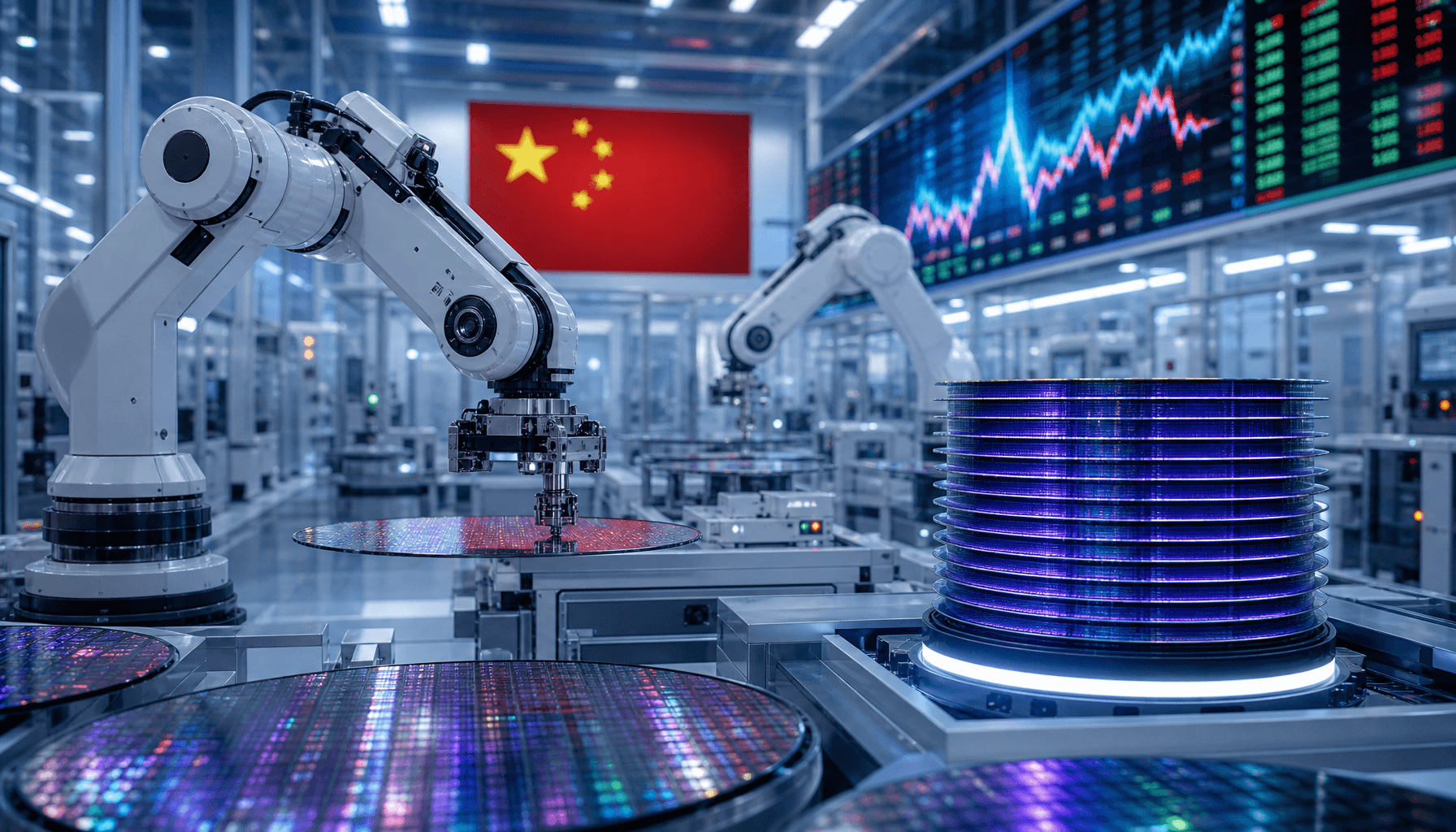
A Milestone in India's Semiconductor Strategy
Recently, Indian Minister for Electronics and IT Ashwini Vaishnaw officially declared that India has entered a "new semiconductor era" as the OSAT (Outsourced Semiconductor Assembly and Test) facility in Sanand, Gujarat, began commercial production. This project, a joint venture between CG Power and Japan’s Renesas Electronics, involves an investment of Rs 7,600 crore and represents a pivotal development in the "Make in India" and "Atmanirbhar Bharat" initiatives.
This facility is the third major semiconductor unit in India, signaling the country’s serious intent to integrate itself into the global semiconductor supply chain. By focusing on the back-end processes, India is addressing a critical link in the semiconductor value chain that is essential for both domestic and international electronics manufacturing.
Technical Capabilities and Production Targets
According to CG Power’s Executive Vice Chairman Subbiah, the plant is ramping up operations with an ambitious target of producing 16 million chips per day within the next 24 months. Achieving this scale is dependent on receiving G1 quality certification, which is a rigorous standard required to supply chips to global automotive and industrial sectors.
OSAT facilities are the final stage of semiconductor manufacturing, where silicon wafers are packaged and tested to ensure functionality. The partnership with Renesas Electronics is strategic, providing India with the necessary technical expertise and quality oversight to meet global standards. This collaboration is expected to reduce the complexity of market entry for Indian-made semiconductors.
Industry Analysis and Market Trends
Search interest data highlights the global intensity surrounding this sector. In California, the interest score for AI and semiconductor-related searches stands at 85, while in Taiwan, it is 29. This disparity underscores the different roles these regions play in the global value chain—California as a design and innovation hub, and Taiwan as a manufacturing powerhouse. Analysts suggest that India’s entry into OSAT helps diversify the global supply chain, mitigating risks associated with over-concentration in East Asia.
Market research indicates that the OSAT sector is poised for significant growth, driven by the increasing demand for IoT devices and automotive electronics. India’s entry provides a competitive alternative, leveraging its large pool of engineering talent and government-backed incentive programs.
Policy Implications and Future Outlook
The Indian government has deployed aggressive incentive schemes to lure semiconductor players to the country. The Sanand cluster, where the CG Power facility is located, is rapidly becoming a hub for electronics manufacturing. Government officials have emphasized that this is only the beginning of a broader strategy that includes promoting wafer fabrication and modular assembly.
Looking forward, the success of the CG Power-Renesas venture will be a litmus test for India's semiconductor policy. If the company achieves its 16 million-chip daily production target within two years, it will solidify India’s reputation as a reliable player in the global semiconductor landscape, potentially attracting further foreign direct investment and fostering a robust internal ecosystem.