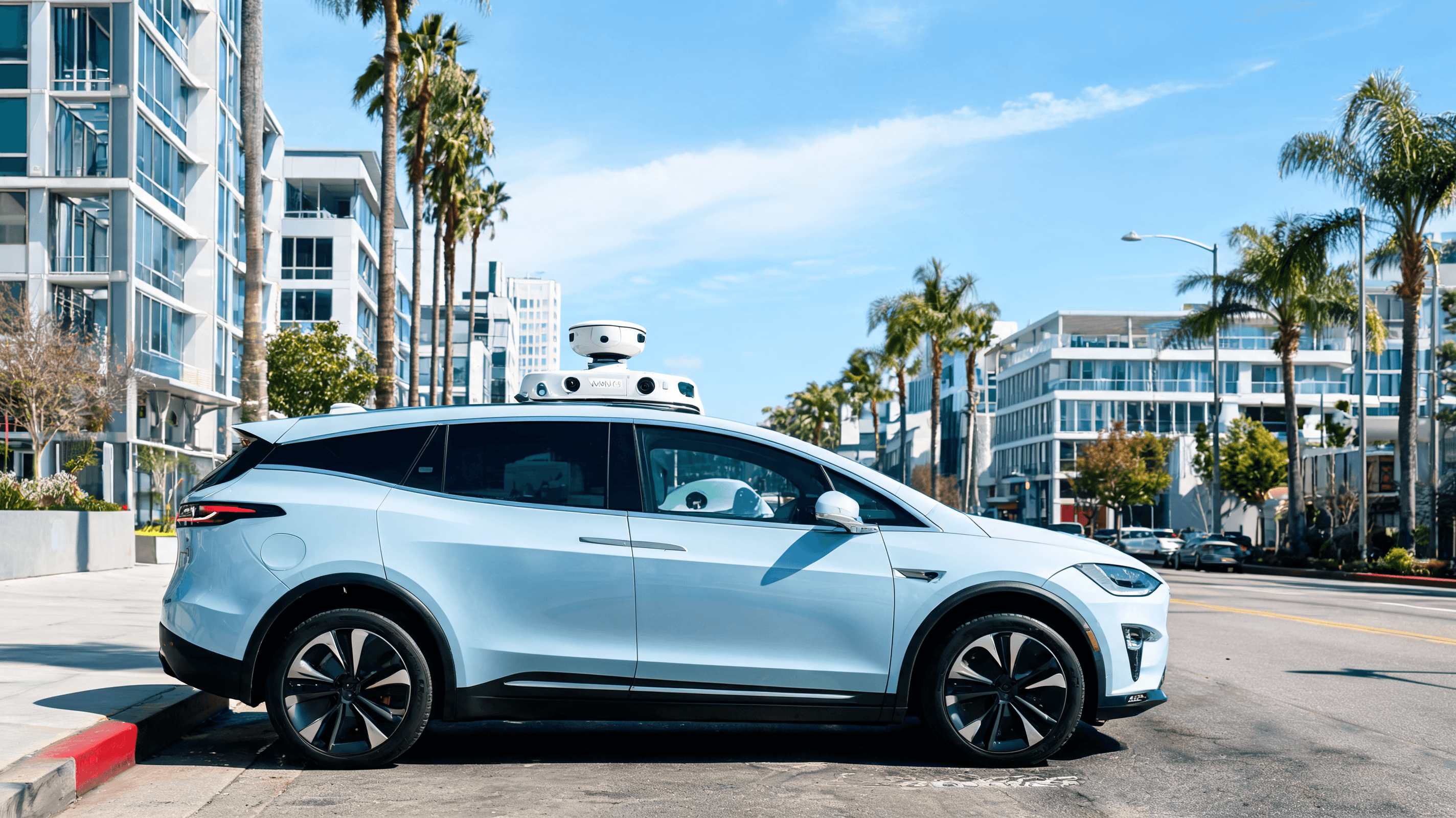
A Shift in Hardware Strategy
Waymo, a leader in autonomous driving technology, has recently debuted its latest robotaxi, the "Ojai." This vehicle not only represents a technical milestone for the company but also signifies a major strategic pivot in its hardware supply chain: Ojai is Waymo’s first robotaxi model to be manufactured in China. This decision has sparked significant industry conversation, especially against the backdrop of heightened U.S.-China trade relations and tightening technology export controls.
Design and Market Deployment
According to reports from TechCrunch and Wired, the Ojai model is designed specifically for operational efficiency and profitability, aiming to offer cost-effective transportation in dense urban environments. The pale-blue Ojai vehicles are scheduled to begin picking up members of the public in California and Arizona within the coming weeks. By leveraging Chinese manufacturing capabilities, Waymo intends to drive down per-vehicle production costs, which is a vital step toward achieving long-term profitability in the competitive robotaxi market.
Trade Policy and Legal Challenges
While the Ojai model provides a boost to Waymo’s expansion plans, its supply chain choices face complex legal and policy scrutiny. U.S. Section 301 tariffs on Chinese goods may affect the cost structure of these vehicles. Moreover, the U.S. Department of Commerce is actively investigating the use of Chinese-origin hardware and software in "connected vehicles," citing potential national security concerns regarding data privacy. Waymo must navigate this delicate balance between benefiting from high-efficiency manufacturing and maintaining compliance with evolving U.S. national security regulations.
Industry Impact and Trends
The launch of this model reflects the autonomous vehicle industry’s growing urgency regarding unit economics. As capital markets become less tolerant of high-burn-rate business models, hardware cost control has emerged as a deciding factor for long-term viability. Industry observers note that the sector is transitioning from a period of technical validation to one of large-scale commercialization, causing shifts in how companies source their vehicle hardware.
Future Outlook
Waymo must demonstrate that these Chinese-manufactured vehicles meet stringent U.S. standards for safety, data privacy, and cybersecurity resilience. If the Ojai’s initial deployment in California and Arizona is successful and avoids regulatory entanglement, it could set a precedent for other autonomous driving companies to adopt similar hardware sourcing strategies. Conversely, if the model faces regulatory backlash, Waymo may be forced to pivot to alternative manufacturing locations, which would significantly impact its commercialization timeline.