Macroeconomic Headwinds in Southeast Asia: Manufacturing Slump and Inflation Risks
Thailand's factory output fell 3.1% in June, while Singapore's central bank tightened policy due to inflation risks, highlighting regional macroeconomic headwinds.
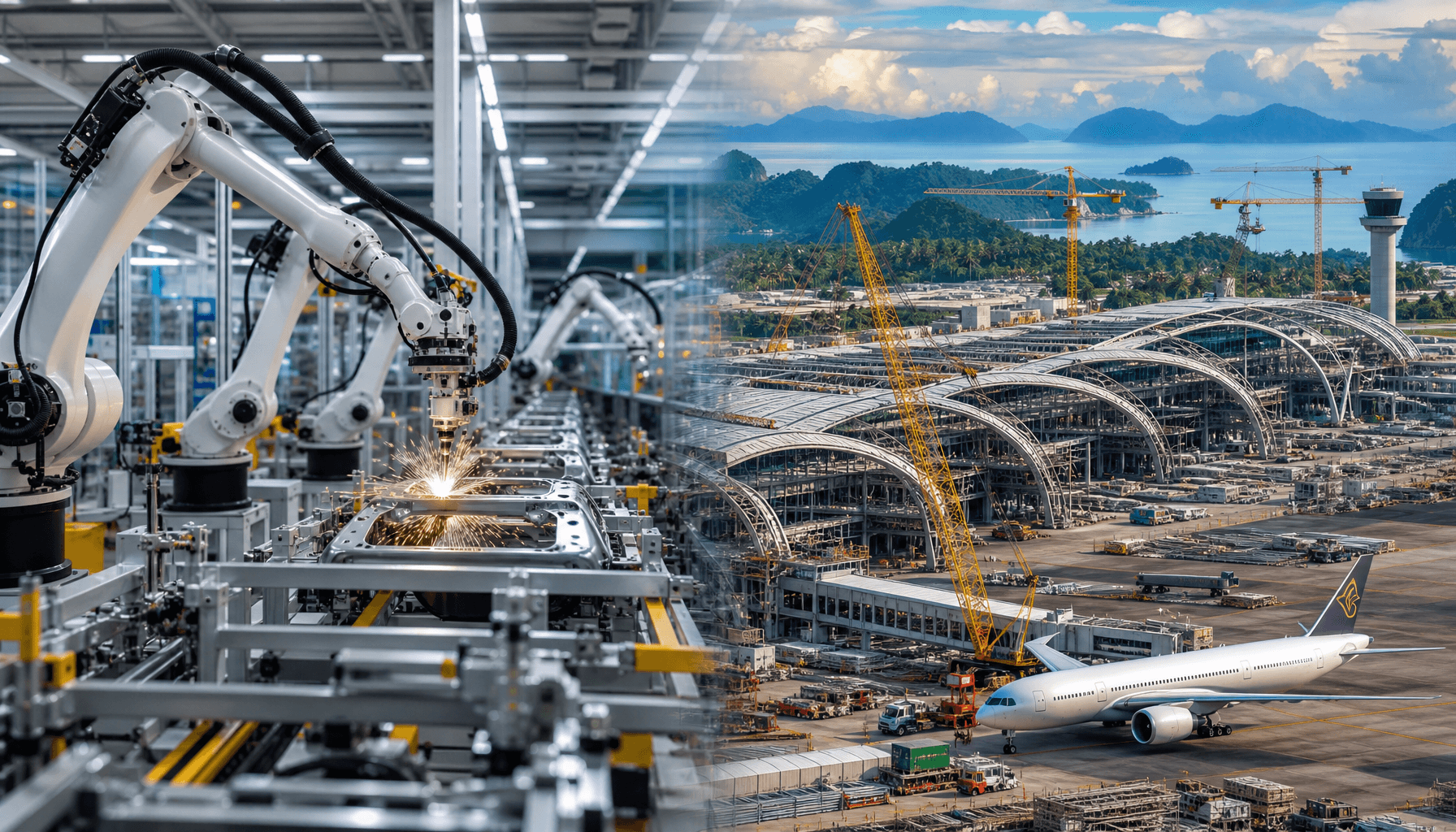
Thailand is leveraging its automotive foundation to become a robotics hub, while Vietnam targets aviation logistics via the Long Thanh Airport, as both nations drive Southeast Asia's tech manufacturing upgrade.
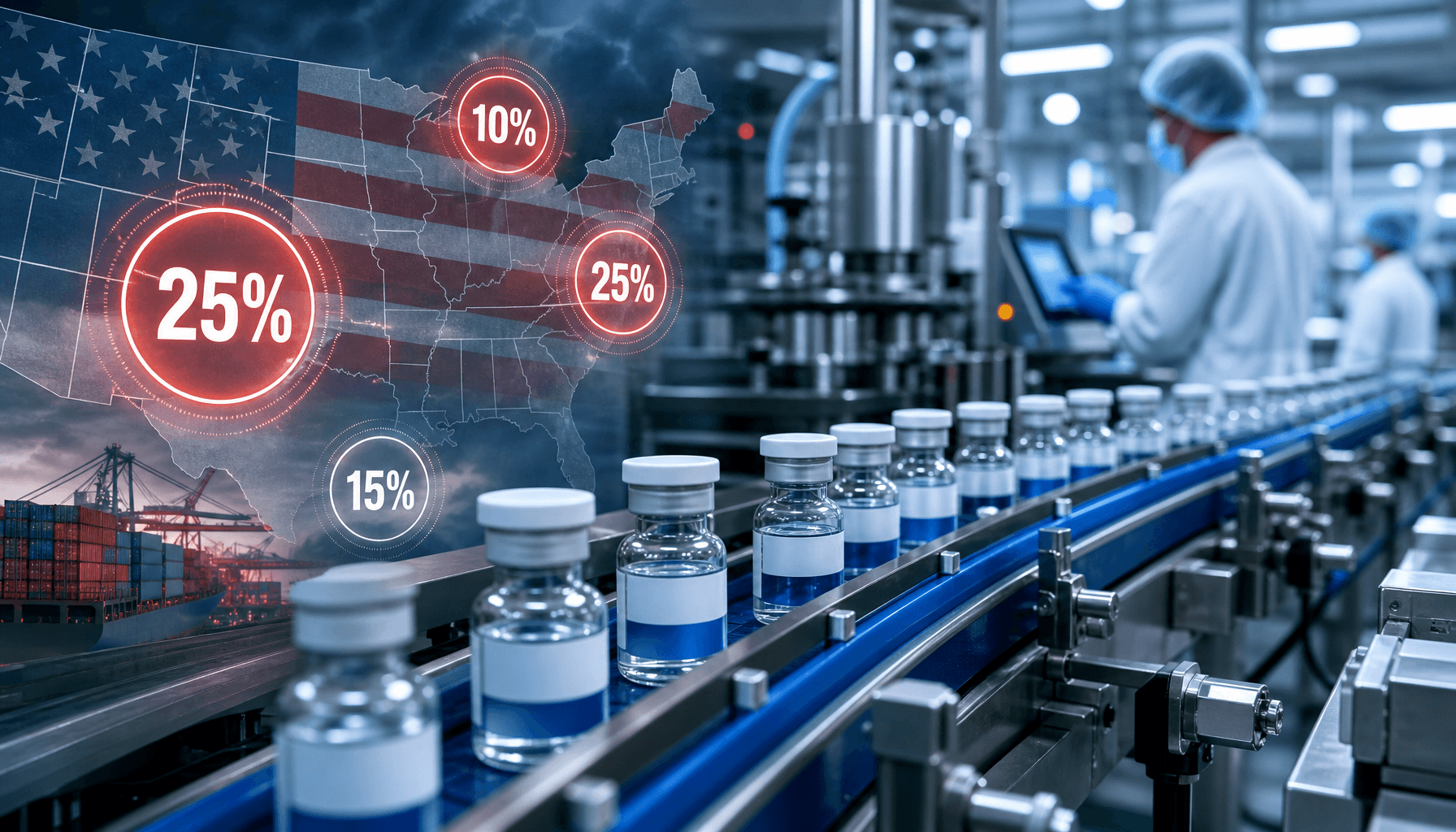
President Trump announced a phased tariff plan for generic drugs, reaching 200% by 2028, to force manufacturing back to the US. Indian pharma stocks dipped, while industry leaders like Sandoz are seeking dialogue. Analysts cite WTO conflicts and potential supply shortages.
TSMC announces an additional $100 billion investment in its Arizona facilities to meet surging AI chip demand, a move set to reshape the global semiconductor supply chain.
India and the EU deepen their strategic partnership on AI and semiconductors, supported by India's ₹1.9 lakh crore manufacturing stimulus, aiming for regulatory and technological alignment.
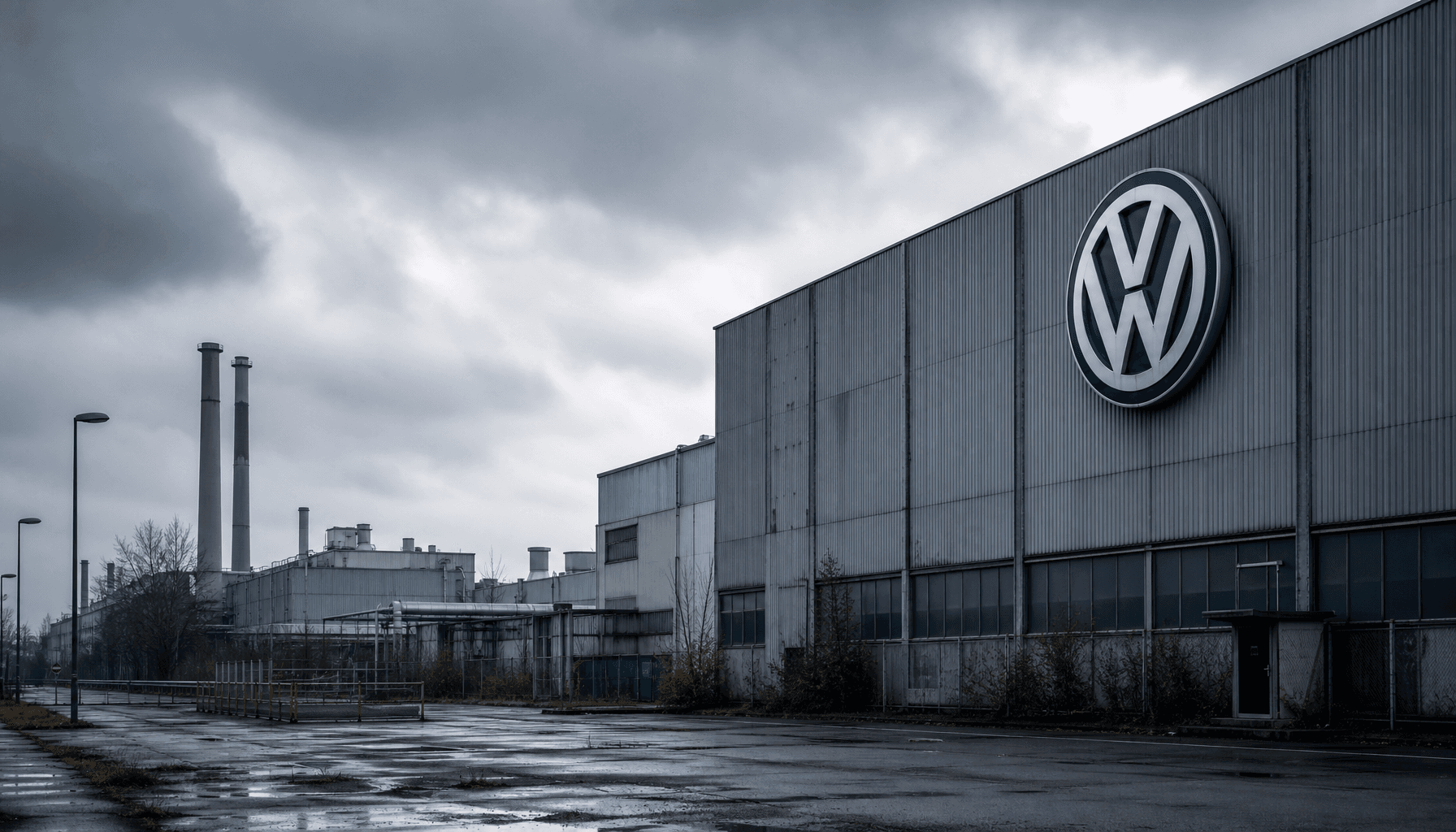
Volkswagen is planning up to 50,000 job cuts to combat high operational costs and intense competition in China, highlighting the challenges of the transition to electric vehicles.
Ford has rehired 350 engineers after its AI systems failed to match human expertise in vehicle engineering. The VP admitted the company underestimated the value of its experienced staff, highlighting the limits of automation in manufacturing.
Agentic AI systems like RocketSmith are automating the design, manufacturing, and optimization of high-powered rockets. Through multi-agent collaboration, these systems drastically increase design iteration speeds, transforming hardware engineering from a digital tool into an autonomous, intelligent partner.
BMW is integrating humanoid robots into its European factories to upgrade intelligent manufacturing, marking a major shift in the automotive industry's labor structure.
BMW is expanding its use of humanoid robots in European car manufacturing facilities, reflecting a broader industry trend toward automating factory floors with dexterous robotic systems.
Samsung Electronics has reached a tentative deal with its labor union, averting a planned 18-day strike. The move successfully prevents significant disruptions to the already constrained global memory chip supply chain.
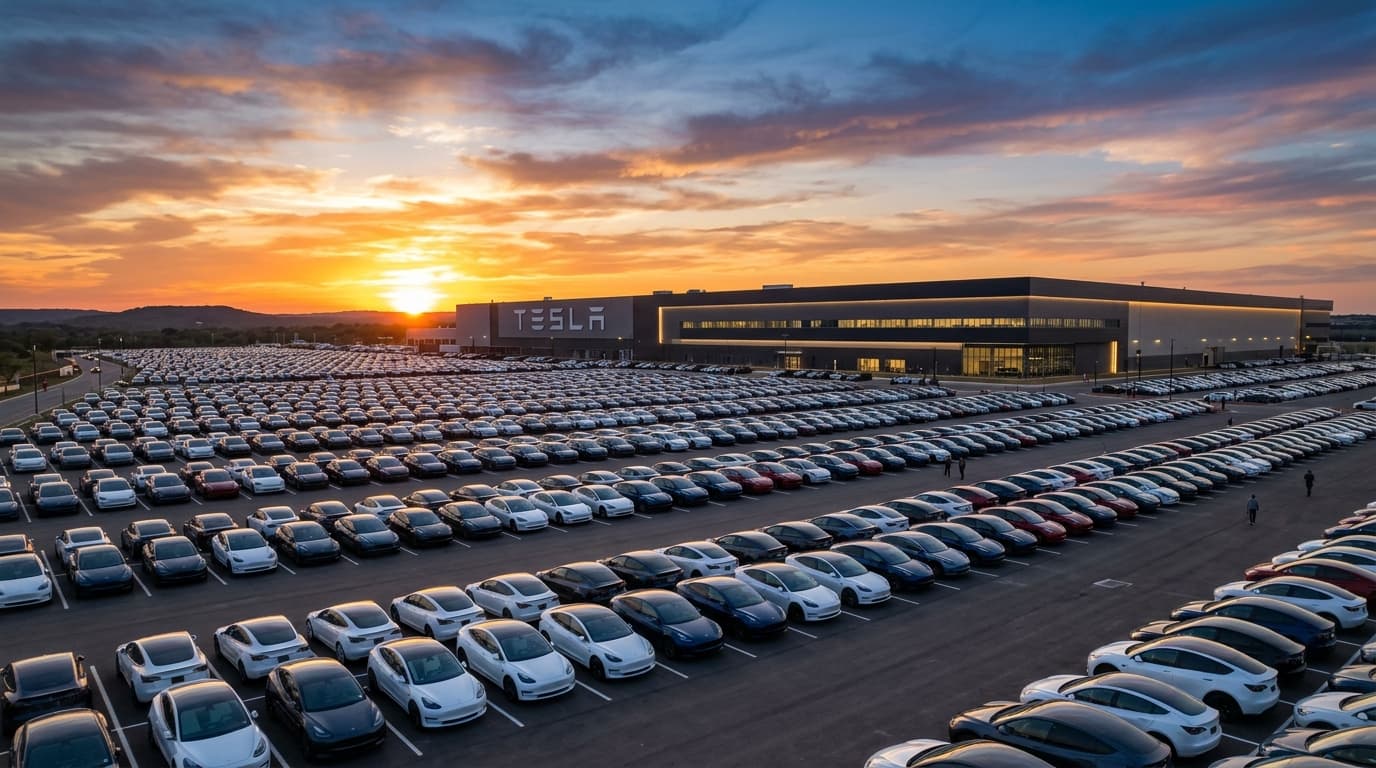
Tesla’s Q1 2026 sales increased by 6%, but the company produced 50,000 more vehicles than it could sell, highlighting a significant overproduction problem and continuing concerns about slowing long-term growth.
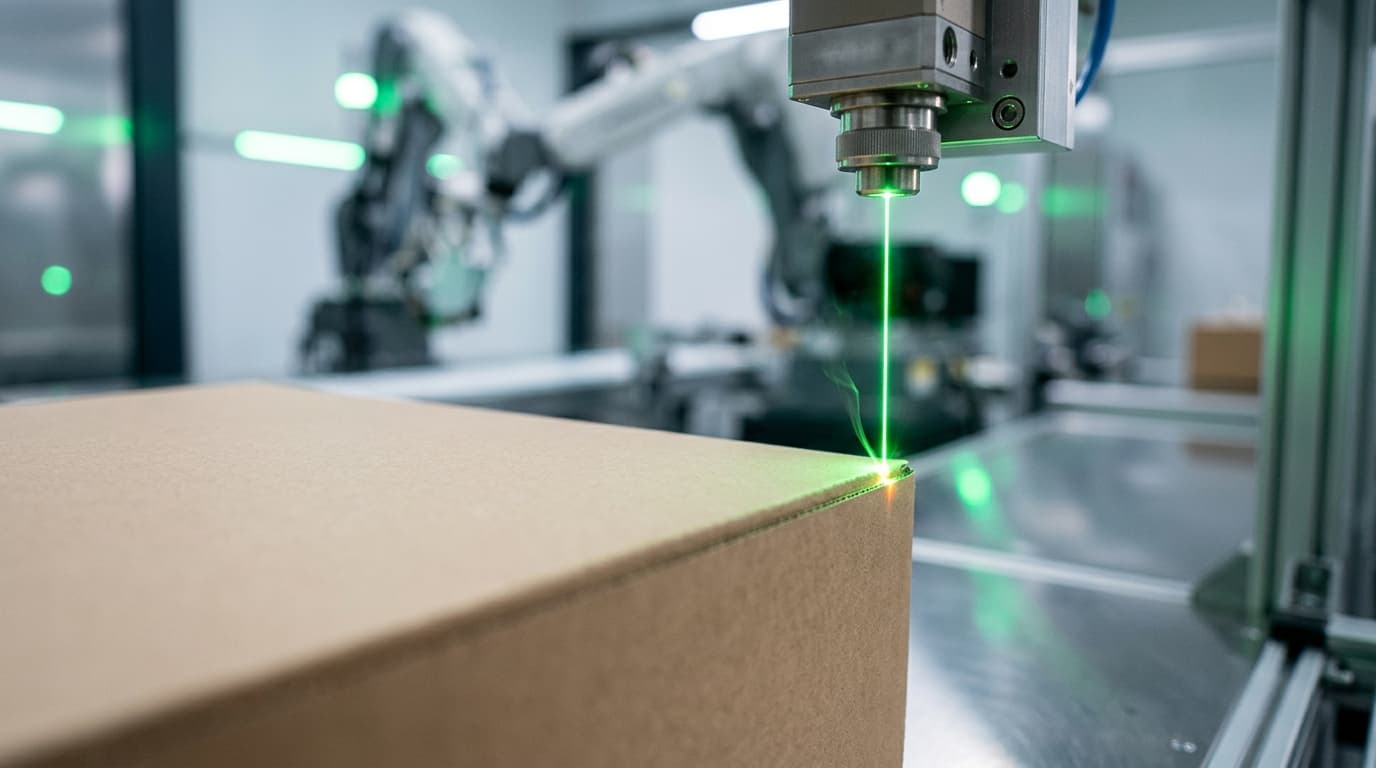
Researchers at the Fraunhofer Institute have developed a laser-based process to seal paper packaging without the use of glue, drastically improving the recyclability and quality of the resulting material.
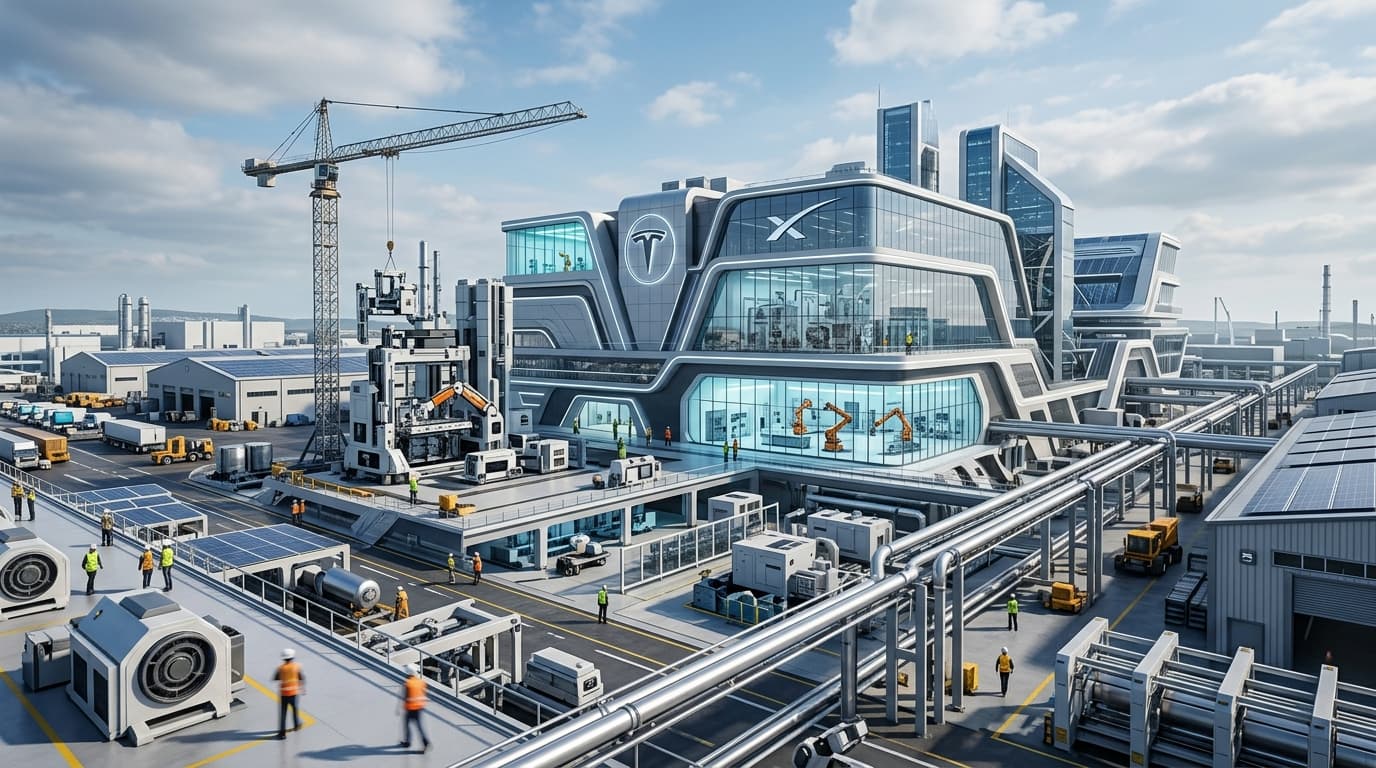
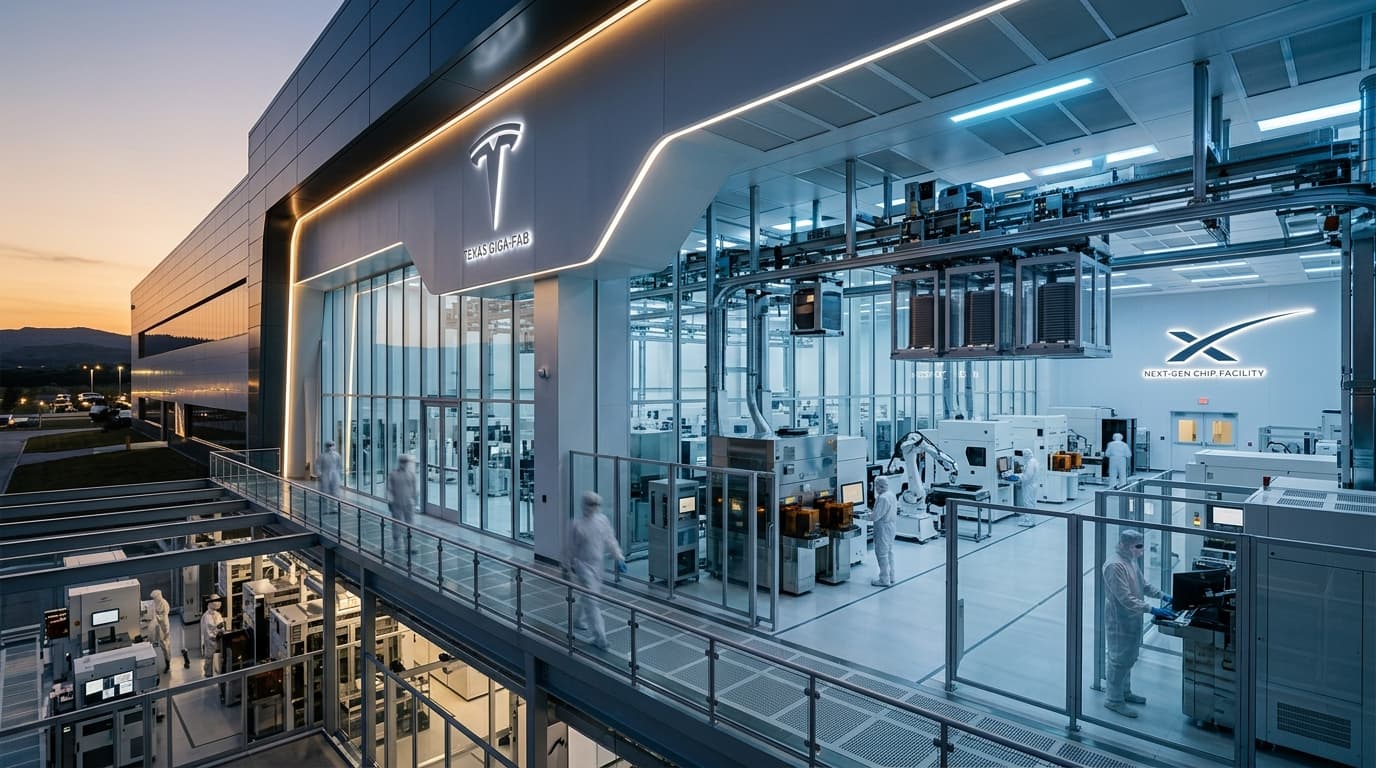
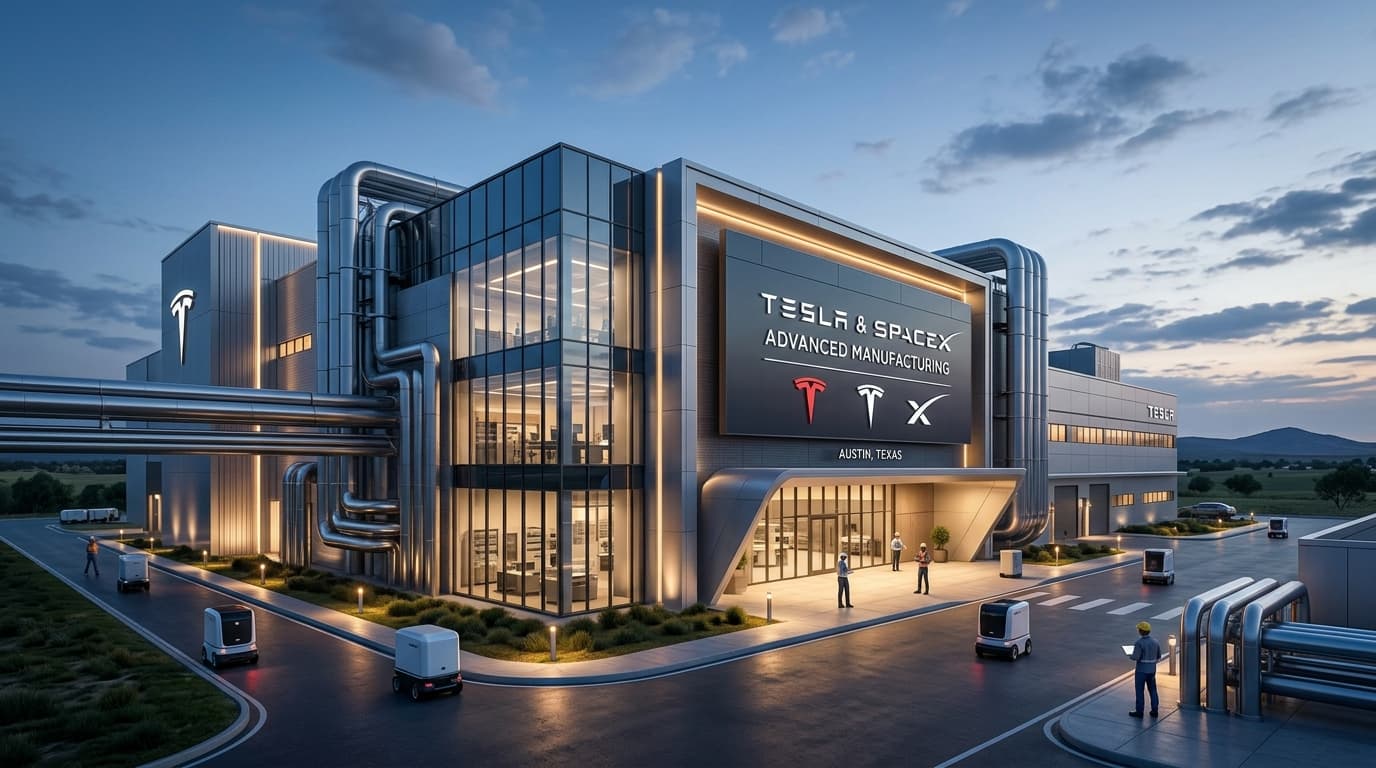
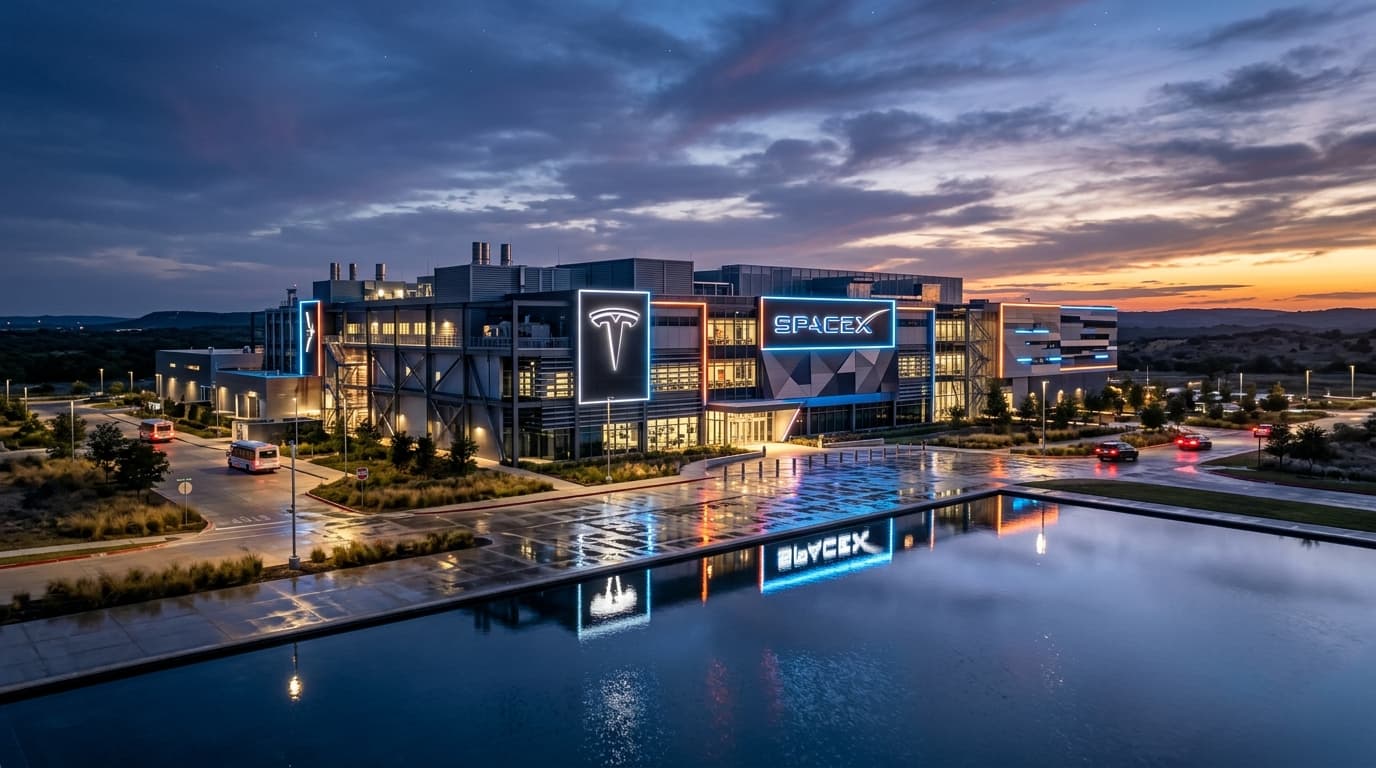
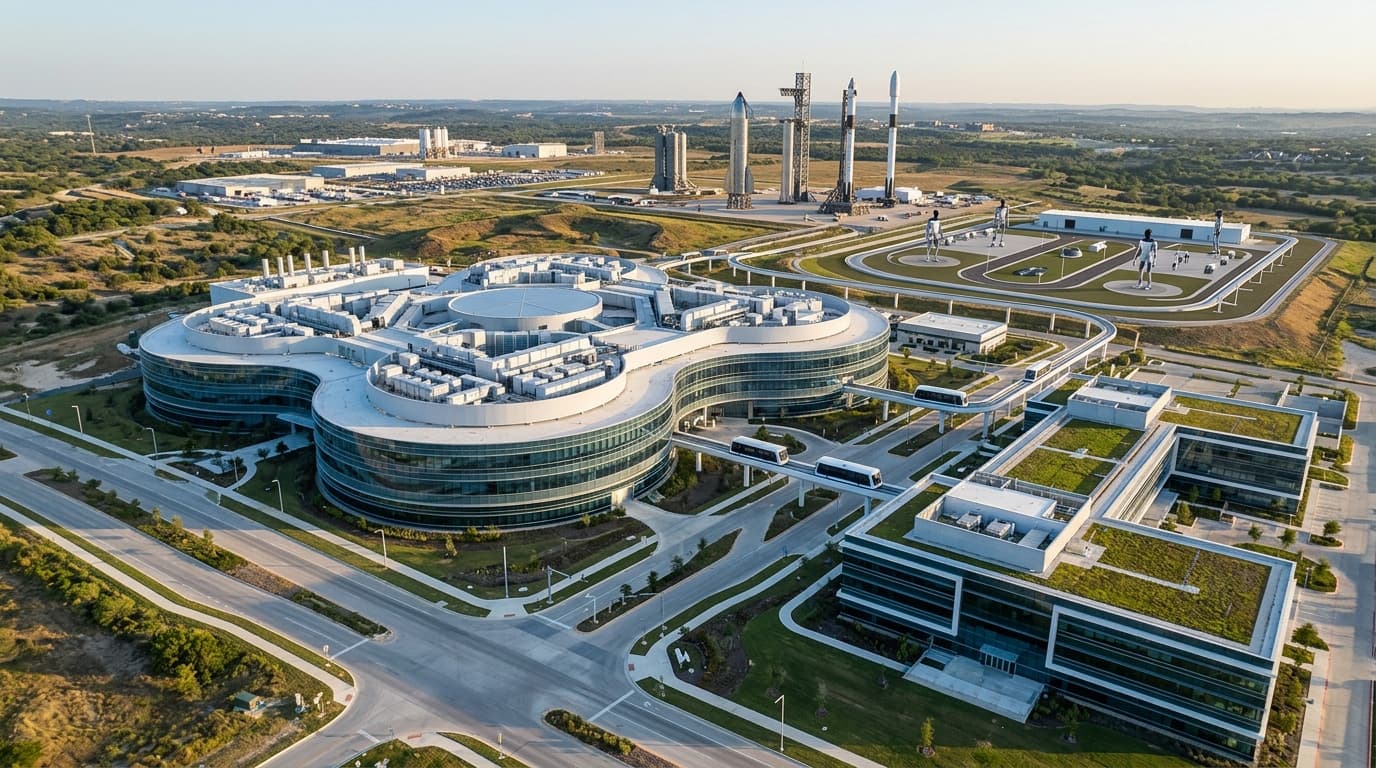
Elon Musk has announced the construction of a 'Terafab' chip plant in Austin, a joint venture between Tesla and SpaceX, aiming to produce chips at scale for AI, robotics, and aerospace infrastructure.
Elon Musk has unveiled the "Terafab" project, a joint semiconductor manufacturing facility in Austin, Texas, designed to supply chips for Tesla and SpaceX's AI and robotics hardware.
Elon Musk has unveiled plans for a joint chip-manufacturing facility in Austin, Texas, named 'Terafab,' aimed at scaling production for AI, robotics, and space-based data centers.
Elon Musk has unveiled 'Terafab,' a joint Tesla and SpaceX facility in Austin, Texas, aimed at scaling the production of proprietary AI and robotics chips.
Elon Musk has announced plans to build a 'Terafab' chip manufacturing plant in Austin, Texas, to vertically integrate chip production for Tesla and SpaceX's AI, robotics, and data center needs.
Elon Musk has announced plans to build 'Terafab,' a jointly operated Tesla and SpaceX chip manufacturing plant in Austin, Texas, aiming to scale AI and robotics production despite market skepticism.
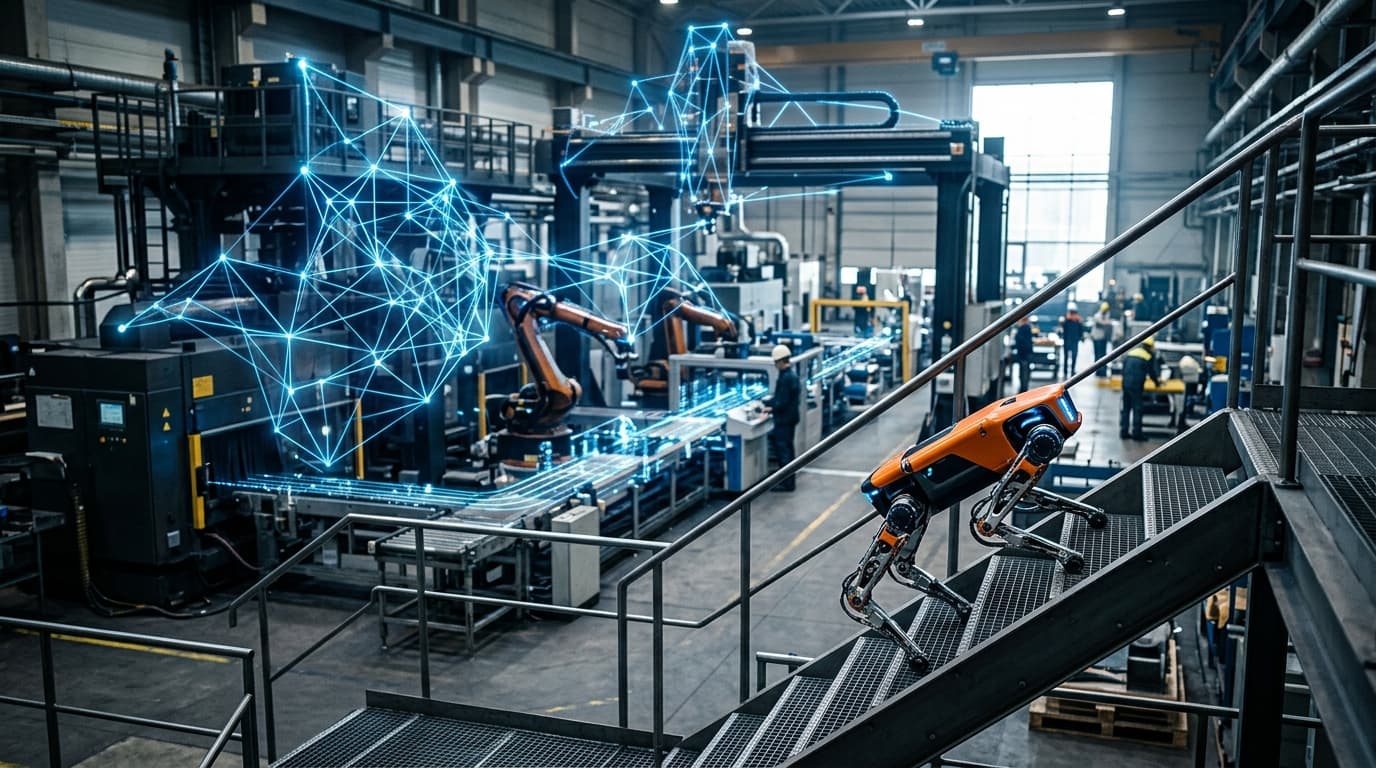
Jeff Bezos is reportedly pursuing a $100 billion fund to modernize manufacturing with AI, while Amazon has acquired Rivr, a developer of stair-climbing delivery robots. These moves signal a massive strategic push to integrate AI into physical-world applications and legacy industrial sectors.