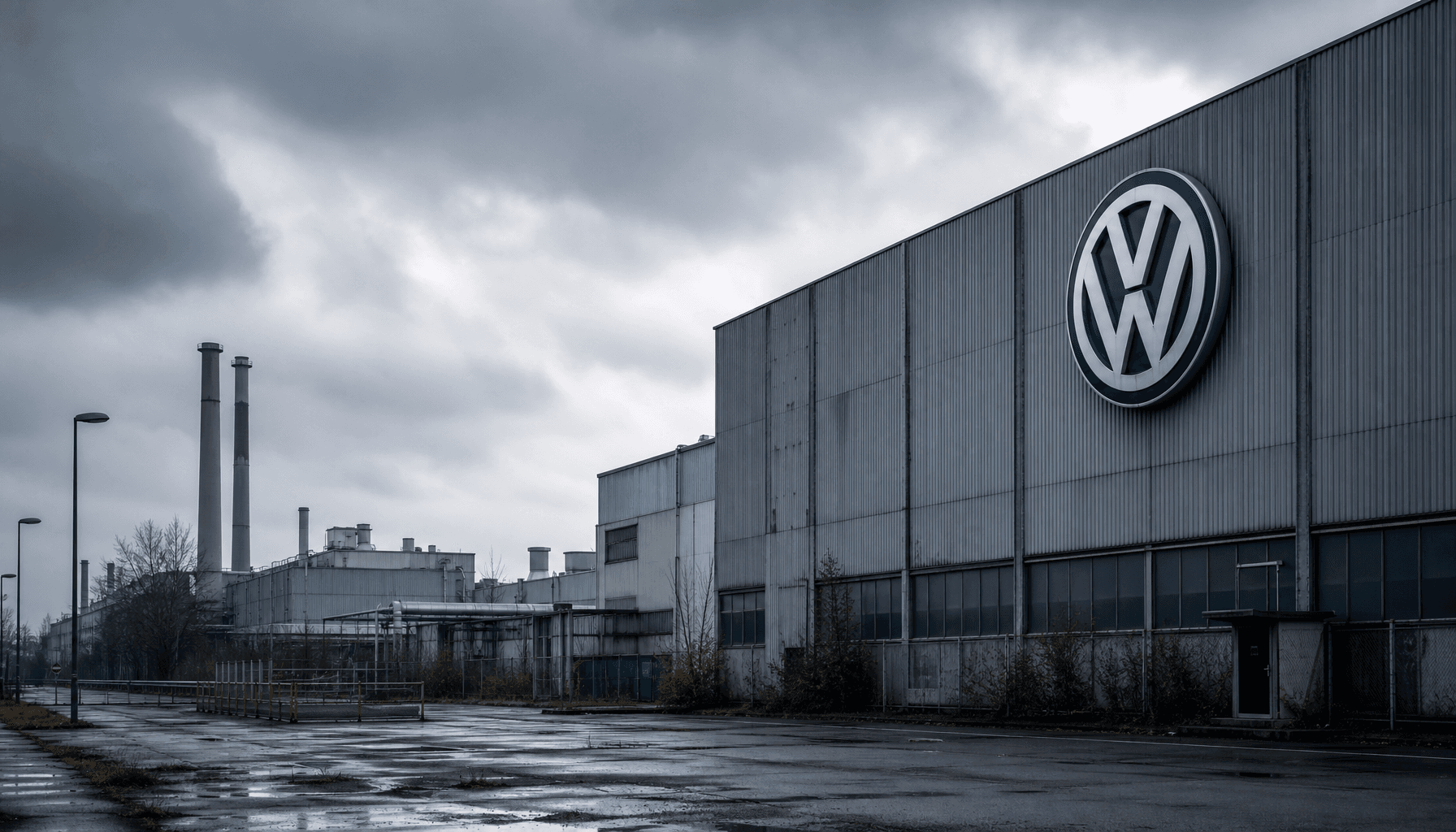
The Transformation Pains of a Traditional Auto Giant
German automotive giant Volkswagen has sent shockwaves through the industry after the CEO warned in an internal memo that the company may need to cut up to 50,000 jobs. The move is being driven by soaring operational costs and intense competition, particularly within the Chinese market. This restructuring plan highlights the immense financial and competitive pressures traditional combustion engine manufacturers face as they pivot toward Electric Vehicles (EVs).
Structural Factors Behind the Cuts
Volkswagen is currently grappling with a dual challenge: the massive capital and R&D investment required to transition to EVs, and the aggressive competition from domestic Chinese EV brands. In China, VW’s market share is under unprecedented pressure as low-cost, high-tech local competitors erode its traditional advantages. To maintain profitability, the company is being forced to implement aggressive cost-cutting measures, including streamlining its organizational structure and reducing its workforce.
Industry Impact and Workforce Implications
If implemented, this layoff plan would be one of the largest organizational shifts in Volkswagen's history. The news has sparked widespread debate across the automotive sector. According to Google Trends data, search interest for "Volkswagen layoffs" reached 92 in Germany and remained high across other European regions, reflecting that this is not merely an internal management issue but a symbol of the overall decline in competitiveness of the European automotive manufacturing sector.
Competitive Pressure and Market Position
Beyond cost pressures, Volkswagen's progress in Software-Defined Vehicles (SDV) has been questioned by investors. Compared to emerging EV manufacturers, Volkswagen lacks the agility in software development, leading to longer time-to-market for new products. Market analysts suggest that if the company cannot accelerate its software transformation, its competitiveness in the global market will continue to be threatened.
Labor Relations and Negotiation Outlook
Large-scale layoff plans typically face backlash from labor unions. The negotiations between Volkswagen's management and the Works Council will be a focal point for future observation. Under German legal frameworks, mass layoffs require complex negotiation processes, adding significant uncertainty to the company's transformation. Balancing financial profitability with labor rights will be the ultimate test for the CEO.
Future Outlook and Key Watchpoints
Looking ahead, Volkswagen will likely continue to streamline its supply chain and may seek more technological partnerships with tech companies to bridge its software gaps. Investors and labor groups will be closely watching the execution of these layoff plans and whether Volkswagen can successfully regain its lead in the EV race through structural reorganization. Volkswagen's struggle serves as an important microcosm of the transformation challenges facing the global traditional automotive manufacturing industry.