Policy Background: Trump's Protectionism and the Pharma Supply Chain
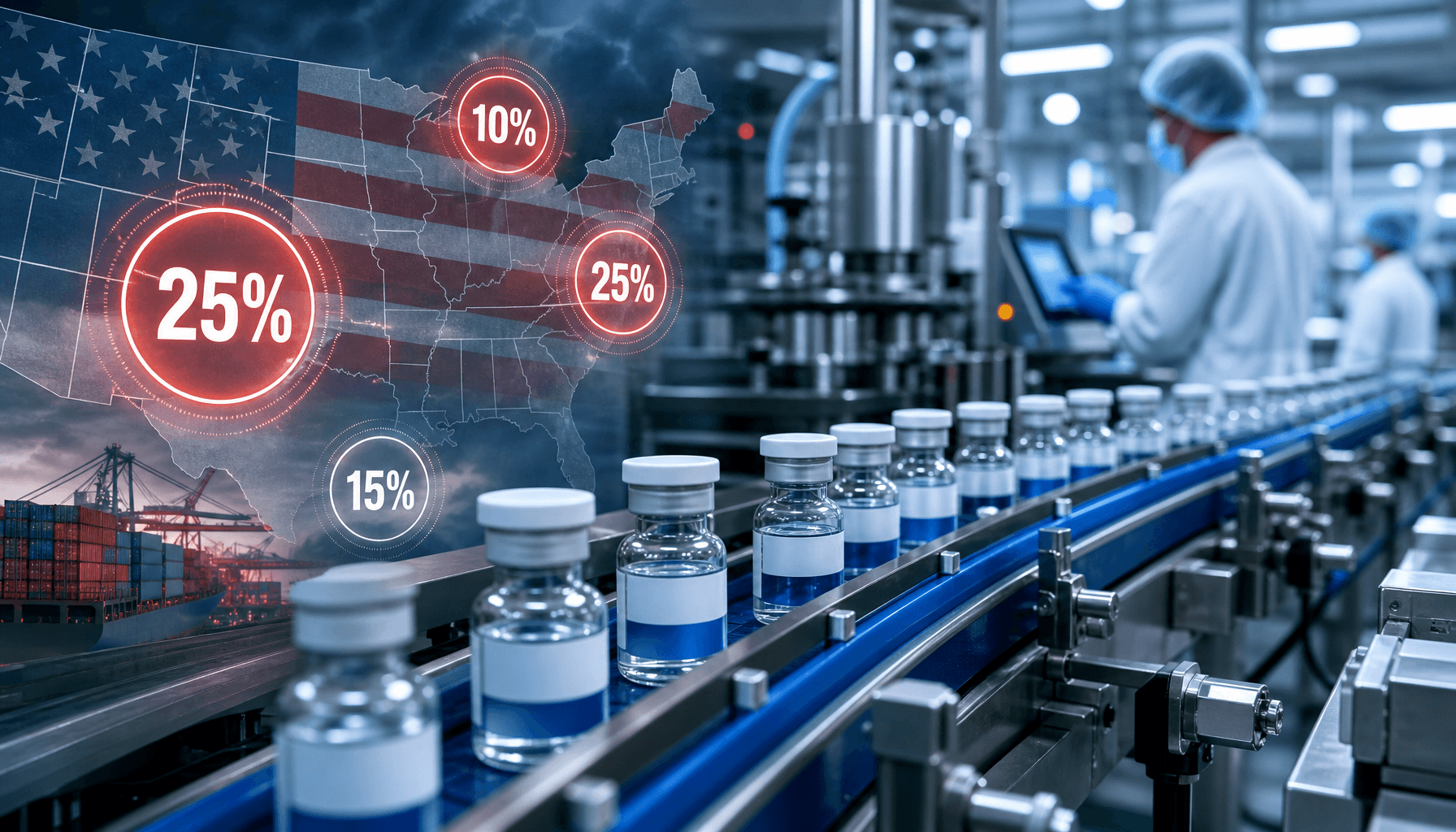
US President Donald Trump recently announced a controversial trade policy, proposing a phased tariff escalation on imported generic drugs. According to the policy outline, tariffs will remain at 0% for the first year, followed by a 100% levy in 2027 and reaching 200% by 2028. The stated goal is to force pharmaceutical manufacturers to relocate production facilities to the United States to ensure supply chain security. The policy draws on Section 301 of the Trade Act of 1974, which allows for retaliatory actions against foreign trade practices deemed unreasonable or discriminatory, and the International Emergency Economic Powers Act (IEEPA) if a national emergency is declared.
Market Volatility and Supply Chain Risks
The pharmaceutical industry reacted with immediate alarm. Indian pharmaceutical firms, which are primary suppliers to the US market, saw their stock prices decline sharply, with companies like Sun Pharma, Zydus, Cipla, Dr. Reddy's, and Lupin facing heavy selling pressure. Analysts note that India's cost advantage has sustained its dominance in the US generic market for years. A 200% tariff would not only significantly increase drug costs for American patients but could also trigger severe supply chain disruptions. Swiss-based Sandoz has already pledged to engage with US policymakers to mitigate the potential fallout.
Legal and Regulatory Challenges
Legally, the proposed tariffs face significant hurdles. The policy likely violates World Trade Organization (WTO) rules regarding non-discrimination and bound tariff rates, making the US vulnerable to international litigation. Domestically, pharmaceutical lobbyists are assessing the impact on public health budgets. If the US cannot rapidly establish sufficient domestic manufacturing capacity, a drug shortage crisis may become inevitable, forming the core of the opposition's argument against the tariff regime.
Search Trends and Industry Impact
According to Google Trends data, the search interest for "Generic Drug Tariffs" in the United States reached a score of 85 over the past week, while in major pharmaceutical hubs in India, such as Hyderabad and Mumbai, the score reached 92. This surge reflects the high level of anxiety surrounding the policy. Investors are closely watching to see if pharma firms will abandon their current outsourcing models in favor of direct US investment, despite the prohibitive operational costs involved.
Future Outlook
The next two years will be critical. As the 2027 deadline for the 100% tariff approaches, manufacturers will be forced to choose between maintaining current profit models and significantly increasing capital expenditure to build US-based plants. Key developments to watch include potential exemptions for critical medicines and whether Congress will intervene to prevent price spikes. The global pharmaceutical supply chain is currently facing its most significant transformation in decades.