The Physical Turn: From Predictive to Simulative Intelligence
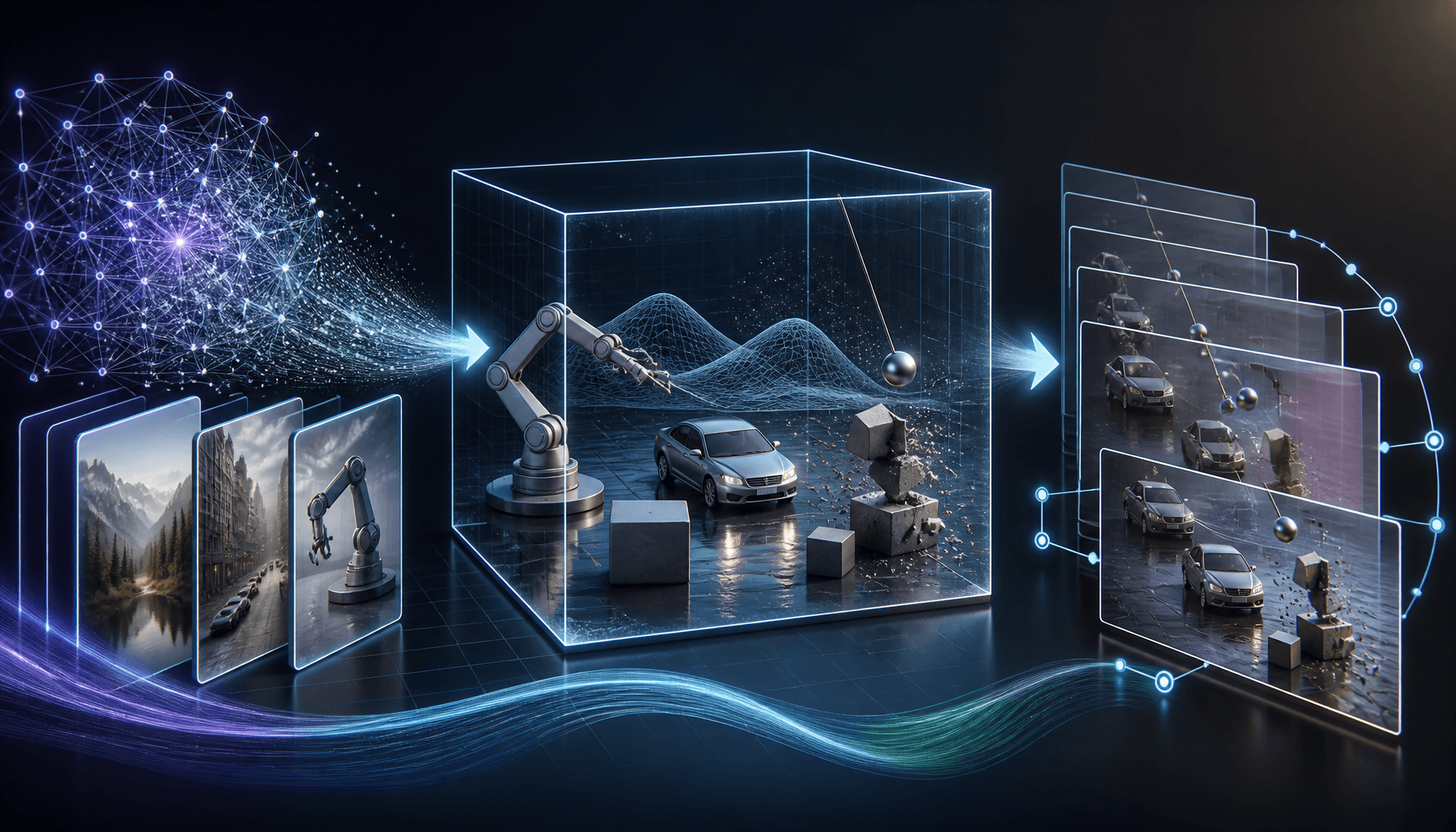
As of August 2026, artificial intelligence is undergoing a profound paradigm shift. The focus has moved beyond what models can "predict" to how they can "simulate" the dynamics of our world. This evolution is not merely an AI trend; it is a convergence with neuroscience and biophysics that is redefining what it means for a machine to be intelligent.
Structural Generation: Moving Beyond Pixels
Traditional generative models often treat images as flat arrays of pixels. However, emerging research like UniWorld-Design and GeoMAR demonstrates that true intelligence requires understanding the "composition" of reality. By decomposing vision tasks into semantic RGBA layers, models are no longer learning mere statistical distributions of pixels; they are internalizing the logic of human design. This structural approach allows models to treat visual content as editable, instruction-addressable entities, significantly enhancing their utility in complex, real-world tasks.
Learning Through Failure: The Era of Recursive Self-Improvement
In the realm of agentic AI, research such as PAST-Bench and ReflectRL reveals a crucial truth: intelligence is refined by deep reflection on failure. By treating the failed trajectories of expert models as "Golden Negative Trajectories," agents can derive valuable reasoning signals that were previously discarded. This mechanism of "reflective-to-direct reasoning" is the cornerstone of recursive self-improvement. It empowers agents to not just be "smarter," but to develop genuine resilience when integrated with complex tool-use workflows.
Neuroscience and AI Convergence: The Embedded Agent
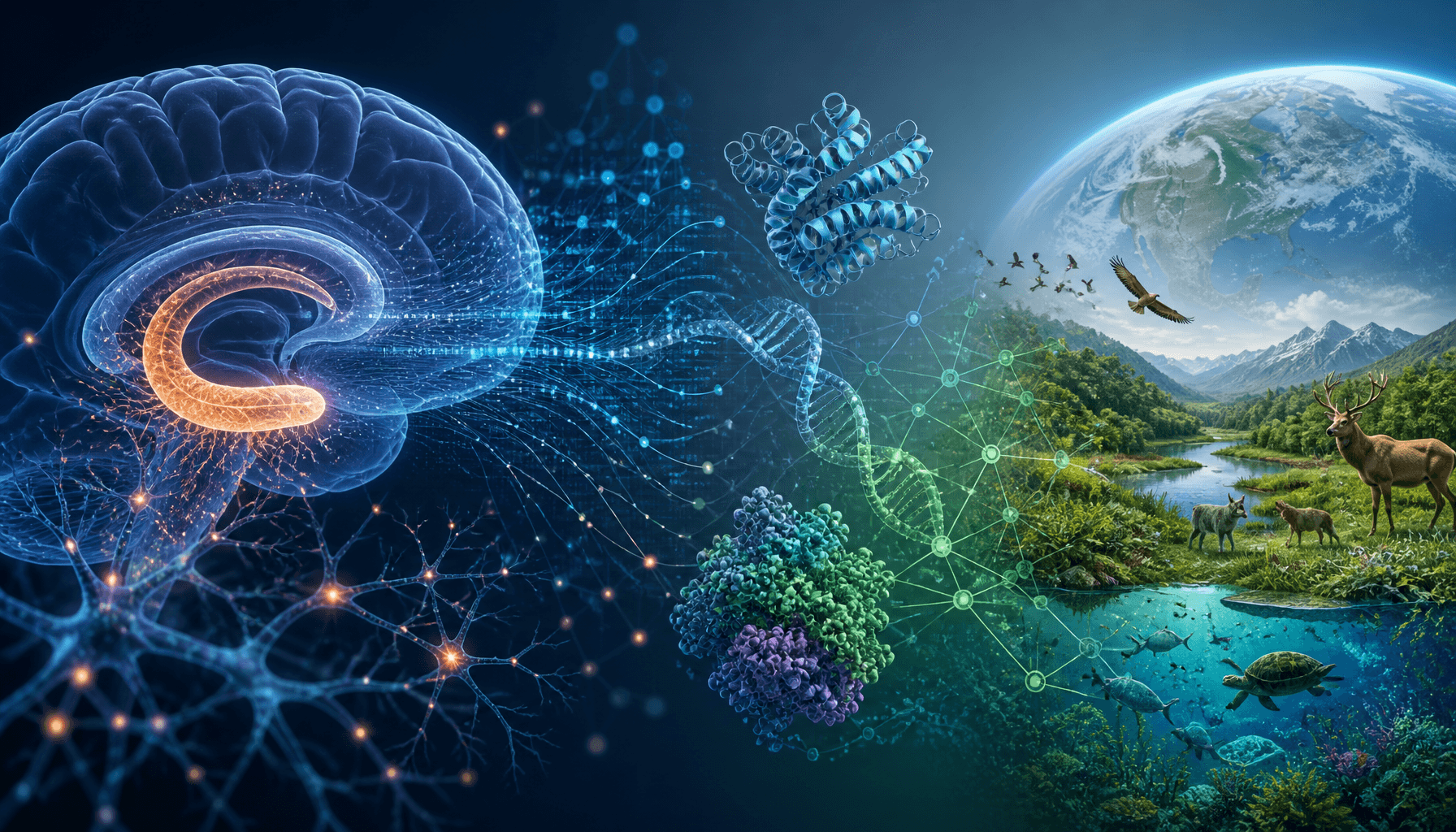
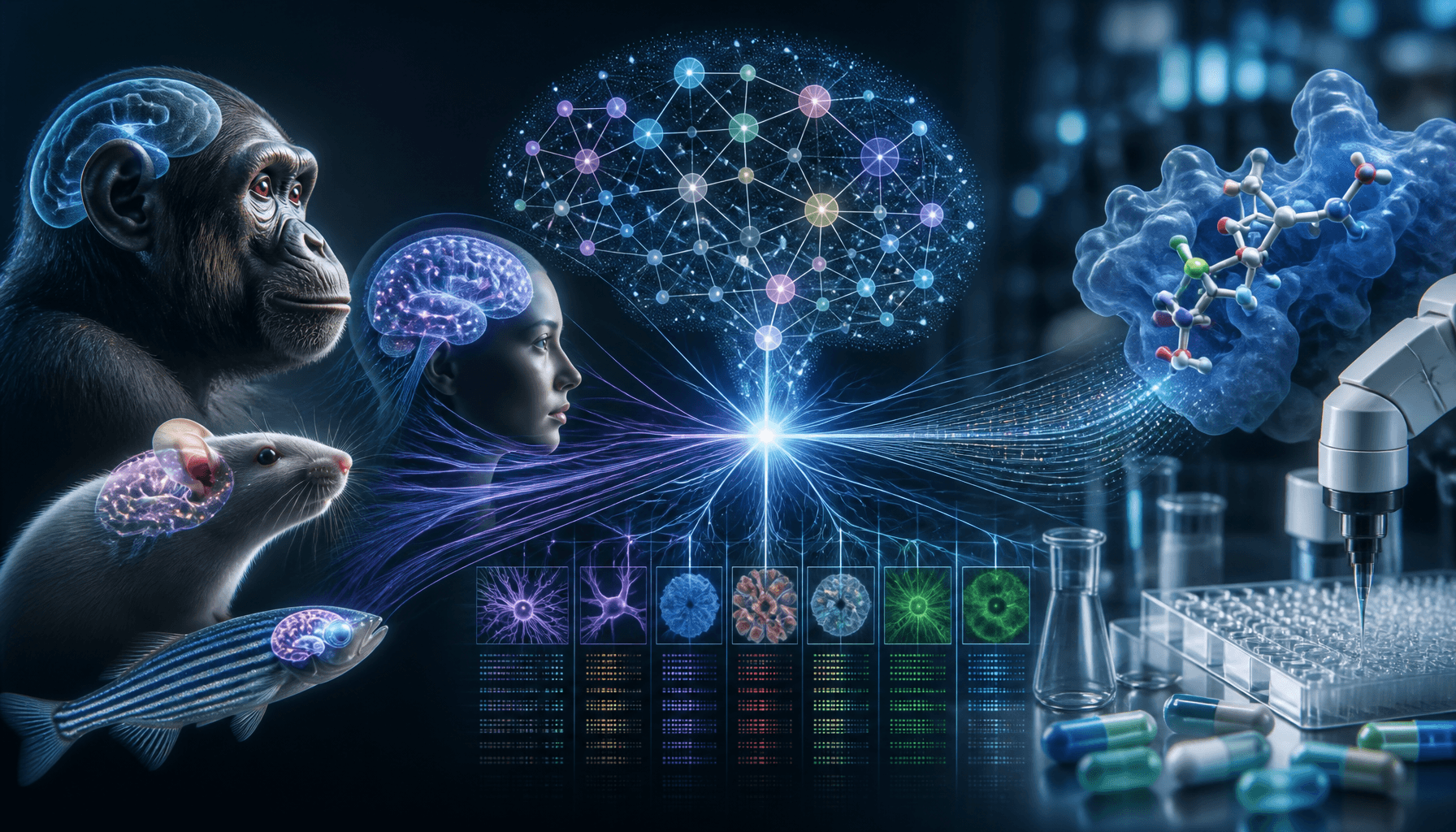
Perhaps the most striking development is the emergence of the "Embedded Bayesian Agent" theory. When AI agents stop viewing themselves as isolated predictors and start modeling themselves as part of the environment, cooperative behavior emerges as an optimal strategy. This mirrors findings in neuroscience, where a "shared cortical manifold" links sensory error to motor planning. This suggests that the next generation of AGI architectures must possess this capacity for cross-modal, physical coupling—treating the model as a situated, state-aware component of the universe it navigates.
Conclusion: Towards Verifiable Intelligence
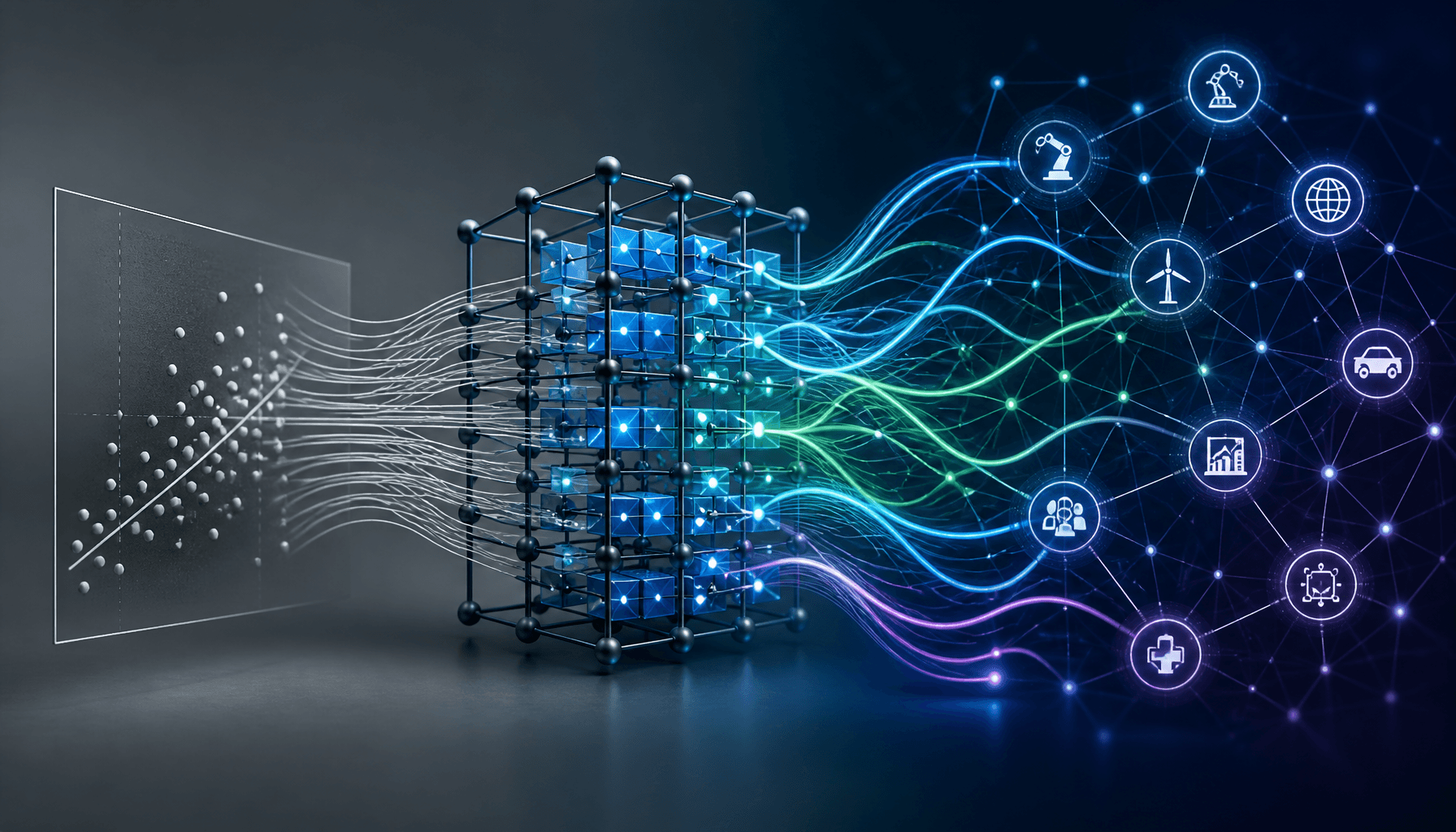
We are transitioning from "generative" intelligence to "verifiable" intelligence. Whether through logic-based pre-pretraining (Logic-PPT) that reorganizes the internal representation space or physics-flavored neural networks (PFNN) that parse the kinetic dynamics of engineered tissues, AI is becoming more precise and grounded. Future AI systems will not be mere statistical parrots; they will be dynamic entities precisely mapped to the physical laws, biological rhythms, and societal logic of the world they inhabit.