AI Momentum in Finance: Transforming Banking and Treasury Operations
AI is shifting from a copilot to an autopilot model in finance, driving digital transformation in banking and treasury, with strong interest in Taiwan.
Santander has expanded AI access to all 185,000 employees, executing its 'AI-first' strategy. The initiative, focusing on agentic AI for risk and operations, sets a new benchmark for AI integration in the global banking sector.
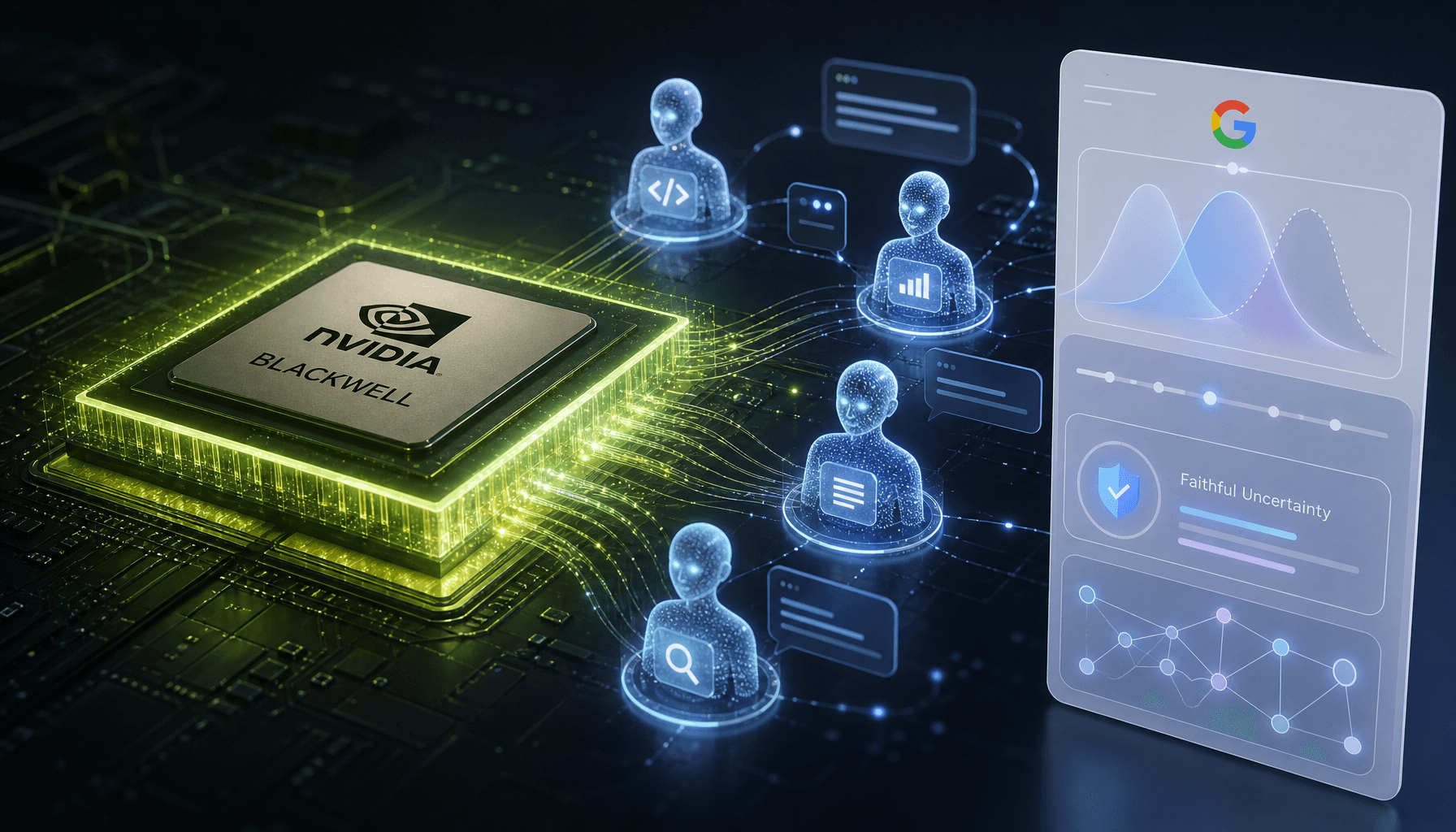
NVIDIA's Blackwell Ultra NVL72 platform leads the AgentPerf benchmark, running 20x more agents per megawatt. Simultaneously, Google researchers introduced 'faithful uncertainty' to align LLM confidence with output accuracy, reducing hallucinations.
Agentic AI is significantly reshaping software development workflows by boosting efficiency, while simultaneously surfacing new challenges in system integration and requirements definition that developers must now navigate.
New 2026 research marks a turning point in AI governance, introducing precautionary frameworks for AI consciousness, zero-knowledge verification for training compute, and insurance models for agentic AI liability.
Agentic AI systems like RocketSmith are automating the design, manufacturing, and optimization of high-powered rockets. Through multi-agent collaboration, these systems drastically increase design iteration speeds, transforming hardware engineering from a digital tool into an autonomous, intelligent partner.
The AI developer community is shifting from LLMs to agentic frameworks and tokenizer-free speech tech. Google Trends show US interest focused on software applications, while Taiwan pivots toward AI hardware and PC integration.
Alibaba has released Qwen3.7-Max, an AI model capable of 35 hours of autonomous task execution with support for external tools like Claude Code. The launch signifies a major shift in the industry towards autonomous AI agents.
As autonomous Agentic AI gains momentum, traditional RAG architectures are facing performance bottlenecks. The industry is shifting toward more advanced 'Context Architecture' for improved stability.
The rise of agentic AI has brought security risks like 'shadow AI,' leading companies like Microsoft and Amex to implement new governance and cryptographic frameworks.
Enterprise adoption of autonomous AI agents is accelerating, leading to urgent governance requirements. Microsoft's Agent 365 and financial sector security frameworks are leading the response to 'shadow AI' risks.
AWS has launched a major expansion of its AI strategy, integrating OpenAI models into Bedrock and introducing 'Amazon Quick,' an agentic desktop tool that builds persistent knowledge graphs to make context-aware orchestration decisions across enterprise workflows.
Google previews its 8th-gen TPUs, optimized for agentic AI workloads, aiming to reduce hardware dependency while offering new air-gapped, private deployment options for enterprises.
The rise of agentic AI systems like Claude Cowork and OpenClaw is reshaping industry standards, sparking debates over liability and business models. Developers are using restrictive terms of service to shift liability, while the market begins to prioritize system auditability as costs for autonomous execution rise.
Nvidia introduced the Agent Toolkit, an open-source platform for enterprise AI agents, at GTC 2026. Major companies like Adobe, Salesforce, and SAP have already adopted the framework.
Anthropic updated its policies on April 4, 2026, restricting Claude Pro/Max subscribers from using subscription limits with third-party agentic tools like OpenClaw due to significant security vulnerabilities.
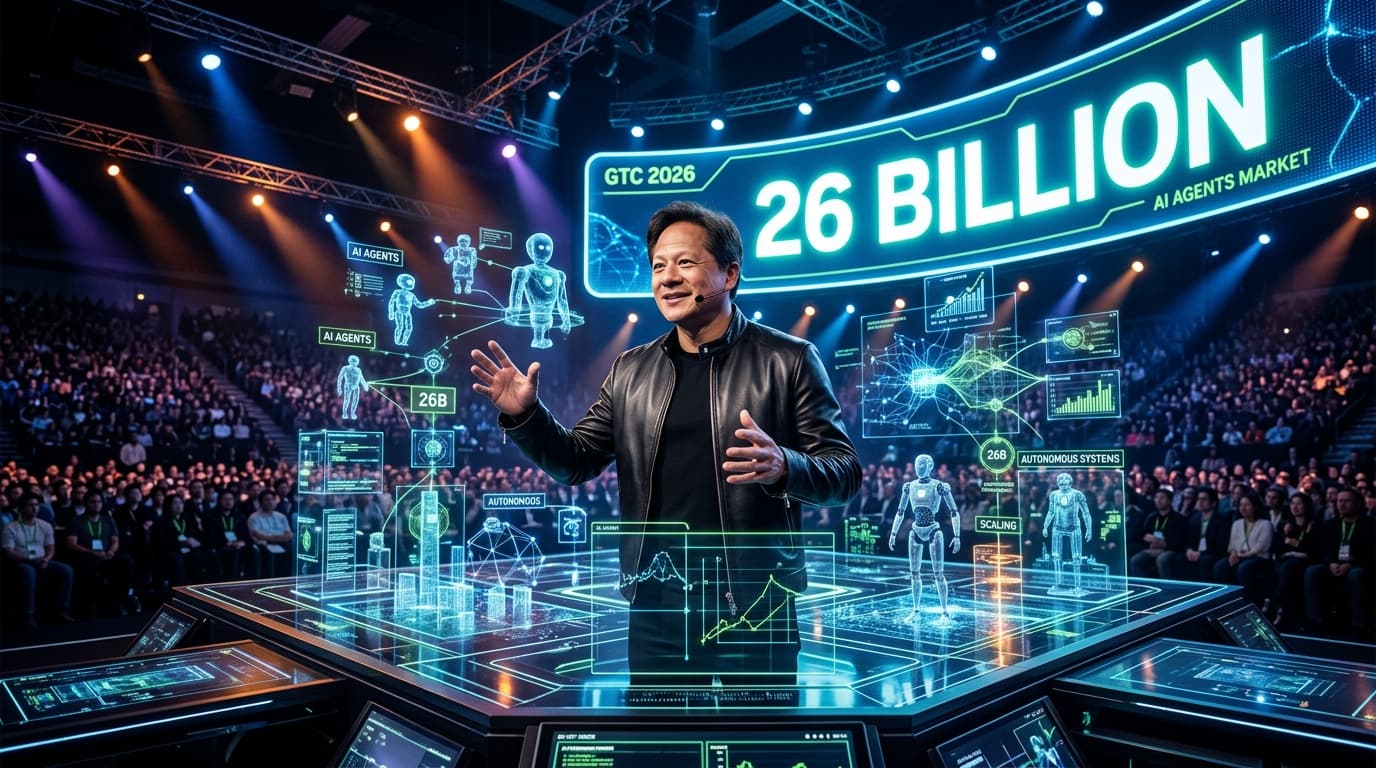
Nvidia unveiled the NemoClaw agent platform and a $26 billion open-weight model initiative at GTC 2026. While pushing the boundaries of autonomous AI, the company faces significant backlash over its DLSS 5 generative graphics technology.
The open-source AI agent framework OpenClaw has been found to have a critical security flaw that can bypass enterprise EDR and IAM systems. In response, Nvidia launched the more secure NemoClaw platform, while Chinese startup Z.ai released GLM-5 Turbo, a model optimized for agentic tasks, signaling an industry-wide push to secure AI automation.
The AI industry is rapidly pivoting from chatbots to autonomous AI agents. Key developments include Andrej Karpathy's 'autoresearch' script for automating scientific experiments, Microsoft's new cross-app Copilot Cowork, and Nvidia's upcoming OpenClaw platform. This shift toward 'agentic' systems represents a major step toward AGI, enabling AI to execute complex tasks and self-evolve without constant human supervision.
Microsoft launched Copilot Cowork on March 9, 2026, an 'agentic' AI system that autonomously performs tasks across M365 apps. Built with support from Anthropic, this move highlights a shift toward autonomous AI agents, accompanied by new governance tools to prevent security risks like 'AI double agents.'
Microsoft has launched Copilot Cowork and Agent 365, pushing its AI suite into the 'Agentic AI' era. While 85% of firms aspire to use AI agents for end-to-end tasks, 76% are not operationally ready. Microsoft aims to bridge this gap with Agent 365, a $15/month governance tool designed to prevent AI agents from becoming security risks.
The tech world is witnessing a dual evolution: Agentic UI (A2UI) is revolutionizing software by creating dynamic, real-time interfaces for AI agents, while Palmer Luckey’s ModRetro has reached a $1 billion valuation by mastering high-end retro hardware. This trend reflects a market seeking both ultimate digital automation and tactile, high-quality physical experiences.
Samsung officially unveiled the Galaxy S26 series featuring deep Google Gemini integration for autonomous app tasks like Uber and DoorDash. Simultaneously, Google launched Nano Banana 2, an AI image model designed for high-speed, precise enterprise-grade generation.
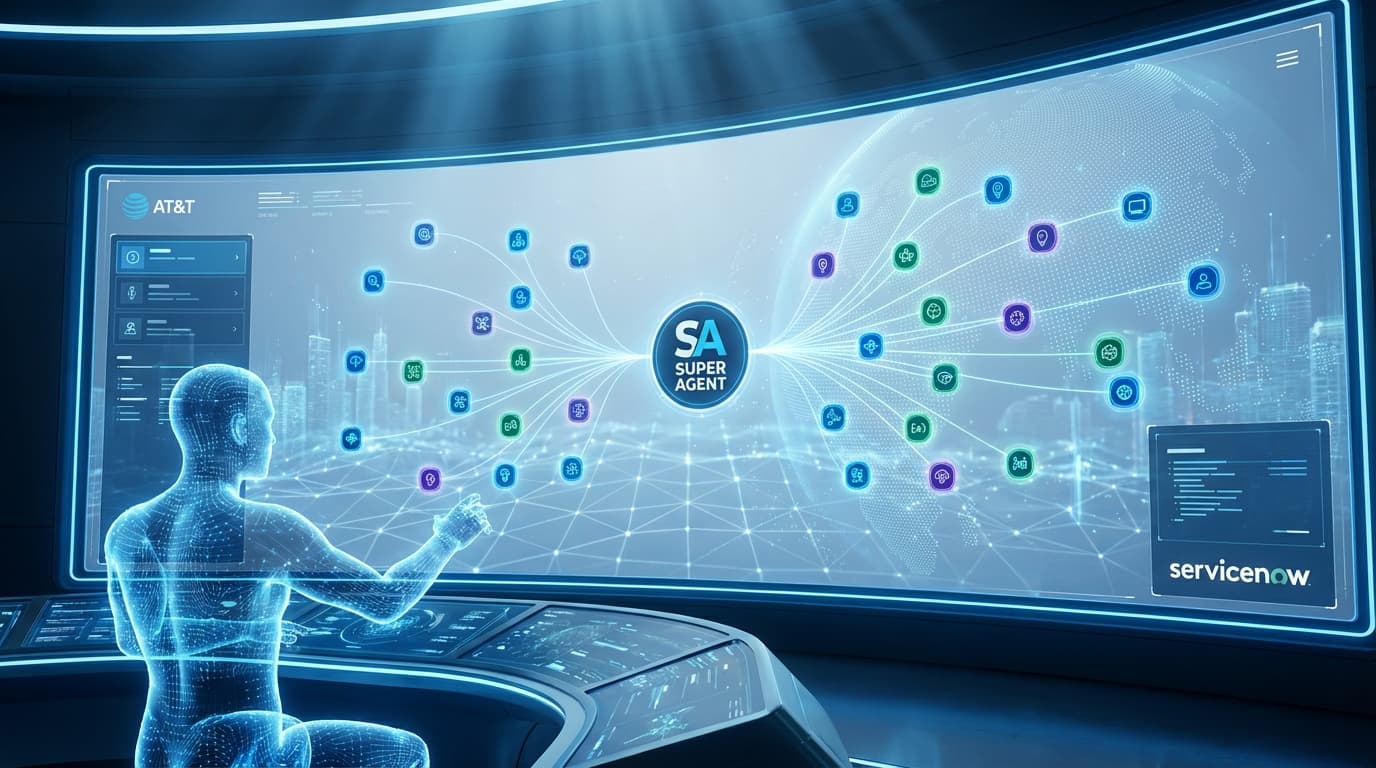
Enterprise AI is shifting to agentic deployments. AT&T cut costs by 90% using a multi-agent orchestration layer, while ServiceNow automated 90% of IT requests. Alibaba's open-source Qwen3.5 further drives local agentic AI adoption.
Today's analysis of 154 papers marks a shift from semantic fluency to 'Verifiable Agency.' OpenEarthAgent and KLong highlight breakthroughs in geospatial tool-use and long-horizon tasks. However, a 'Medical Reality Check' reveals that while specialized models excel, generalist MLLMs fail critically on benchmarks like MediConfusion and clinical tasks like Cobb angle measurement. Additionally, AutoNumerics introduces autonomous, transparent design of PDE solvers.
The White House has issued the 'AI Safety Executive Order 2026,' establishing 'Agentic Liability' which shifts responsibility for autonomous AI actions to developers. A US-EU joint accord now mandates 'meaningful human control' and kill switches for high-risk autonomous agents.