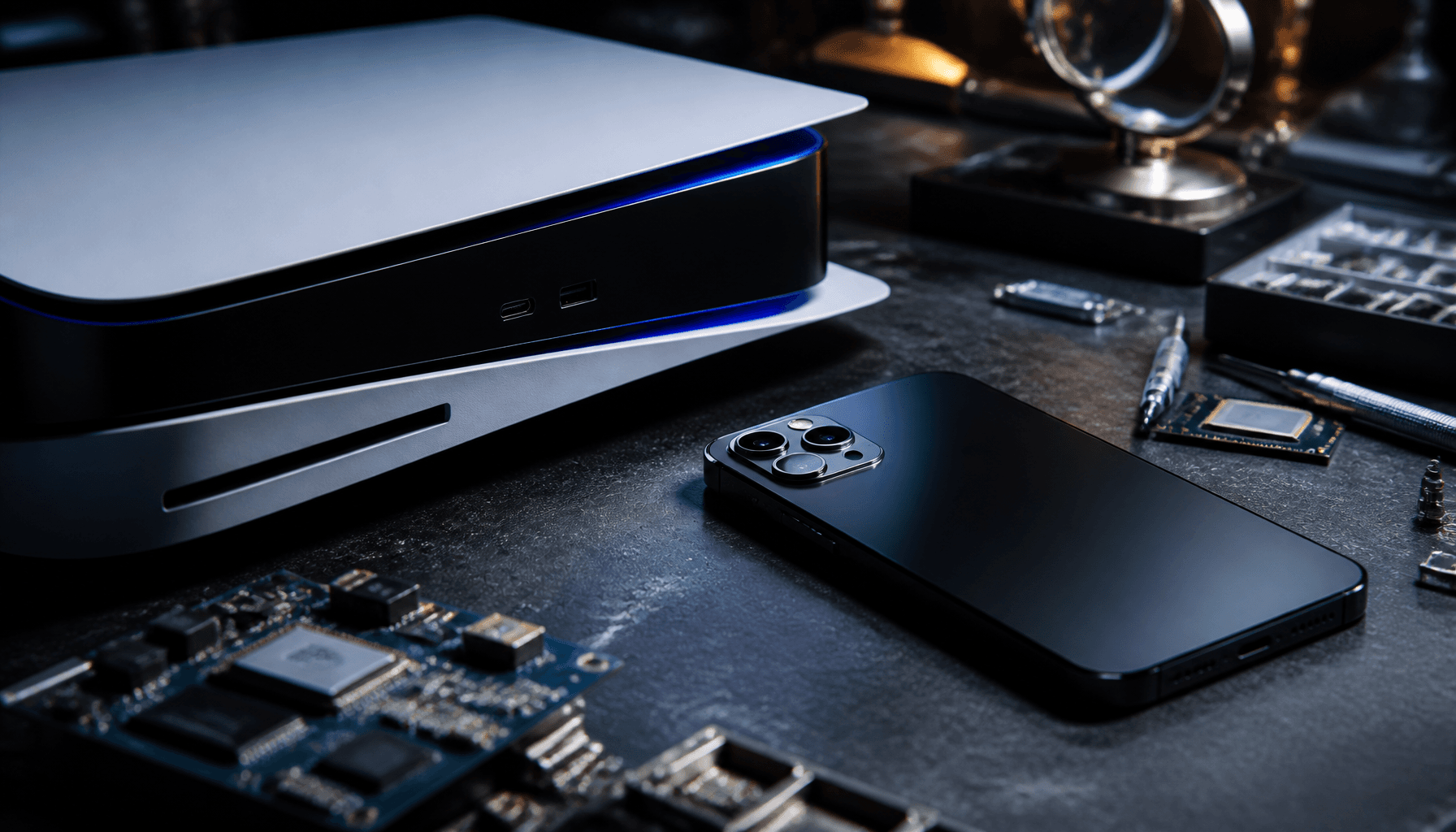
The Volatility and Pricing Challenges of Hardware
The consumer technology sector is currently navigating a period of significant fluctuation, characterized by a series of leaks and strategic pricing shifts. From the leaked specifications of the upcoming Google Pixel 11 to the substantial price hikes for Xbox consoles, these developments underscore the challenges global hardware manufacturers face in managing supply chain costs and integrating next-generation chip technology. The "RAMageddon" effect—a shorthand for the instability in memory pricing and supply—has become a central topic of discussion, impacting the future design and pricing of mobile devices.
Pixel 11: Technical Specs and Market Expectations
Recent leaks regarding Google's upcoming Pixel 11 suggest significant upgrades in memory configuration and processing efficiency, specifically designed to handle the growing demands of on-device AI operations. However, these technical advancements are coupled with adjustments to pricing strategies. While Google historically maintains a balance between innovation and consumer-friendly pricing, market reports indicate that rising component costs are making it increasingly challenging to sustain legacy price points for flagship models.
The Gaming Console Price Shock
Parallel to mobile developments, the gaming hardware industry is confronting a severe pricing reality. Xbox has announced price increases for its consoles by up to €200 or £170 in certain markets. This move is a direct response to global inflationary pressures and the rising cost of essential electronic components. For the gaming community, this represents a significant financial hurdle, sparking widespread debates regarding the sustainability of current business models and the future of market penetration in the gaming sector.
HP's Market Positioning for HyperX Omen 15
In the laptop segment, HP's HyperX Omen 15 has garnered significant attention. While the product line has traditionally been recognized for its cost-effectiveness, recent reviews indicate that the latest iteration is moving away from its budget-friendly roots. With the integration of next-generation components like the RTX 5050, performance has undoubtedly improved, but the shift in product positioning may alienate consumers who prioritize value-per-dollar, potentially affecting the series' market share.
Industrial Impact and Search Trends
According to Google Trends data, search interest regarding "Pixel 11" and "Xbox price" has seen exponential growth over the past week. In the United States, interest scores reached 92, while in Taiwan, the figure stood at 68, highlighting the high sensitivity of global consumers to fluctuations in tech product pricing. These metrics confirm that the consumer electronics industry is currently in a sensitive phase of price reassessment.
Future Outlook and Key Metrics
Looking ahead, both investors and consumers must closely monitor how hardware manufacturers navigate ongoing component cost pressures. As AI technology becomes further integrated into edge devices, the tension between hardware specifications and retail pricing will likely intensify. Consumers are advised to conduct rigorous cost-benefit analyses before committing to high-end hardware and to monitor manufacturer announcements regarding long-term pricing strategies at upcoming product launches.