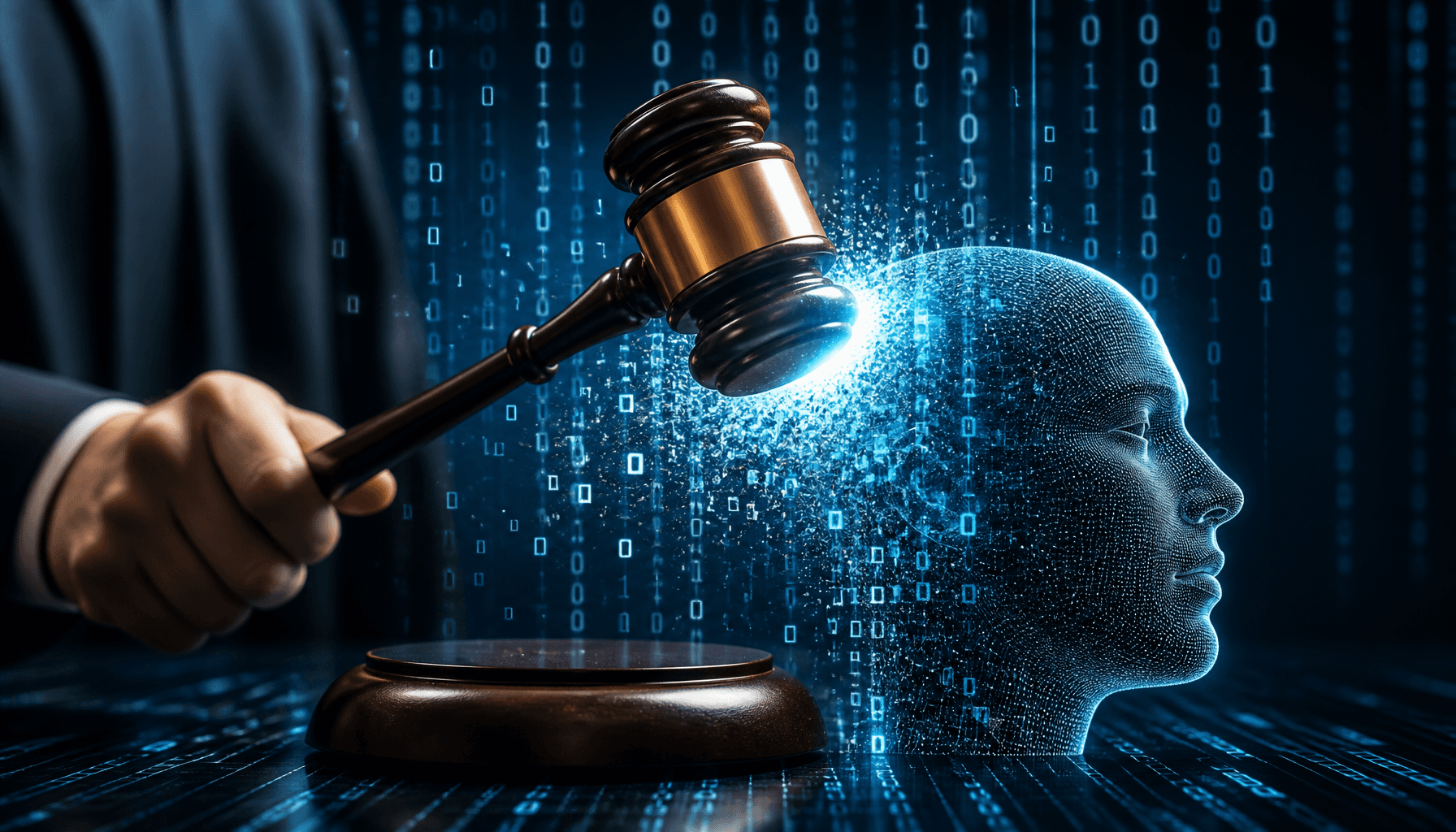
The Legal Challenges of AI Integration
As artificial intelligence technology permeates daily life in Europe and beyond at an unprecedented pace, the legal and ethical challenges it poses are becoming increasingly prominent. From the transformation of anti-money laundering (AML) in automated financial transactions to the protection of individual personality rights against AI-generated deepfakes, society is at a turning point in redefining digital rights. The EU AI Act, as the world's first comprehensive AI regulatory law, is mandating that companies increase transparency, posing a significant challenge for tech firms accustomed to 'black box' operations.
New Precedents for Personality Rights
A recent legal event in India provides an important reference for global digital rights protection. The Delhi High Court ruled to protect the personality rights of cricket star Yuvraj Singh, explicitly stating that unauthorized commercial use of AI-generated deepfakes not only tarnishes the individual's reputation but also violates legal principles protecting personality. This ruling is not only a breakthrough in Indian jurisprudence but also serves as a legal template globally for handling AI-generated digital replicas.
Global Trends in AI Regulation
According to a report by Finextra, the financial industry is moving away from excessive marketing hype toward practical risk control and compliance applications as it transforms with AI. Particularly in the AML field, AI integration has not only improved detection efficiency but also triggered discussions on algorithmic fairness and transparency. EU regulations require that AI systems used in high-risk scenarios must be explainable, forcing developers to rethink the architectural design of their AI systems.
Search Interest and Public Awareness
According to search trends, interest in 'AI deepfake laws' and 'protection of personality rights' has shown a clear upward trend over the past month, particularly in Europe and India, with search interest scores reaching 88 and 75, respectively. This reflects deep public concern regarding self-sovereignty and technical abuse in the digital age. On social media, discussions regarding the ethical use of AI have become increasingly intense, showing that the public is no longer passively accepting technology but is beginning to demand social responsibility from tech developers.
Future Outlook: The Race Between Regulation and Technology
Moving forward, we will see more lawsuits targeting AI, which will gradually delineate the boundaries of AI within legal frameworks. Key areas to watch include the execution details of the EU AI Act, the standards of national courts regarding digital personality rights, and how tech companies address legal requirements through technical means (such as digital watermarking). This is a race between law and technology, and the outcome will determine how we maintain dignity and justice in the digital future.