The Carbon Neutrality Challenge in Construction
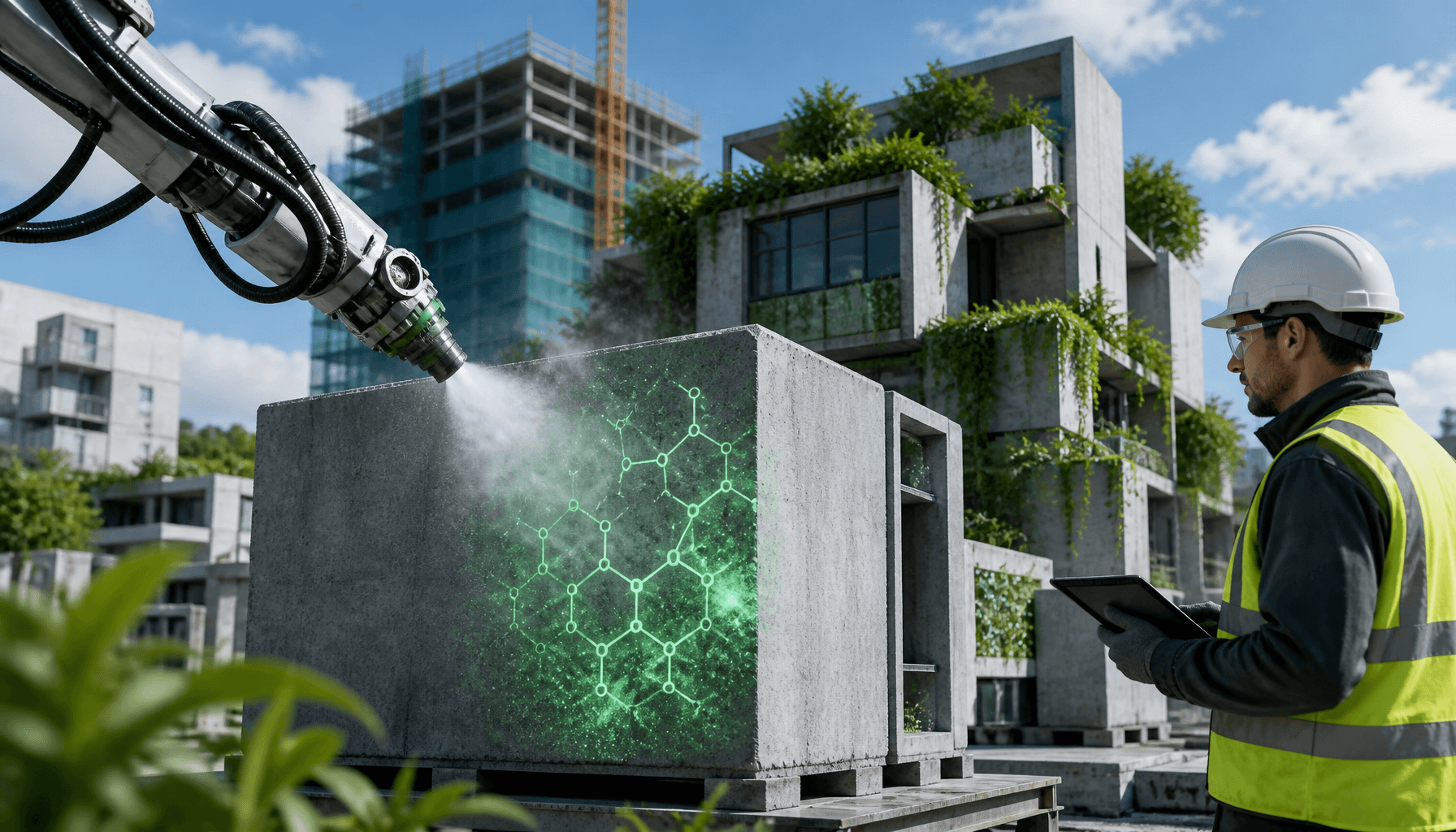
The global construction industry is currently undergoing a pivotal transformation, with the imperative to decarbonize driving significant innovation in materials science. Research indicates that the production of cement and concrete is responsible for a substantial share of global carbon emissions. To align with global sustainability goals, the industry is actively exploring technologies that convert carbon dioxide into viable construction materials. A focal point of this research is the mineralization process, which allows for the permanent sequestration of CO2 within concrete structures, thereby reducing the carbon footprint while simultaneously enhancing material durability.
International Collaboration and Technical Symposiums
Recently, RILEM (The International Union of Laboratories and Experts in Construction Materials, Systems and Structures) has organized a series of international conferences and workshops, including the "CO2STO2027: International Workshop on CO2 Storage in Concrete" and "CM² 2026: 1st International Conference on Circular and Marine Construction Materials." These events have convened leading global scientists to delve into the hydration mechanisms and characterization of Low-Carbon Cements (LCC). These academic endeavors provide a critical technical blueprint for the industry, accelerating the transition from laboratory research to large-scale industrial applications.
Scientific Evidence and Research Findings
According to research published in PubMed, strategies for carbon capture, storage, and reduction within the built environment are demonstrating high levels of technical feasibility. The research highlights that integrating CO2 mineralization into concrete formulations not only effectively sequesters greenhouse gases but also improves early-stage concrete strength. This data provides robust scientific support for the promotion of low-carbon alternatives, reducing the construction sector's reliance on traditional, high-carbon-intensive cement production.
Industrial Impact and Search Trends
According to Google Trends data, search interest in "sustainable construction materials" and "low-carbon concrete" has shown a steady increase over the past six months. In California, the interest score reached 85, while in Taiwan, the figure stood at 62. This trend illustrates that the concept of green building is successfully transitioning from academic discourse to commercial and policy-making arenas, becoming a central pillar of global urban development strategy.
Future Outlook and Key Metrics
Looking ahead, the green transformation of the construction sector will depend heavily on cross-disciplinary collaboration and robust policy support. Investors and developers are advised to closely monitor emerging international regulations regarding carbon taxes and incentives for eco-friendly building materials. As the commercialization of CO2 sequestration technology accelerates, companies that lead in the adoption of low-carbon materials will likely secure a significant competitive advantage. Key metrics to watch include the progress of technical standardization from upcoming workshops and the adoption rate of sustainable materials in large-scale infrastructure projects.