Climate Warning: Strong El Niño May Breach the 2°C Threshold by 2027
Researchers warn that a strong El Niño pattern could push global temperatures beyond the critical 2°C threshold as early as 2027, underscoring increasing climate risks.
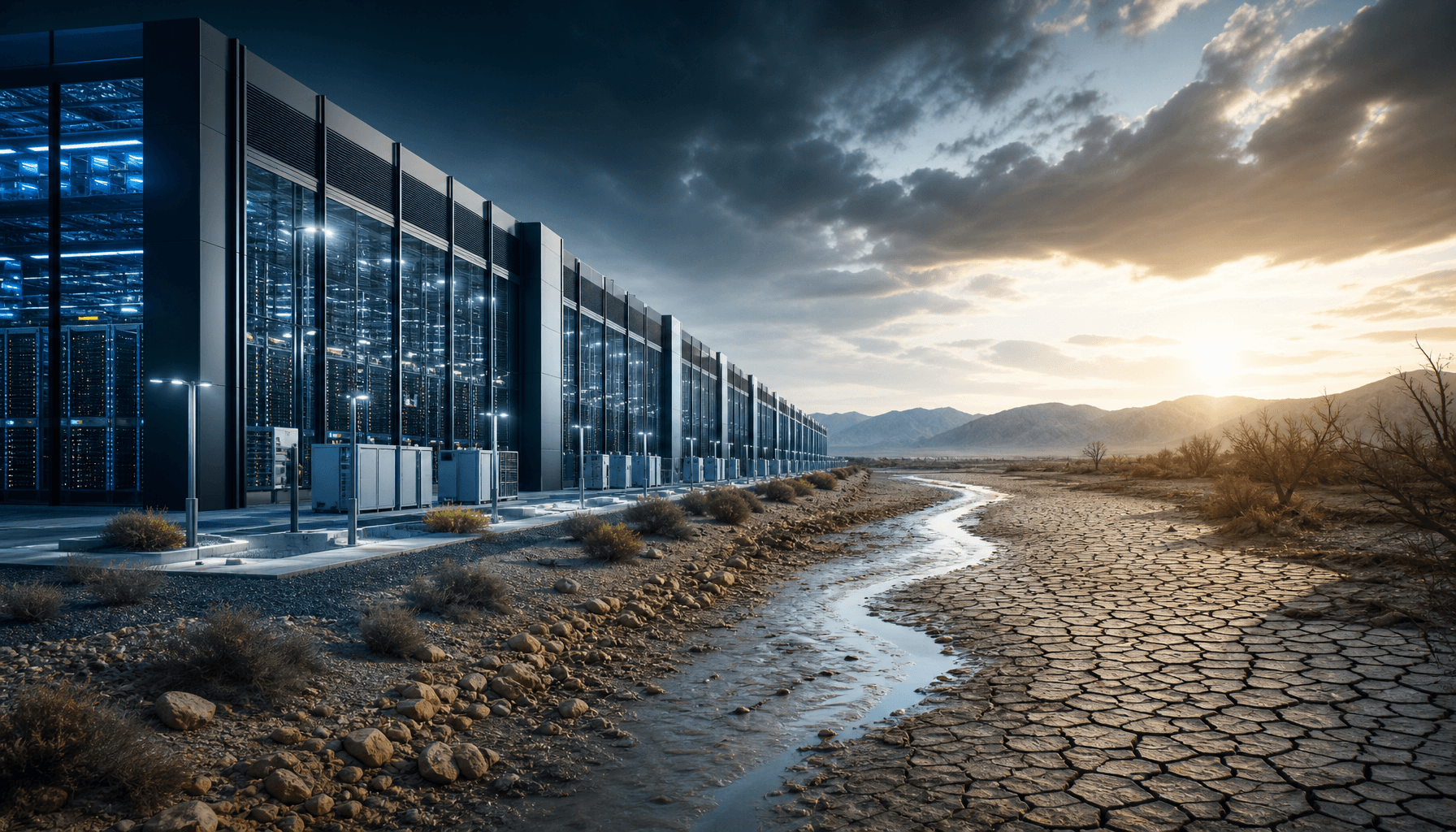
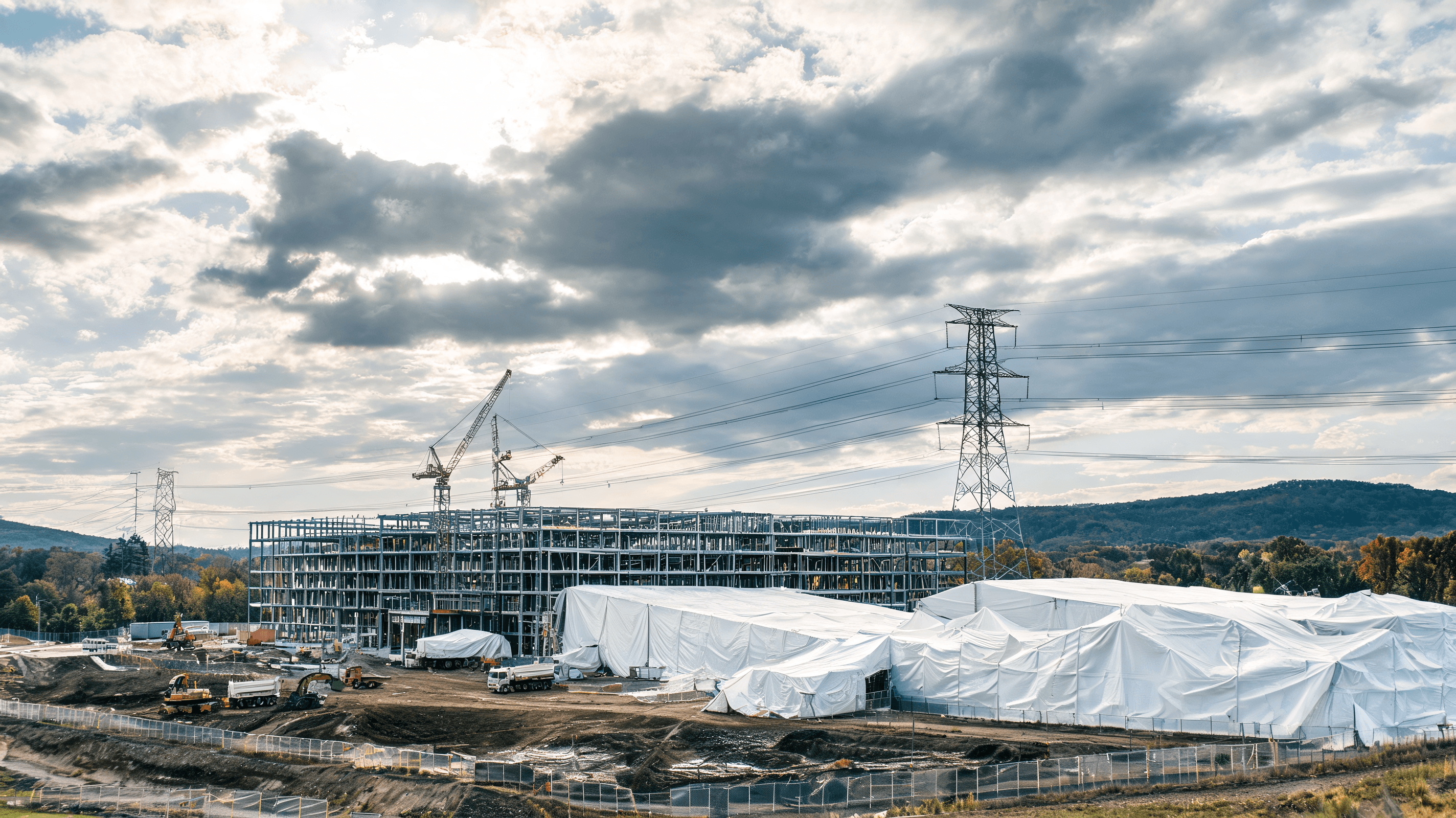
California's largest planned AI data center faces a lawsuit and public outcry after requesting 260 million gallons of water annually from the Colorado River, highlighting resource sustainability tensions.
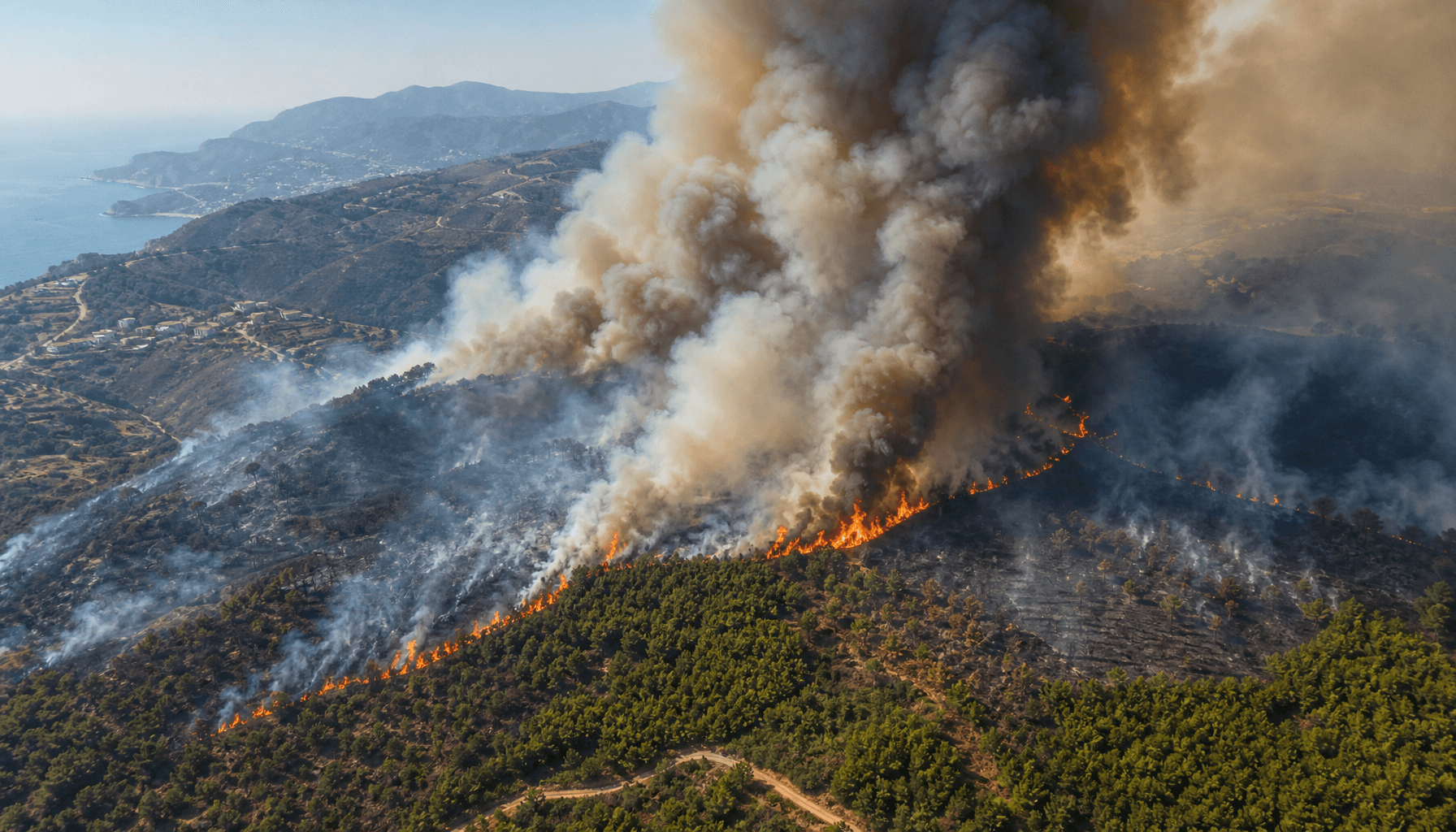
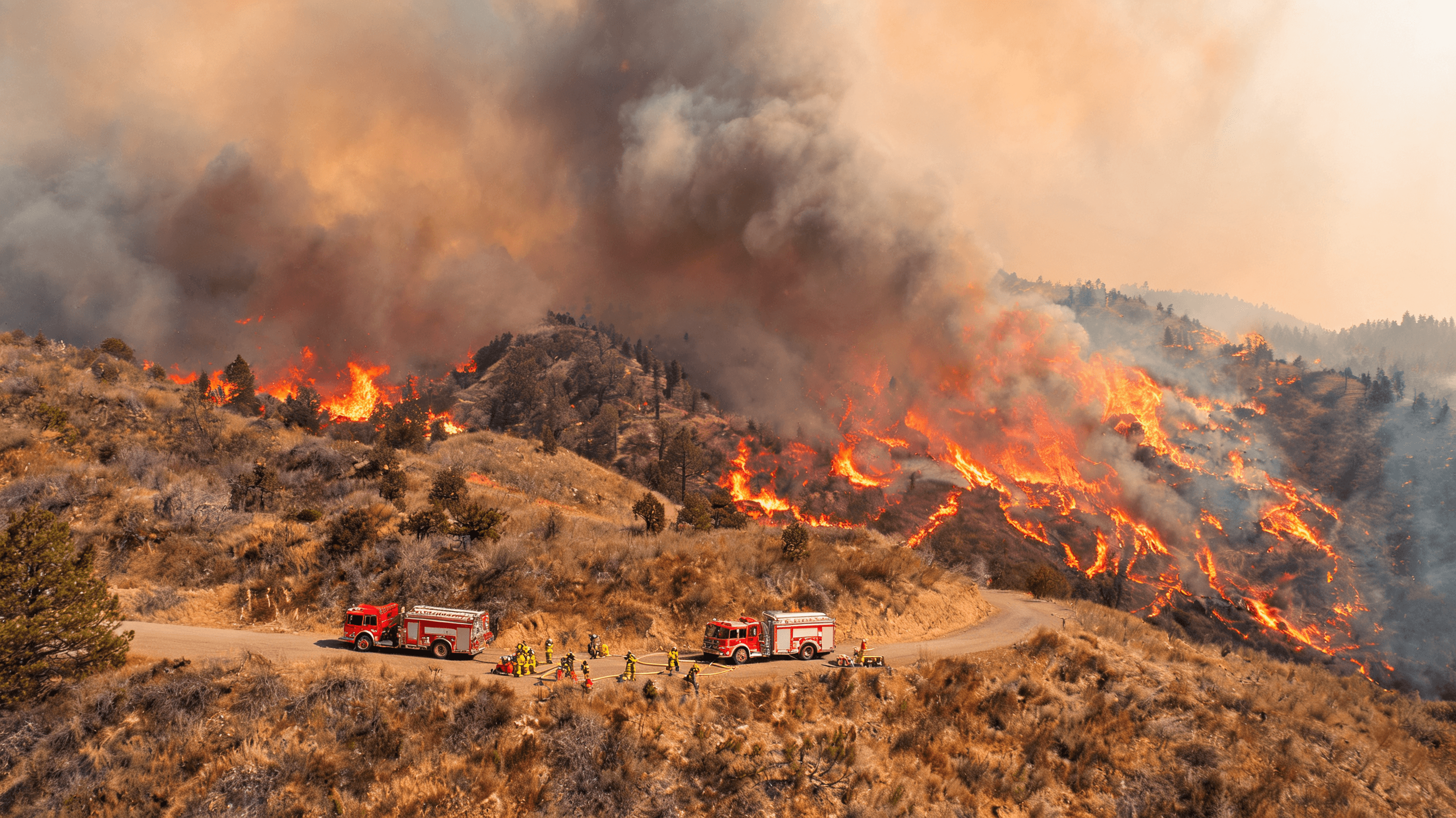
Severe wildfires in France and Spain have displaced over 300,000 people. This disaster highlights the increasing frequency of extreme weather due to climate change, prompting calls for stronger European climate resilience.
A new study indicates that the increase in U.S. wildfires over the last decade has reversed four years of progress in improving surface ozone levels, creating a public health challenge.
The Seattle City Council is set to vote on a one-year moratorium on new data centers, with support from tech employees concerned about the impact on urban infrastructure and power.
Montana officials have issued a grave warning that due to drought, heat, and wind, the state faces above-average wildfire risks in summer 2026, prompting local government action.
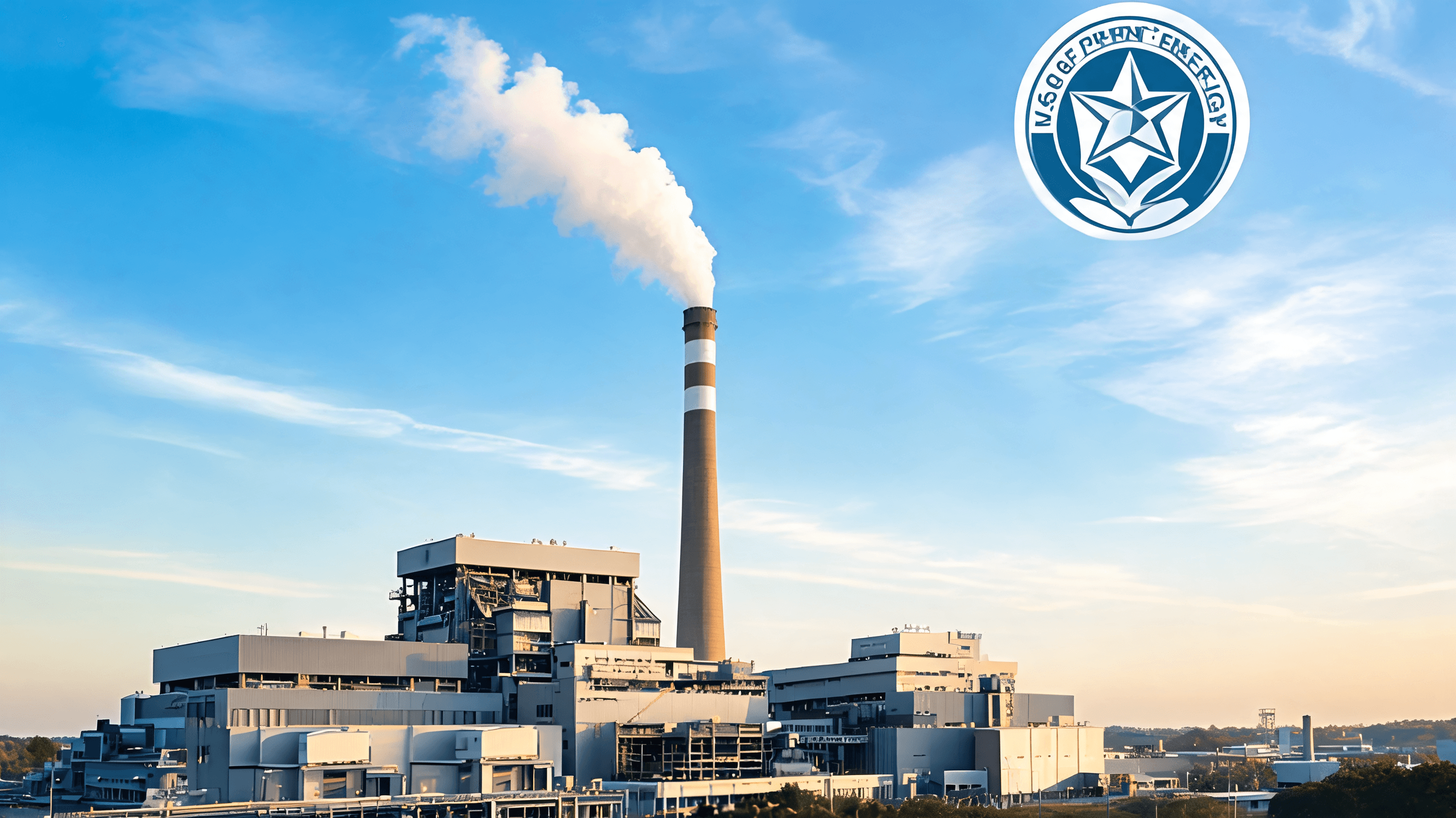
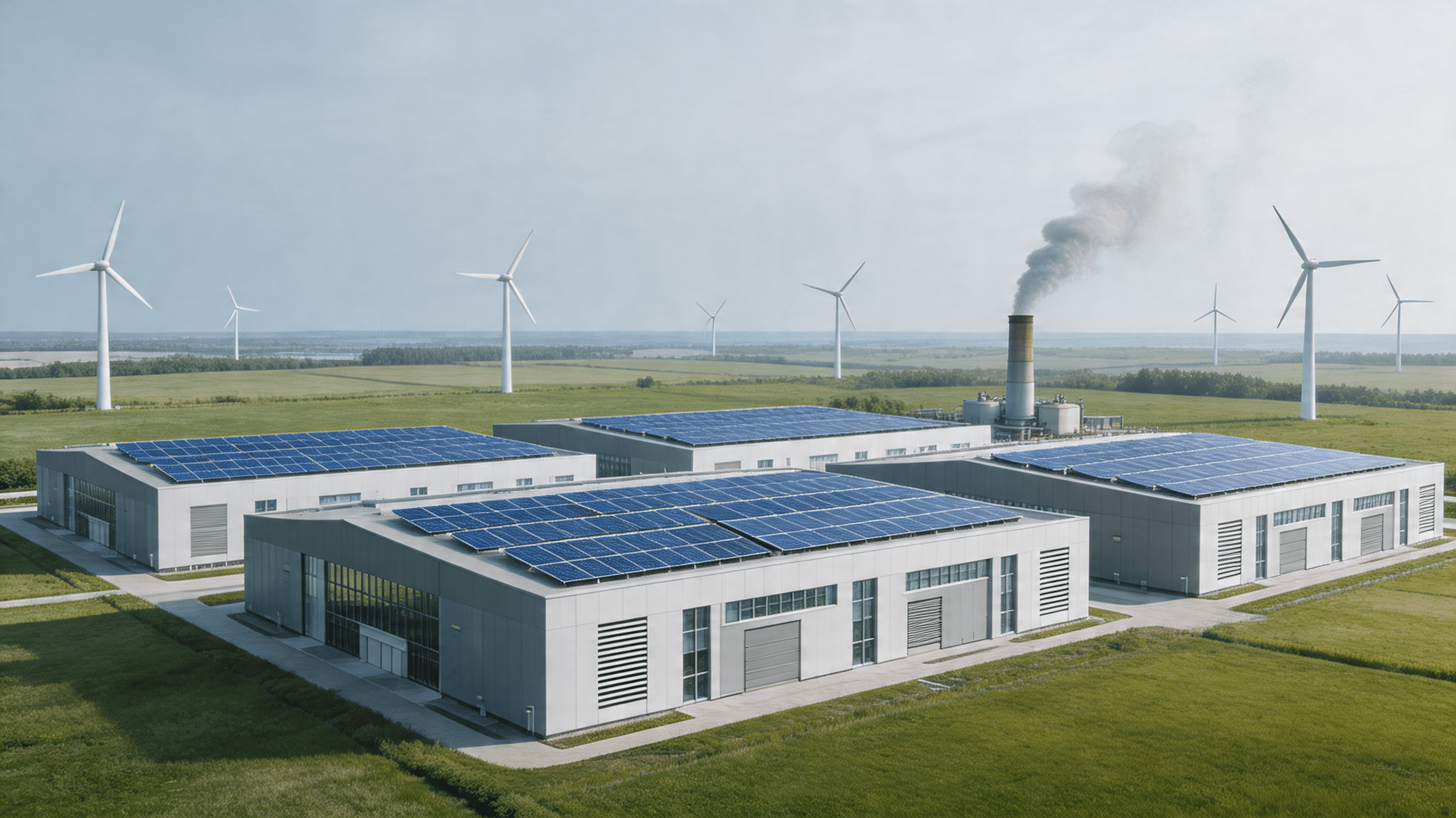
The Trump administration has announced a $425 million investment to modernize 12 existing coal plants and fund two new ones, aimed at ensuring "Energy Dominance." The move faces sharp criticism and potential legal challenges from environmental groups.
The flesh-eating screwworm has returned to the southern U.S. for the first time since 1966. The USDA is employing sterile-fly biological control methods and detection dogs to manage the threat to livestock and public health.
The U.S. Department of Energy has allocated $425 million to extend the life of 12 coal plants and fund two new facilities, aiming for 'energy dominance' despite potential legal and environmental challenges.
New York state legislature passes a one-year moratorium on new data center permits, the first in the U.S., as concerns over AI energy consumption grow.
Despite various pesticide control measures in California, the usage of the dangerous carcinogen 1,3-D continues to rise, sparking concerns among local communities regarding regulatory efficacy and health risks.
Global unregulated squid fleets are implicated in severe environmental crimes and human rights abuses, often using "flags of convenience" to evade regulation. Increased international pressure is mounting for transparency and better maritime enforcement.
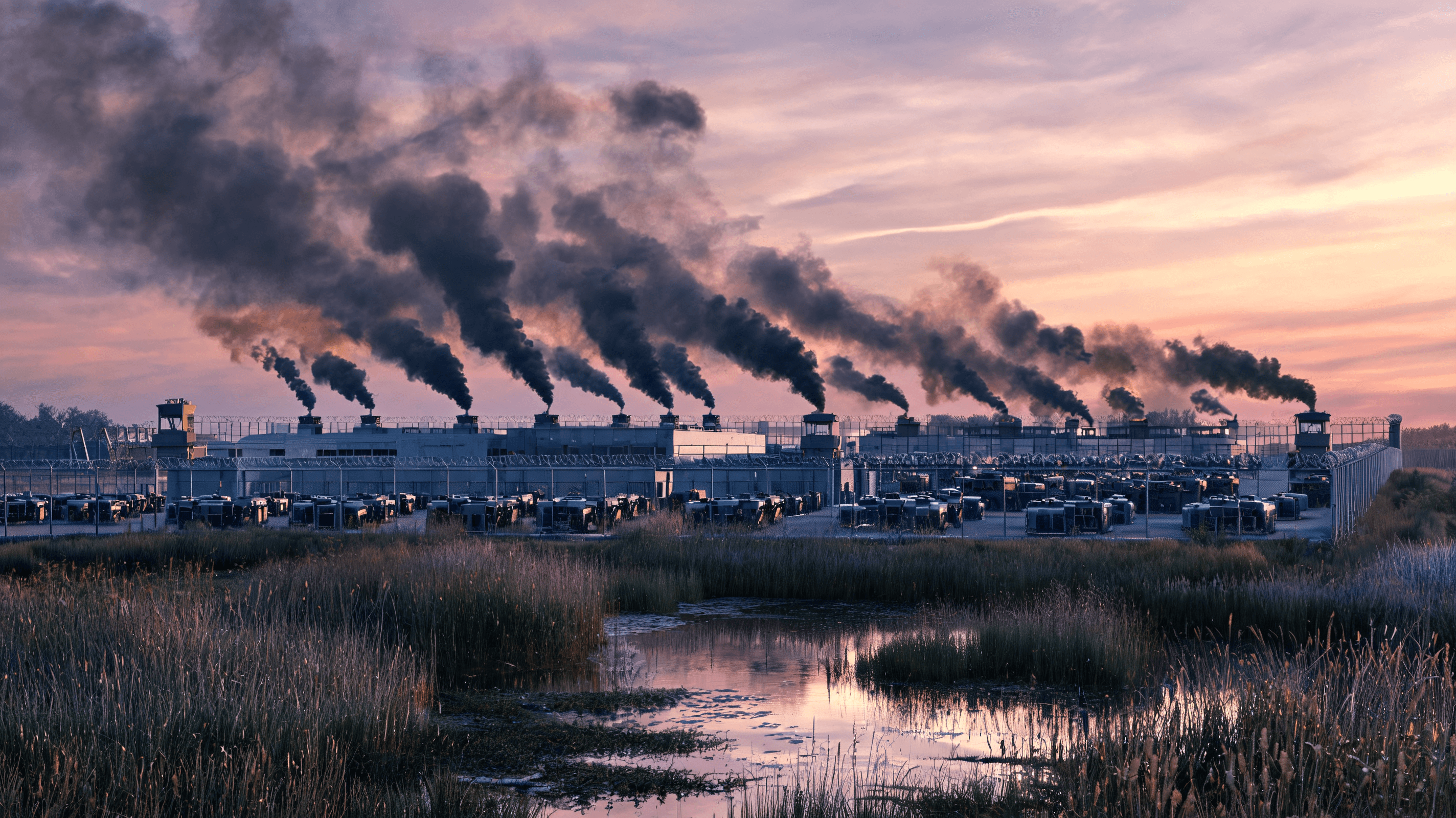
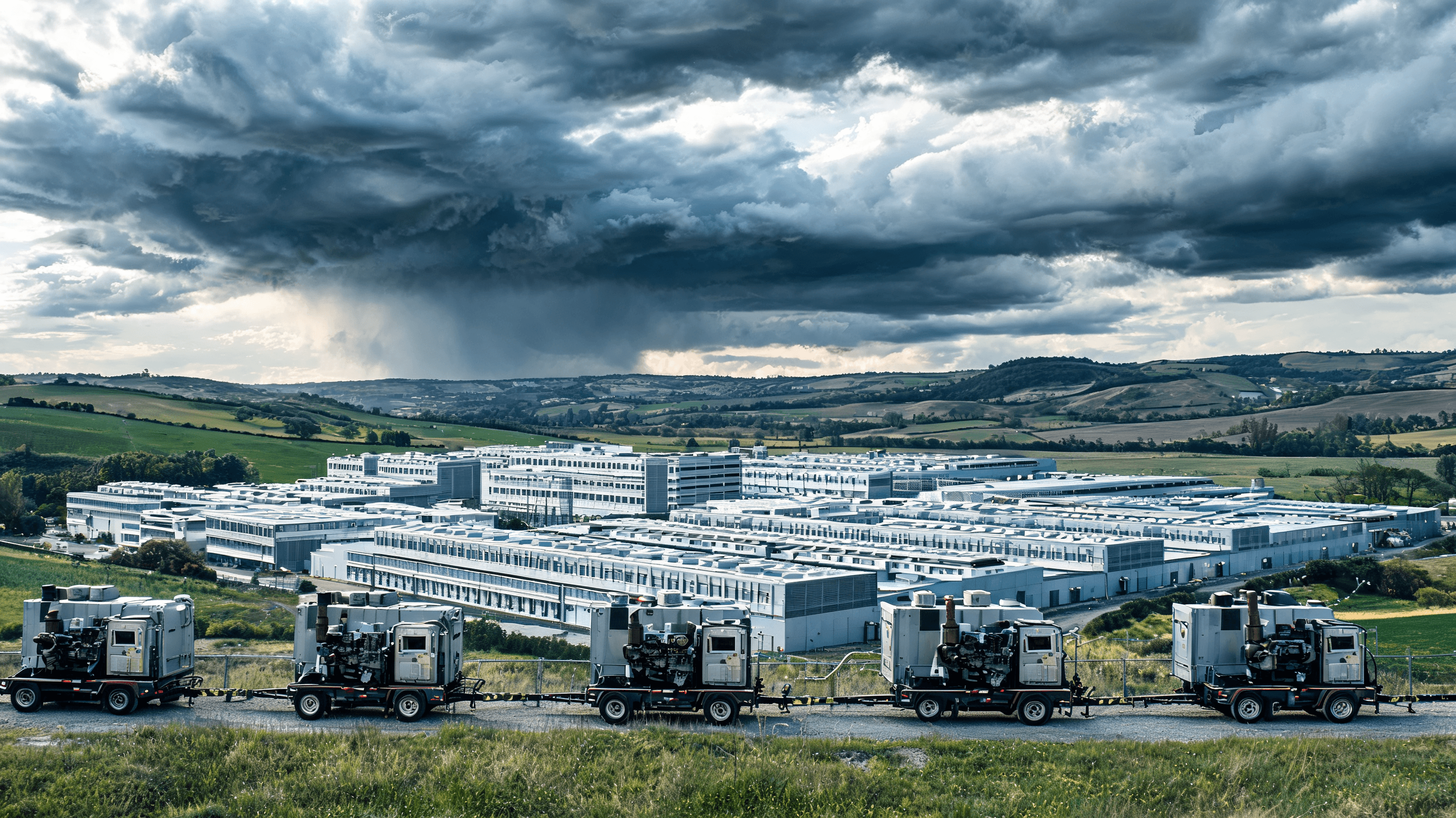
The migrant detention center known as 'Alligator Alcatraz' faces a federal lawsuit alleging that its massive diesel-generator operations violate the Clean Air Act, threatening public health.
The Okefenokee Swamp in Georgia is nearing recognition as a UNESCO World Heritage site. This recognition would strengthen conservation efforts and underscore its role in combating climate change, with a decision expected by July.
Environmental activist Erin Brockovich is launching a new campaign demanding transparency for data centers, citing concerns over resource consumption and lack of environmental impact disclosure.
The Trump administration's rollback of EPA chemical refrigerant regulations aims to lower consumer prices, but manufacturers warn of market instability, higher prices, and increased greenhouse gas emissions.
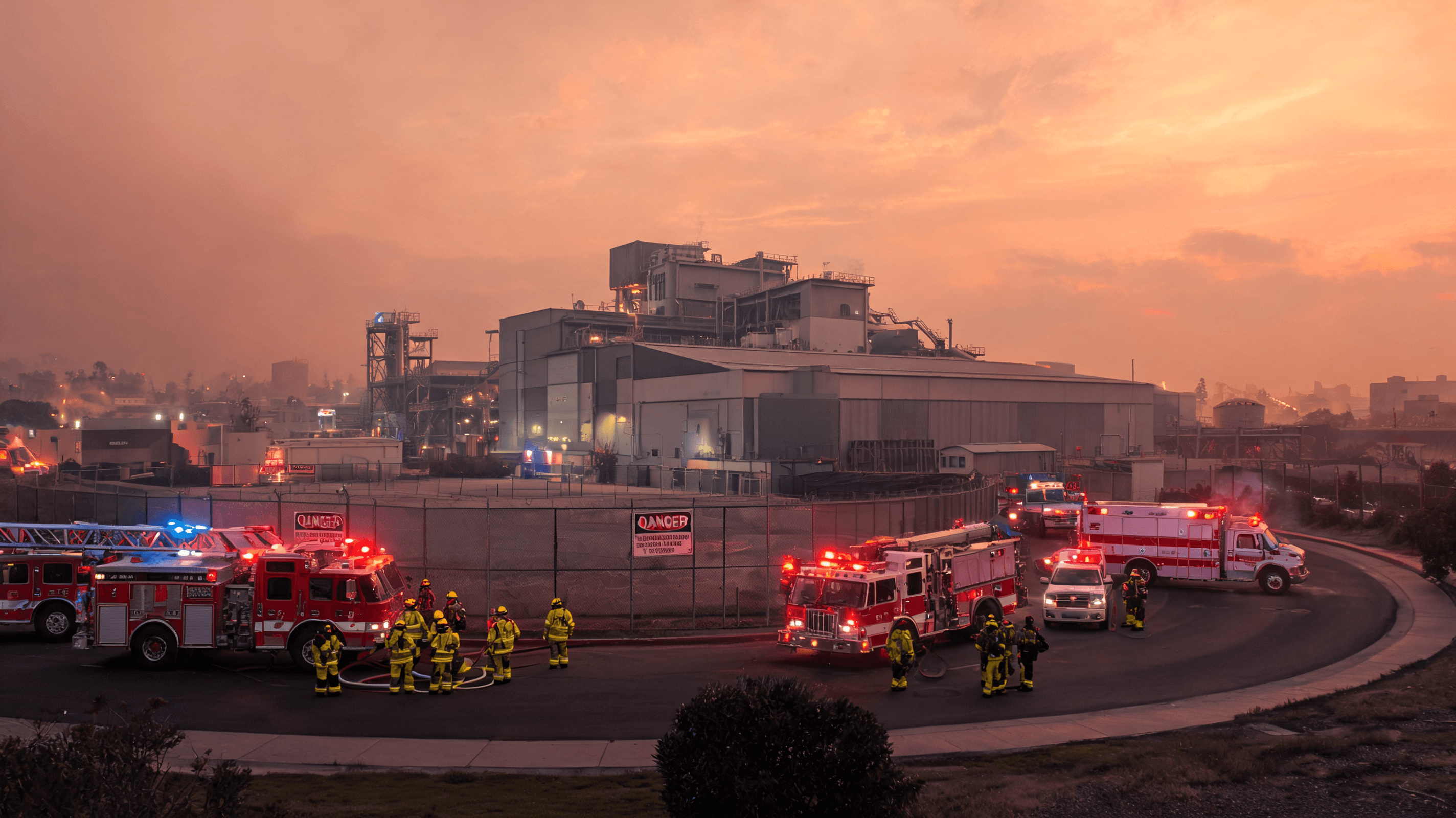
California has declared a state of emergency after a 7,000-gallon methyl methacrylate leak, leading to mass evacuations as crews work to prevent potential explosions.
Recent environmental crises in the US have exposed vulnerabilities in aging infrastructure and gaps in regulatory enforcement. Experts urge for greater corporate transparency regarding waste management and accelerated infrastructure upgrades to prevent future catastrophes.
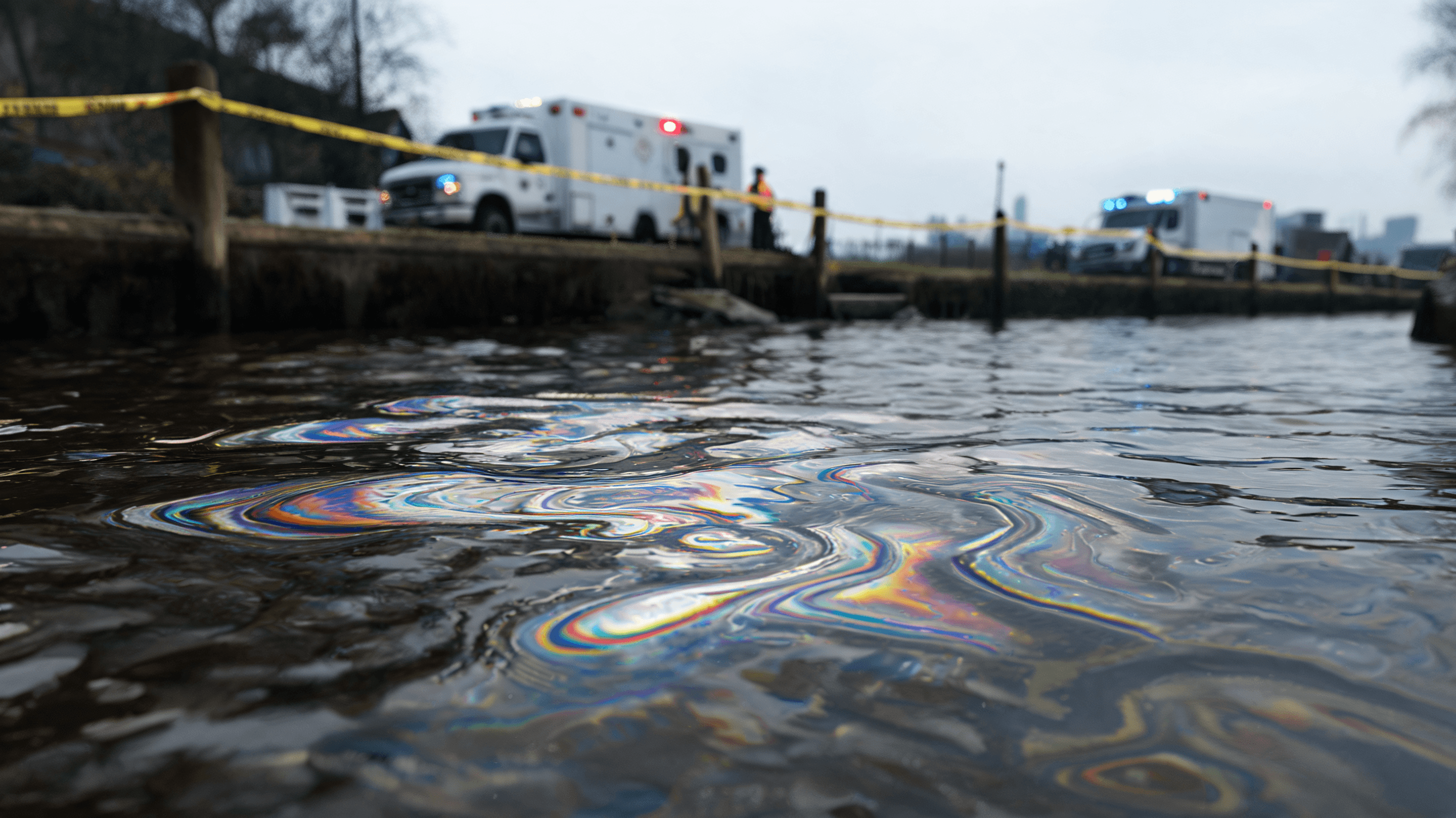
The Potomac River faces a drinking water crisis due to sewage and fuel leaks, impacting over 5 million people, while gray whales on the Pacific coast are dying in record numbers, highlighting severe ecosystem distress linked to climate change.
Recent chemical leaks in California and contamination in the Potomac River threaten water safety and public health, highlighting systemic risks from aging infrastructure and regulatory failures.
California has declared a state of emergency after a toxic chemical leak in Orange County prompted mass evacuations and sparked fears of an industrial explosion.
Governor Hochul plans to weaken New York's landmark Climate Leadership and Community Protection Act by delaying emissions targets. The proposal faces intense backlash due to public health concerns and creates policy uncertainty for the clean energy sector.
California's wildfire season has begun early and with increased intensity due to an unusually warm, dry winter, threatening homes and ecosystems. AI and satellite technology are now critical for early fire detection.
xAI’s Colossus 2 data center in Mississippi is facing a lawsuit over the operation of nearly 50 mobile gas turbines allegedly used without proper regulatory oversight, highlighting the tension between AI’s energy demands and environmental laws.
Tech giants' reliance on gas-powered data centers is under scrutiny, with reports indicating massive potential greenhouse gas emissions that face increasingly strict environmental regulations.
Scientific findings indicate that rising ocean temperatures are causing great white sharks to overheat, highlighting the physiological vulnerability of apex predators to climate change.
Researchers at the Fraunhofer Institute have developed a laser-based process to seal paper packaging without the use of glue, drastically improving the recyclability and quality of the resulting material.
U.S. senators are pushing for mandatory reporting of electricity usage by data centers to address the strain on power grids and energy security concerns posed by rapidly expanding AI infrastructure.