The Hidden Cost of AI: The California Data Center Water Dispute
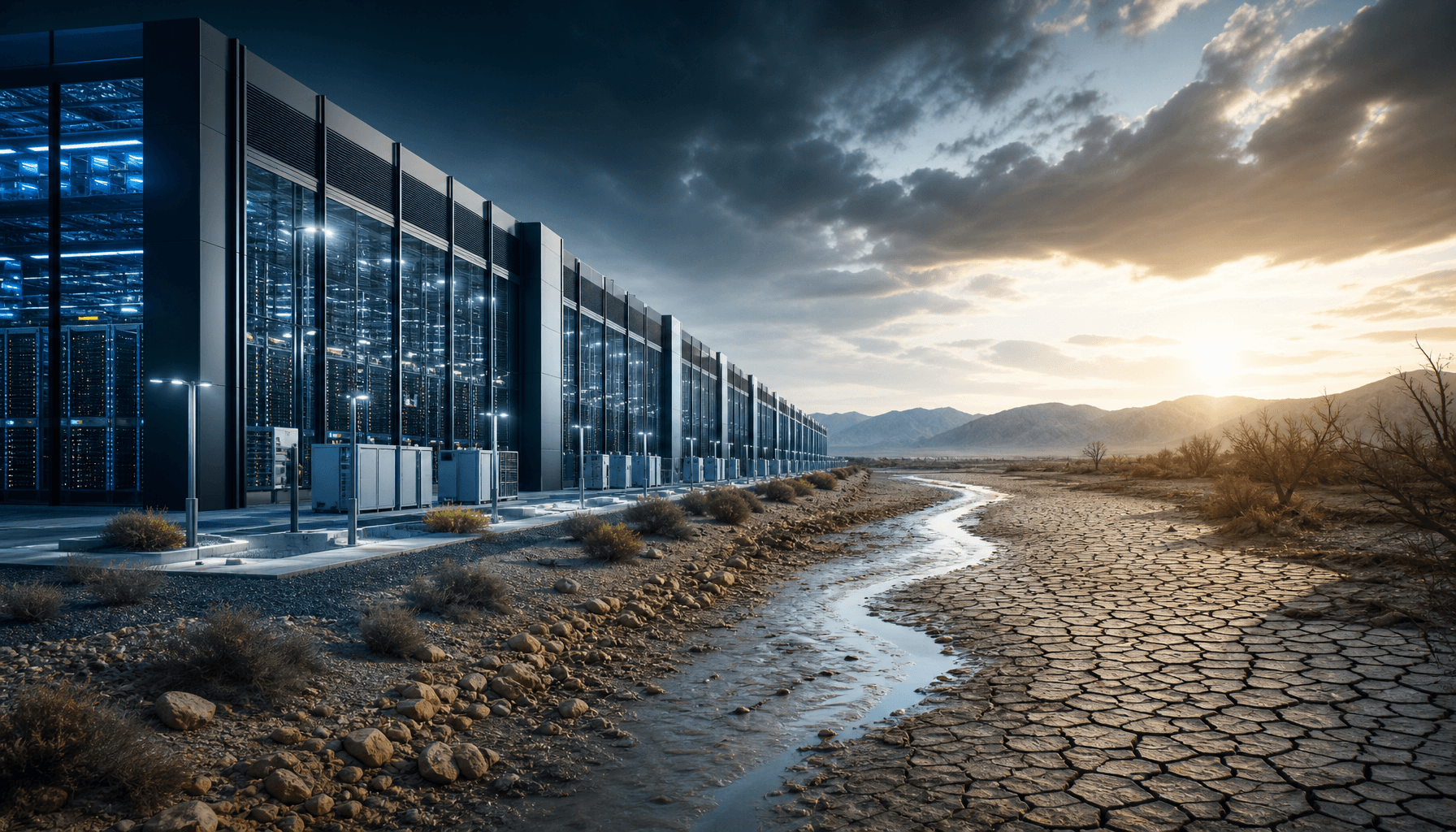
As the computational requirements for artificial intelligence models skyrocket, so too does the demand for cooling water in data centers. California, the global hub of AI innovation, is currently embroiled in a significant resource dispute: the state’s largest planned AI data center, which had previously promised not to rely on Colorado River water, has now filed a request to draw 260 million gallons annually. This pivot has ignited fierce opposition from local environmental groups and triggered a legal battle that highlights the growing tension between the rapid expansion of the technology sector and the sustainability of critical natural resources.
Legal Battles Over Colorado River Water Rights
The request for water by the data center directly challenges the sensitivity of water allocation under the Colorado River Compact. As a crucial source for California’s agriculture and municipal needs, water rights are strictly governed. Legal experts analyze that for the data center to secure these permits, it must demonstrate that its usage does not infringe upon existing agricultural irrigation priorities or violate established water rights frameworks. The core of the legal challenge rests on whether the original development permit was granted under the assumption that the facility would not rely on this specific watershed, potentially constituting a misrepresentation of project parameters.
Competing Interests: Tech vs. Agriculture
This dispute underscores a broader oversight in the AI industry regarding its reliance on physical resources. The annual consumption of hundreds of millions of gallons of water is a significant diversion of resources for a state that faces persistent drought pressures in its agricultural regions. Data trends show that public sentiment regarding AI data centers, water shortages, and resource equity is increasingly negative in California, with search interest rising as residents question the prioritization of industrial cooling over existing agricultural needs. ESG (Environmental, Social, and Governance) scrutiny of AI’s environmental footprint is becoming significantly more rigorous as a result.
Challenges for Policy and Environmental Regulation
The California government is caught in a difficult position: it must maintain its technological leadership to drive economic growth while managing intense political pressure from the agricultural sector and environmental advocacy groups. This case is expected to serve as a precedent for future data center development permits, with stakeholders closely monitoring the court’s decision. If the court rules that the original permit is invalid, it could force all pending AI data center projects in the state to re-evaluate their water usage strategies, potentially driving high-consumption facilities to relocate to regions with more abundant water supplies.
The Path Toward Sustainable Computing
Moving forward, the development of AI data centers must incorporate 'water efficiency' as a core technical benchmark. This includes the development of more efficient air-cooling technologies, closed-loop water circulation systems, and more transparent reporting on water resource usage. Tech companies that fail to address this resource conflict risk facing severe public relations backlash and mounting compliance risks. This is not merely a lawsuit over water usage; it is a fundamental debate about how the technology industry can coexist with environmental reality in an era of deepening resource scarcity.