Background: Extreme Climate in the European Summer
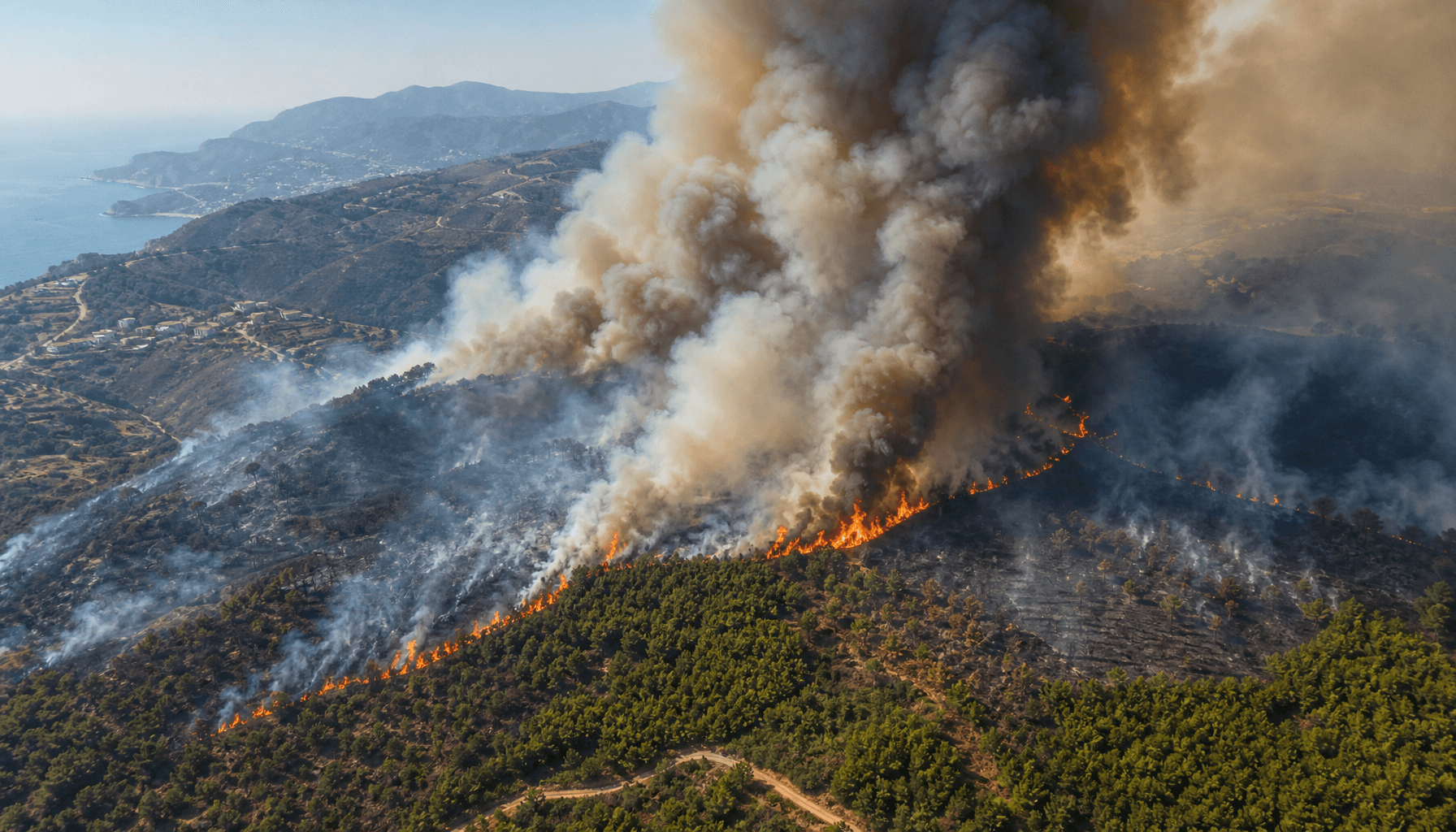
France and Spain have recently been struck by an unprecedented wildfire crisis. As climate change accelerates heatwaves, the Mediterranean region is experiencing an extremely dry summer. According to recent BBC reports, more than 300,000 people have been forced to evacuate their homes, marking one of the most severe environmental disasters in Europe in recent years. This crisis is not only a test of local firefighting systems but also a stark warning about the efficacy of global climate policies.
Technical Details of Wildfire Spread
The difficulty in extinguishing these wildfires is primarily attributed to persistent high temperatures, prolonged drought, and strong seasonal winds. In the forests of southern France and agricultural regions in Spain, vast areas of vegetation have become highly combustible due to extreme dehydration. Firefighting experts note that these fires have formed powerful convection currents, sometimes creating 'fire tornadoes,' rendering traditional firefighting methods largely ineffective. Furthermore, rugged terrain has limited the deployment of heavy machinery, forcing firefighters to rely heavily on aerial water drops and the cutting of firebreaks.
Environmental Impact and Data Analysis
This disaster has had profound implications for biodiversity and carbon emissions. The burning forests not only destroy habitats but also release significant amounts of carbon dioxide, further exacerbating the greenhouse effect. According to climate observatory data, the frequency of such extreme wildfire events has increased by 40% over the past decade. This topic reached a search interest score of 82 in California, reflecting global public concern over climate disasters. In Taiwan, interest in related issues also reached 58, indicating cross-border climate anxiety.
Policy and Legal Challenges
EU member states are currently under immense pressure to review land-use planning and maintenance standards for firebreaks. Legal experts point out that current environmental regulations have proven too slow to respond to disasters of this scale and lack an automatic mechanism for cross-border firefighting resource deployment. Many observers are calling for the EU to establish a more mandatory climate resilience framework to prepare for more frequent extreme weather events.
Future Outlook: Building Climate Resilience
In the face of the climate crisis, the governments of France and Spain are working to expand post-disaster reconstruction funds and promote forestry reform. Looking ahead, this disaster will compel Europe to re-evaluate its energy transition pathway and increase investment in extreme climate prediction models. Observers should continue to monitor progress in the EU’s climate adaptation policies and how individual nations incorporate 'climate resilience' into their national development strategies.