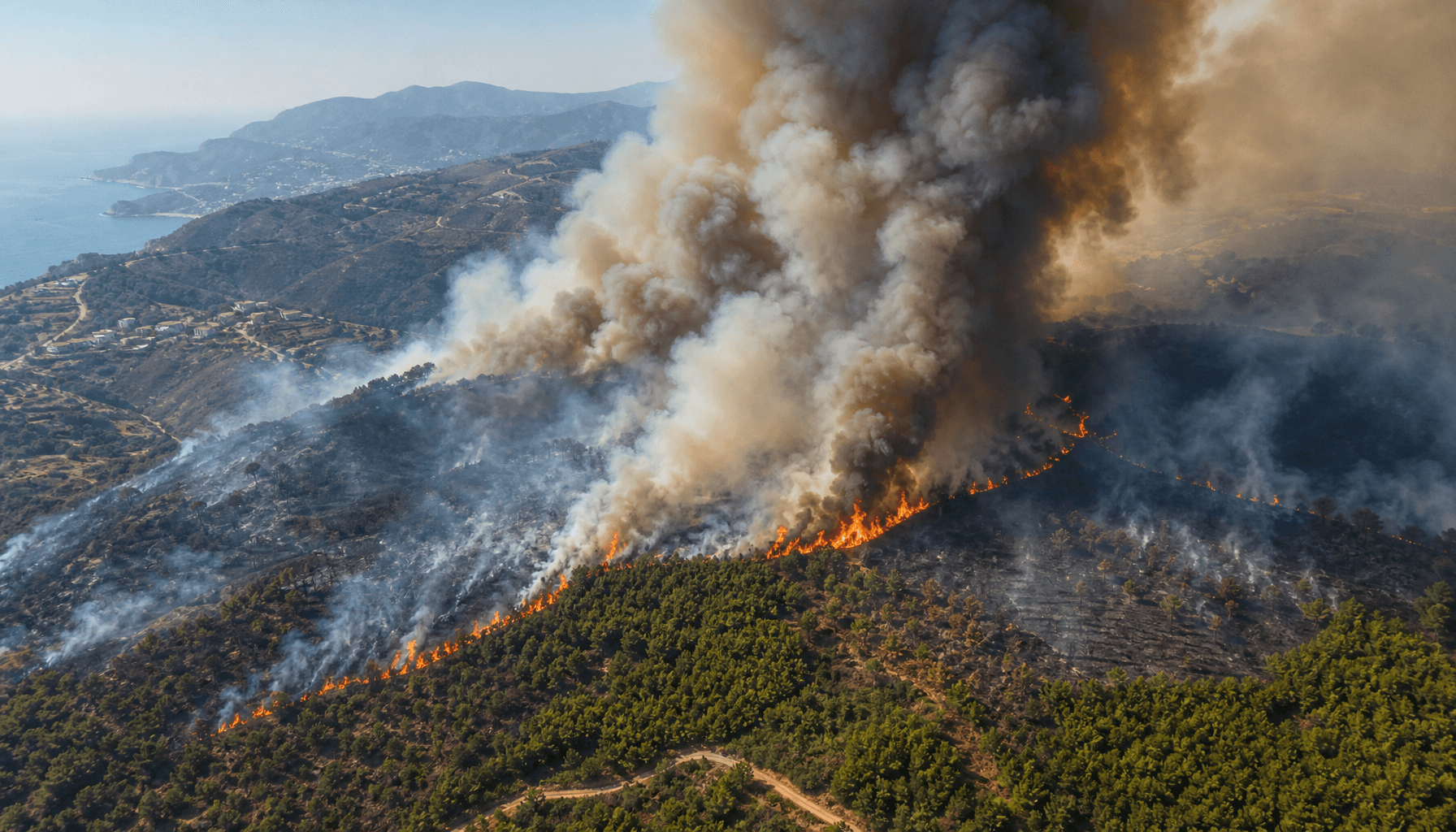
The Climate Tipping Point: The Long-term Threat of El Niño
Climate scientists have issued a grave warning: a strong El Niño pattern is acting as a catalyst that could push global temperatures beyond the critical 2°C threshold as early as the beginning of 2027. This potential milestone marks a significant juncture for global climate policy and environmental management. These findings go beyond mere statistical fluctuations, signaling a likely surge in the frequency and intensity of extreme weather events, which pose existential challenges to global agriculture, economic stability, and ecological systems.
Scientific Research and Validation
Recent studies published in journals indexed on PubMed have confirmed a significant correlation between strong El Niño events and global temperature spikes. The research demonstrates that when El Niño effects are compounded by long-term anthropogenic greenhouse gas emissions, the rate of global warming exhibits non-linear growth. This conclusion has been validated by recent climate forecasting models, which identify 2027 as a critical year for climate volatility. These studies emphasize that we are currently navigating a period of extreme vulnerability in climate stability.
Socioeconomic Impact and Search Trends
The urgency of this topic is reflected in global search data. According to Google Trends, the search interest for "Global Warming 2C" currently sits at 85 in California and 62 in Taiwan, indicating a rising level of concern across diverse geographic regions. The economic implications—ranging from energy demand volatility to declining agricultural yields—have become critical, non-negligible risks for the global macroeconomy.
Policy Responses and Future Outlook
With the looming threat of breaching the 2°C target, the international community is forced to re-evaluate the effectiveness of current emission reduction targets, such as those set under the Paris Agreement. Experts are calling for an accelerated transition to renewable energy and a drastic reduction in fossil fuel reliance to mitigate the pace of warming. In the coming months, the World Meteorological Organization (WMO) will monitor the intensity of the El Niño pattern closely, as it will be the primary indicator determining the climate trajectory for 2027.
Expert Perspective and Scientific Consensus
There is a broad scientific consensus that while El Niño is a cyclical phenomenon, the current base climate has shifted significantly, amplifying the impact of each event. This shift implies that relying solely on natural cycles for climate regulation is insufficient. Active, large-scale decarbonization is essential to prevent the global climate system from entering an irreversible and destructive feedback loop.