Background and Implications of the Ceasefire
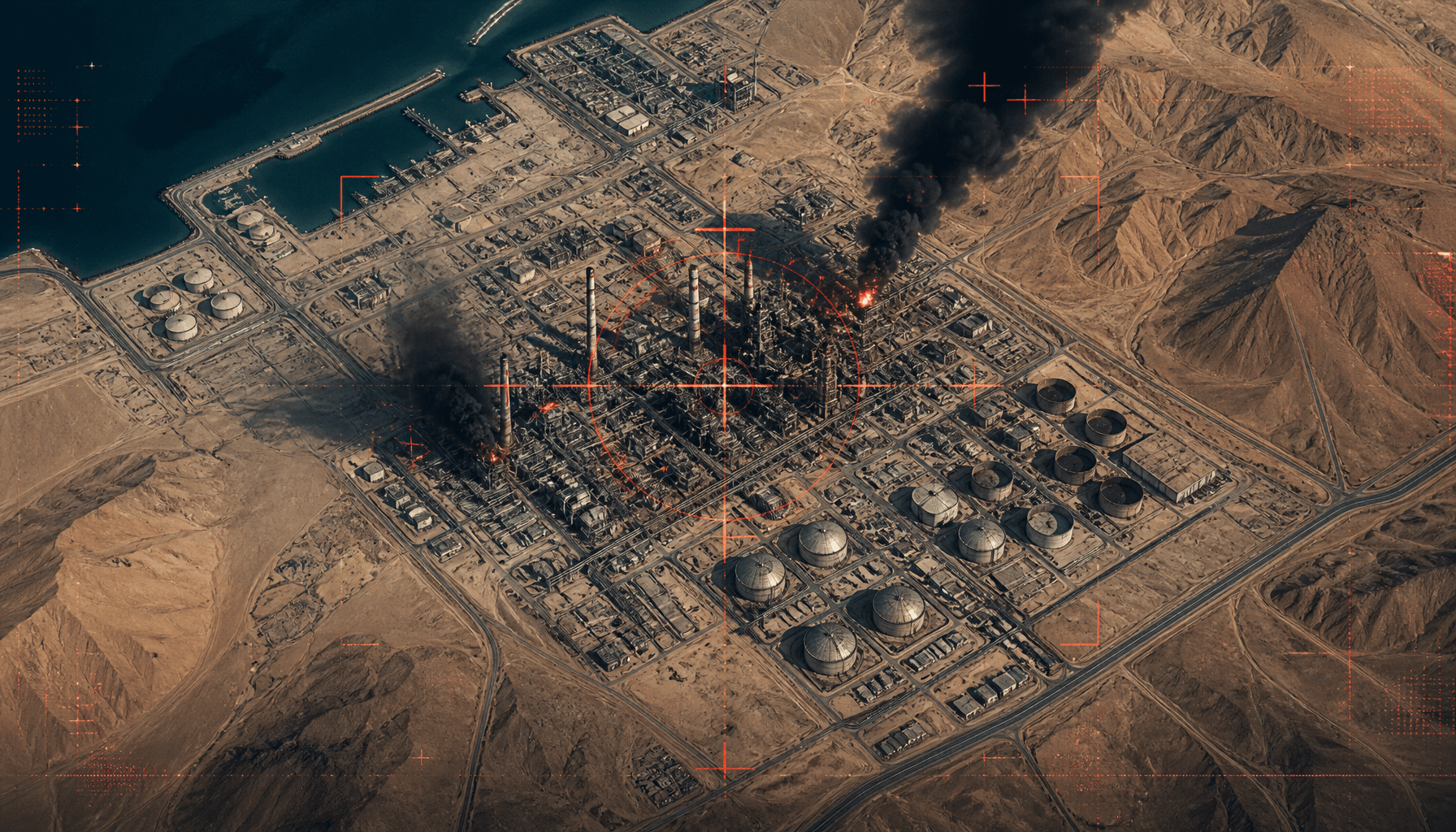
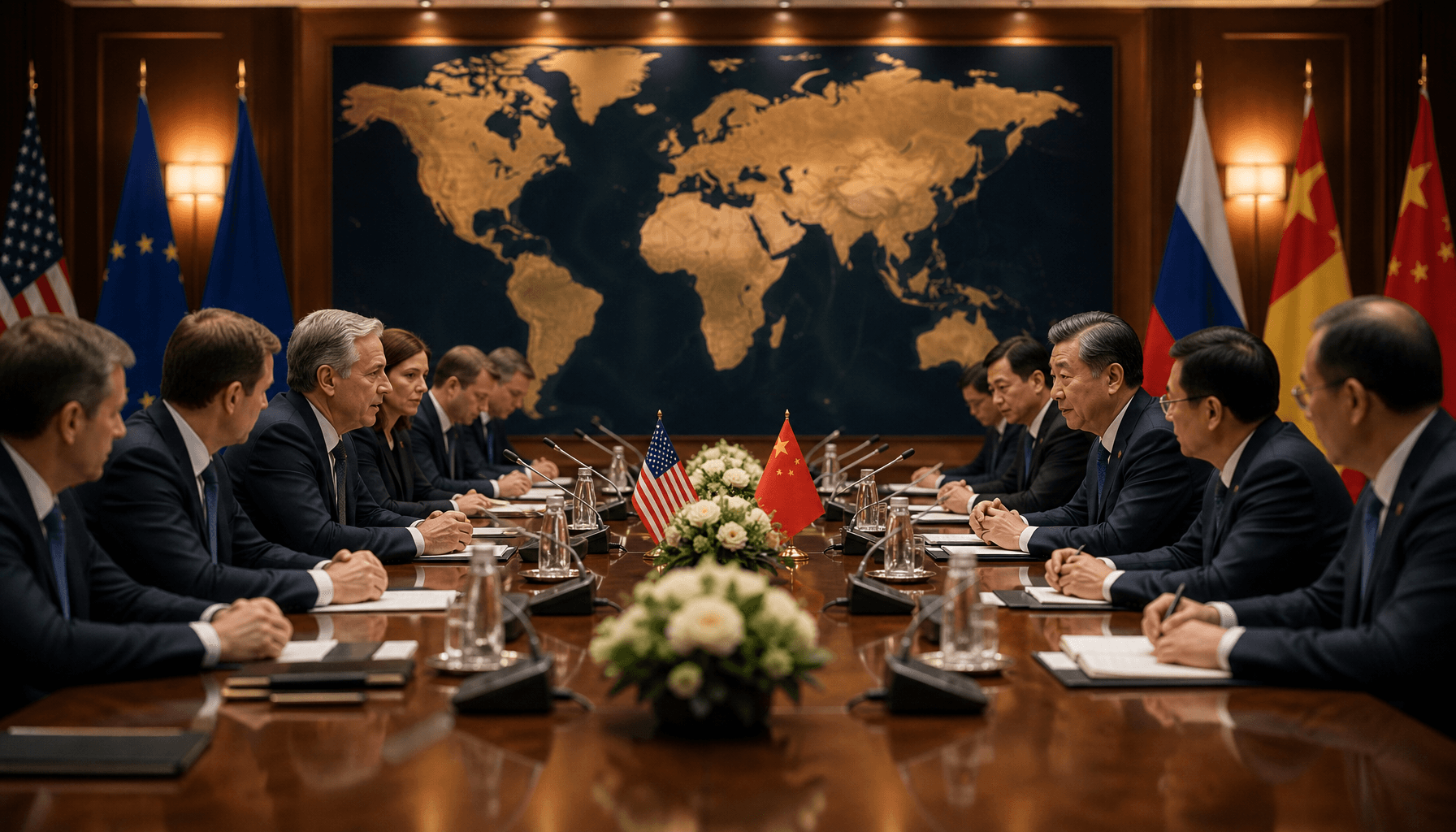
The formal signing of a US-Iran ceasefire deal today marks a potential turning point in regional geopolitics. Orchestrated by the Trump administration, the agreement aims to de-escalate long-standing tensions through diplomatic channels. While global markets have responded with optimism, experts caution that the long-term viability of the deal hinges on enforcement and compliance. According to reports from the Economic Times, the agreement includes explicit ceasefire terms alongside a stern warning that the US would resume military action should Tehran violate the pact.
Legal Framework and Execution Challenges
The 'interim' nature of this agreement has sparked debate regarding its legal standing. Under Article II, Section 2 of the US Constitution, formal treaties require Senate ratification. Legal scholars observe that executive agreements of this nature provide short-term stability but often lack the endurance of Senate-ratified treaties, making them susceptible to political shifts in future administrations.
Market Response and Risk Sentiment
Against a risk-off backdrop, investors have reacted positively to the news. The geopolitical uncertainty in the Middle East has been a primary driver of volatility in global markets throughout the year. The signing of this deal has led to a cooling in risk-off sentiment, with crude oil and safe-haven assets showing reduced volatility. According to Google Trends data, interest in this topic reached a score of 85 in California and 62 in Taiwan, highlighting the global scale of concern regarding these developments.
Future Outlook and Monitoring
The coming months will be critical in assessing the durability of the ceasefire. International observers suggest monitoring military movements in the region and official diplomatic statements closely. If the agreement holds, it could provide significant relief to global supply chains, particularly regarding the security of energy transit routes. Conversely, any breach of the agreement could trigger renewed market instability and geopolitical tension.