The Geopolitical Challenge in the Gulf
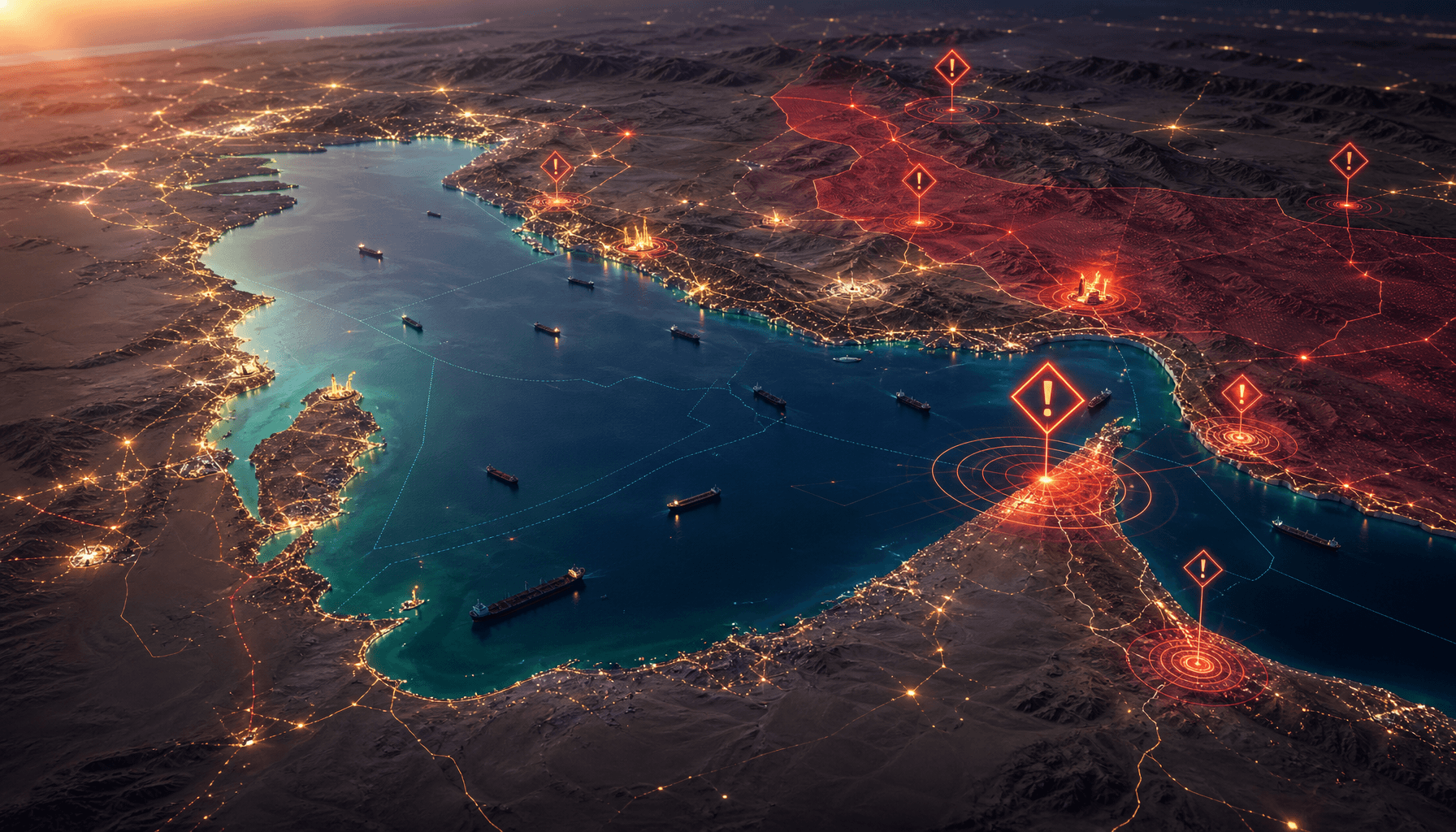
Recent weeks have witnessed a significant escalation in geopolitical tensions within the Gulf region. According to reports from The Economic Times, Iranian authorities have issued a clear warning to the United States, urging against any "adventurous action." This rhetoric comes amidst increased military posturing and heightened diplomatic friction, sparking international concern over maritime security and the stability of global energy supply chains.
Strategic Threats and Energy Infrastructure Risks
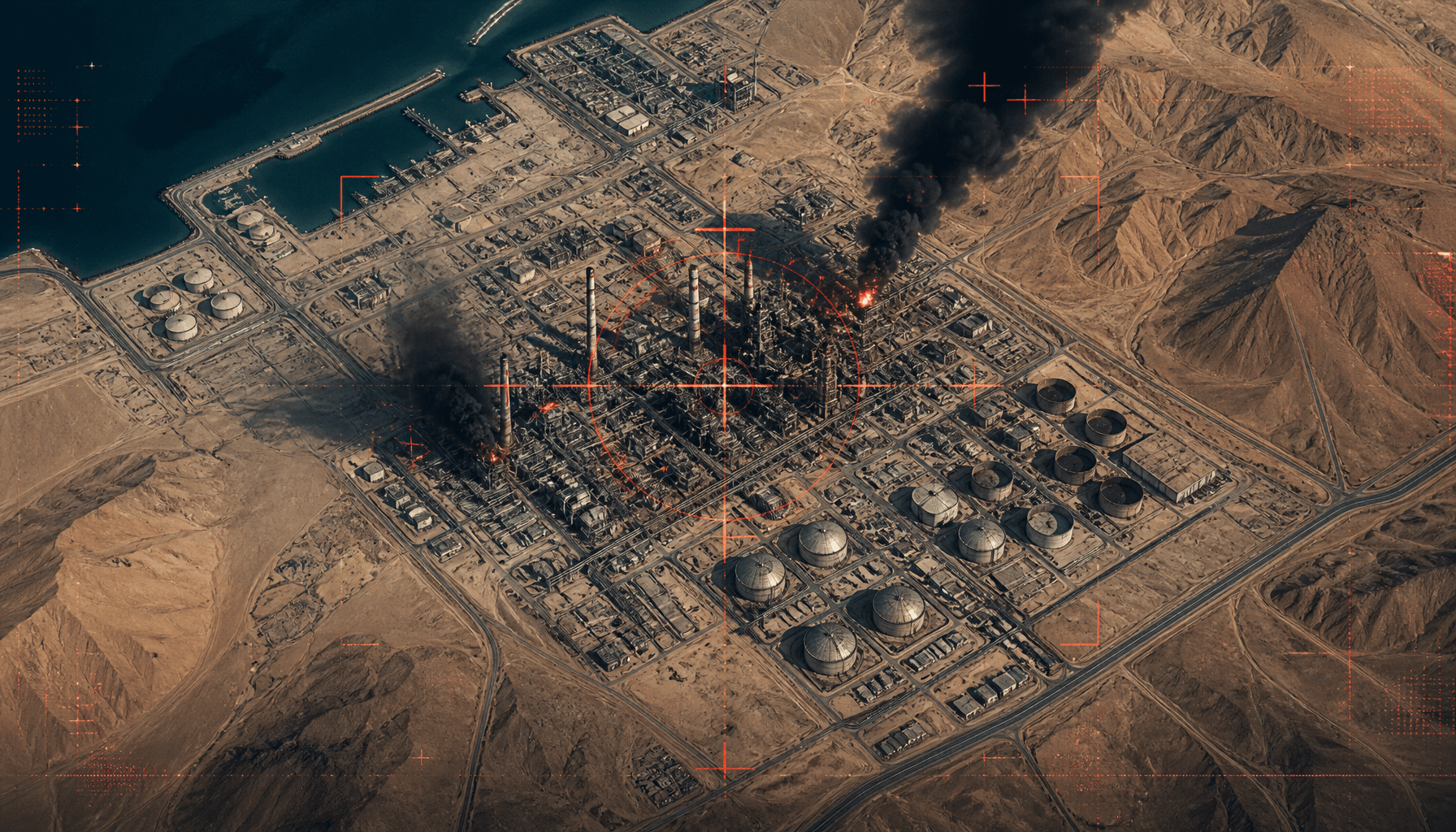
As the situation intensifies, Iran has escalated its warnings, explicitly stating that if the United States launches fresh attacks, it will retaliate by striking the energy fields of its Gulf neighbors. This threat strikes at the heart of the global energy market, given the region's role as a major exporter of oil and natural gas. The Business Times reports that market participants are closely monitoring these developments to determine if such threats could translate into tangible military actions, potentially disrupting global energy flows.
Expert Analysis: Regional Stability and Global Impact
From a geopolitical perspective, the current tensions represent a continuation of long-standing power dynamics in the region. Analysts suggest that by threatening to target the energy infrastructure of neighboring countries, Iran is attempting to increase the cost of military intervention for the U.S. and its allies. Research from global security think tanks indicates that this strategy of "asymmetric threats" aims to link regional security issues directly to global energy prices, forcing major powers to exercise greater caution.
Market Response and Search Trends
Market sensitivity to geopolitical risk remains elevated. Google Trends data indicates that interest in "Gulf energy risk" has surged by 40% over the past week. In Taiwan, interest in this topic is focused on the potential impact on energy import costs, with a search index of 58. This level of interest reflects the vulnerability of global supply chains to regional geopolitical shocks.
Future Outlook and Key Watchpoints
In the coming weeks, the focus of the international community will be on the efficacy of diplomatic mediation and the evolution of military posturing. The deployment patterns of the U.S. Navy in the region, the public activities of the IRGC, and the responses from Gulf Cooperation Council states will be critical indicators of regional stability. Furthermore, energy market risk premiums will continue to be a primary focus for financial institutions monitoring these developments.
Conclusion
The escalation of tensions in the Gulf serves as a reminder that global energy security remains heavily dependent on regional political stability. With the positions of various stakeholders becoming increasingly rigid, avoiding miscalculations and establishing crisis communication channels are essential for maintaining peace in the region. FrontierDaily will continue to track these developments, providing factual and in-depth analysis for our readers.