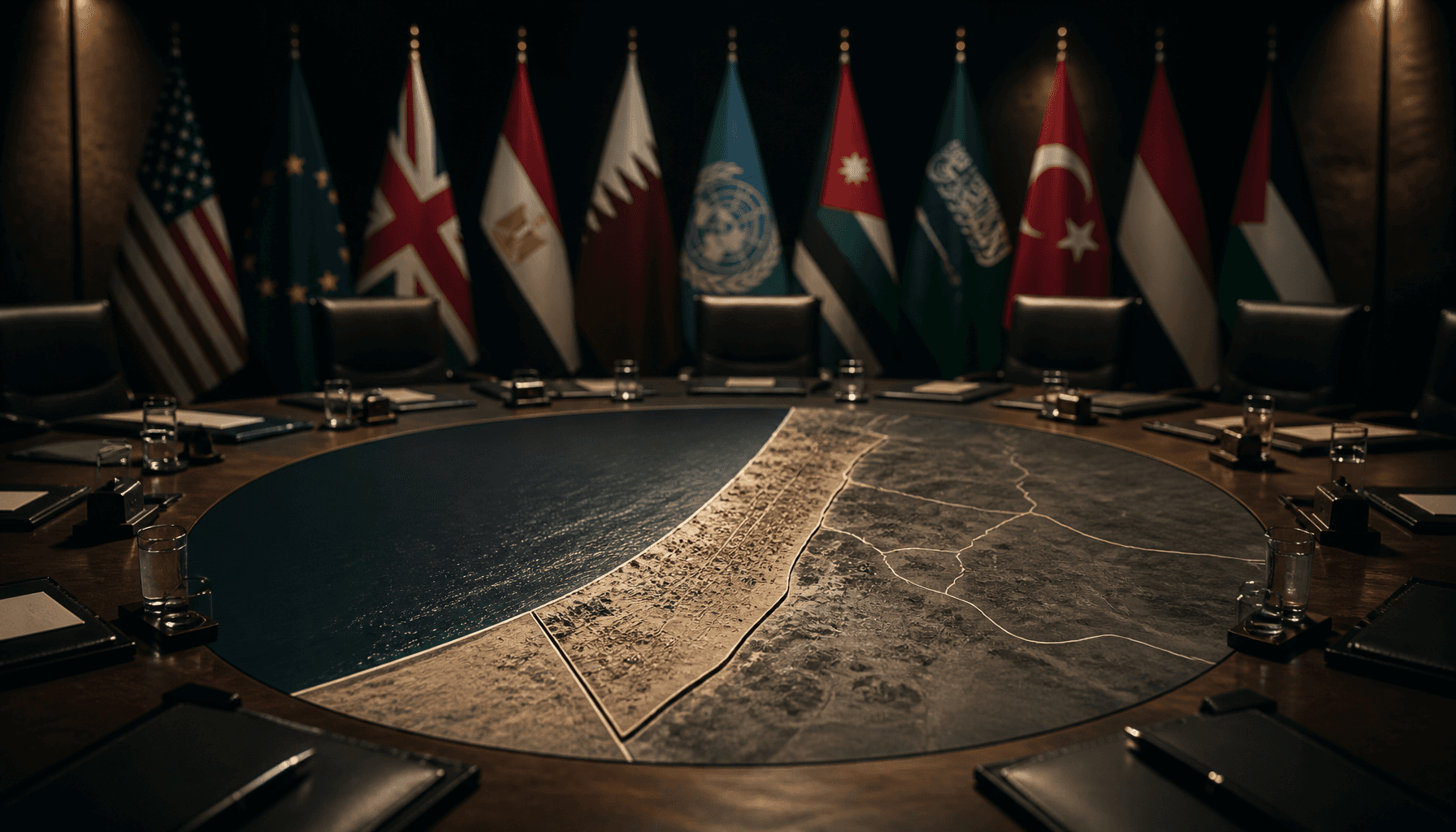
The Volatile Shift in Middle East Geopolitics
The Middle East is currently facing a multi-front escalation that threatens regional stability and global energy security. White House signals suggest that President Trump is weighing potential military strikes against Iran. This consideration follows a series of provocative actions by Iranian forces, including the targeting of Kuwaiti drones and oil tankers within the Strait of Hormuz. These actions have challenged US maritime dominance and forced a re-evaluation of Western military deterrence in the region.
Rebuilding Regional Security Architectures
In response to the deteriorating security environment, Saudi Arabia has announced the formation of a 14-country maritime defense alliance. This coalition, aimed at strengthening regional maritime security and countering unconventional threats, represents a significant shift in the regional power balance. Concurrently, Hamas has signaled a willingness to disarm as part of a potential ceasefire deal for Gaza. However, the situation remains highly fluid, as Israel launched fresh military operations across Gaza shortly after these diplomatic overtures were made.
Strategic Analysis of the Conflict
Analysts at major global security institutes describe the Iranian actions in the Strait of Hormuz as 'gray zone' tactics designed to probe international resolve without triggering a full-scale war. Given that the Strait of Hormuz accounts for approximately 20% of global oil transit, the strategic stakes are exceptionally high. According to the International Energy Agency, any sustained disruption in this area poses a direct risk to global energy prices. A potential US military strike, if authorized, would mark a significant escalation in American involvement in the region's internal security dynamics.
The Humanitarian and Diplomatic Impasse
Despite the move toward disarmament by Hamas, the humanitarian situation in Gaza remains dire, and the subsequent Israeli military strikes indicate a profound lack of trust between the warring parties. Diplomatic efforts by the United States are currently caught between supporting Israeli security objectives and attempting to prevent a wider regional conflagration. The coexistence of ceasefire negotiations and intensive military operations has created a fragile environment where diplomatic breakthroughs are frequently undermined by localized violence.
Future Outlook and Key Observations
Looking forward, the effectiveness of the Saudi-led maritime coalition in deterring Iranian aggression will be a primary indicator of regional stability. Simultaneously, global markets are bracing for potential impacts should US-Iran tensions escalate into direct military conflict. Observers are closely monitoring Washington's decision-making process, as any kinetic action could have profound implications for global oil supply chains and the broader geopolitical alignment of the Middle East.