The Tipping Point in Middle Eastern Geopolitics
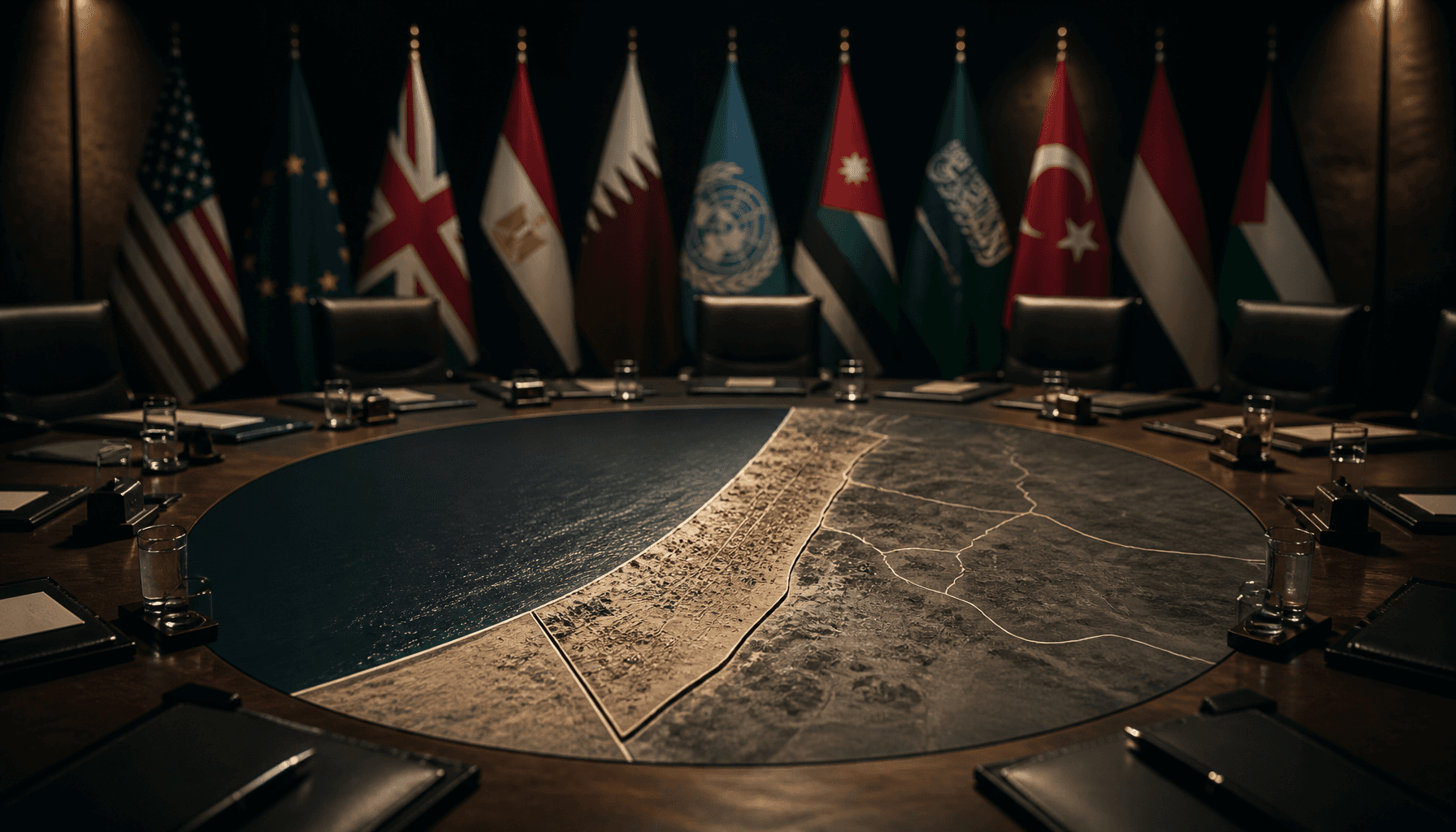
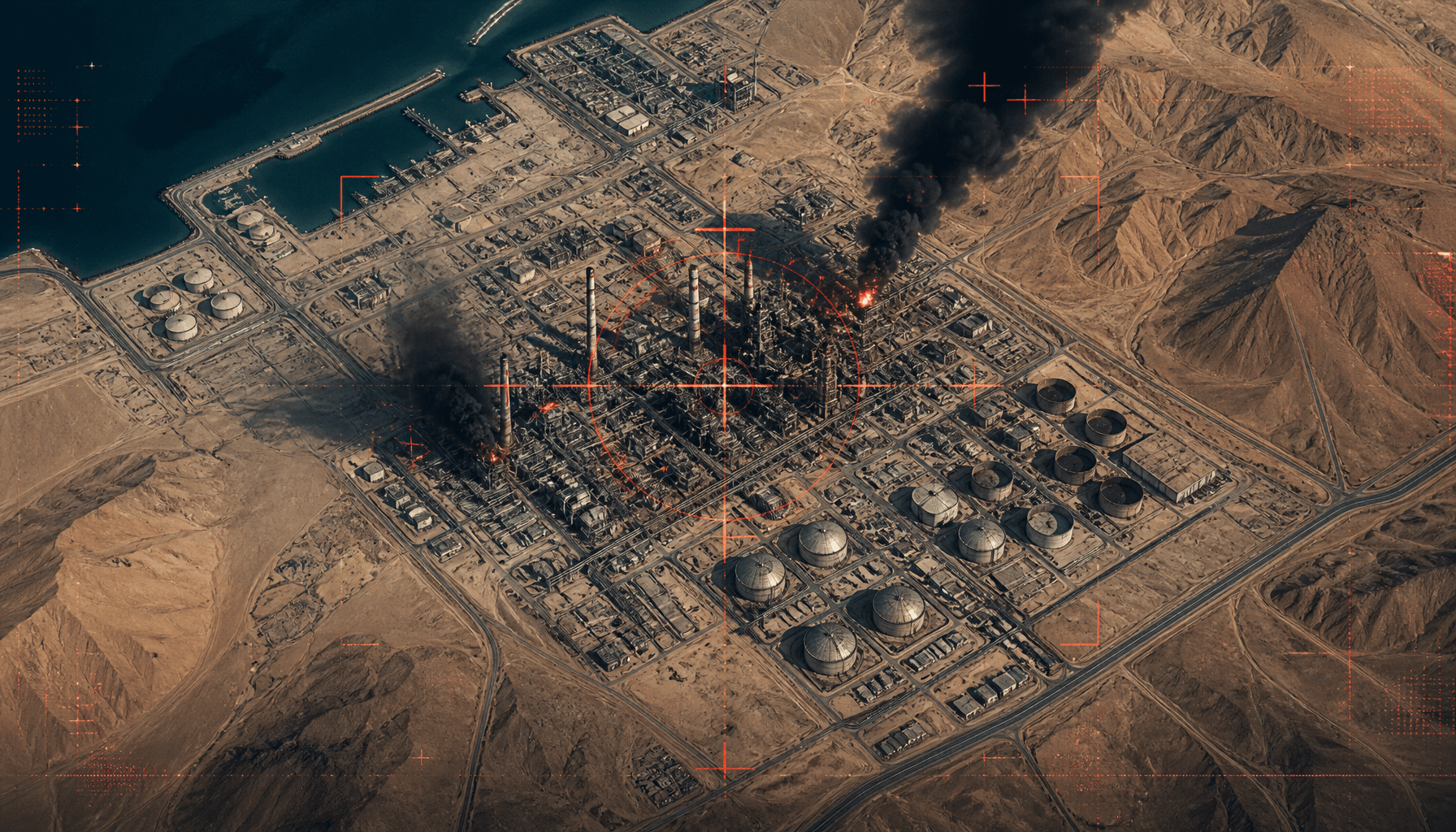
As tensions between Iran and various regional powers continue to escalate, the geopolitical landscape of the Middle East is facing its most severe challenge in decades. Recent reports indicate that Iran has explicitly named critical energy infrastructure in Saudi Arabia, the UAE, Qatar, and Israel as potential targets for retaliation should the United States proceed with new strikes. This development threatens to destabilize global energy markets and pushes regional security into an unpredictable abyss.
Background and Strategic Dilemmas
It has been 150 days since the start of the current conflict, and the decision-making space for the U.S. leadership has narrowed significantly. According to geopolitical analysts, the U.S. is facing a difficult set of options: taking military action risks a full-scale regional war that could disrupt critical oil shipping lanes, while pursuing diplomatic channels might be perceived as a concession to Iran's regional expansion. The Saudi Crown Prince has reportedly urged U.S. leadership to avoid further escalation, highlighting the country's deep concerns regarding regional stability and economic continuity.
Potential Shocks to Energy Markets
Energy markets are notoriously sensitive to geopolitical instability. Iran's decision to name energy infrastructure as potential targets is clearly intended to maximize the cost of any potential conflict. If these vital refining, storage, and transport facilities were compromised, the global crude oil supply chain would face severe disruptions, leading to extreme price volatility. Experts note that as the world's energy hub, any military intervention in the Middle East could trigger a butterfly effect, impacting global inflation and industrial production costs.
Public Sentiment and Search Trends
According to search data, interest in this topic has reached a score of 85 in California and 62 in Taiwan. This indicates that global investors and the public are increasingly concerned about how Middle Eastern instability may affect their financial well-being and international security. On social media, discussions regarding energy security and geopolitical risk have surged over the past 72 hours, reflecting widespread anxiety about potential supply chain chaos.
Future Outlook and Key Observations
The coming weeks will be a critical window for determining the trajectory of the Middle East crisis. Key areas to watch include potential adjustments to U.S. military strategy toward Iran, the intensity of diplomatic mediation by regional powers like Saudi Arabia, and the monitoring mechanisms deployed by international bodies to protect supply chains. In the current complex international system, any miscalculation by either side could lead to a loss of control. We will continue to monitor these developments closely.