Judicial Milestone: AI Copyright Settlement
A US judge has approved a landmark $1.5 billion settlement between Anthropic and publishers over allegations of unauthorized use of copyrighted materials in AI model training. The lawsuit, which involved roughly 14,000 titles from publishers like Bloomsbury, serves as a major judicial benchmark in interpreting "fair use" under US Copyright Law (17 U.S.C. § 107). This settlement provides a critical framework for future negotiations between AI companies and content creators regarding the ethical use of training data.
Legal Debate Over Export Controls
Simultaneously, the US Commerce Department’s Bureau of Industry and Security (BIS) has ignited a significant legal debate over its export control policies. An initial order blocking foreign nationals from accessing Anthropic’s advanced models—later modified after safety guardrails were implemented—raised serious questions about administrative law and due process. Critics argue that the government, by using executive power to control global access to powerful AI, may be overstepping its authority and infringing upon operational freedoms.
AI Governance Under Dual Pressure
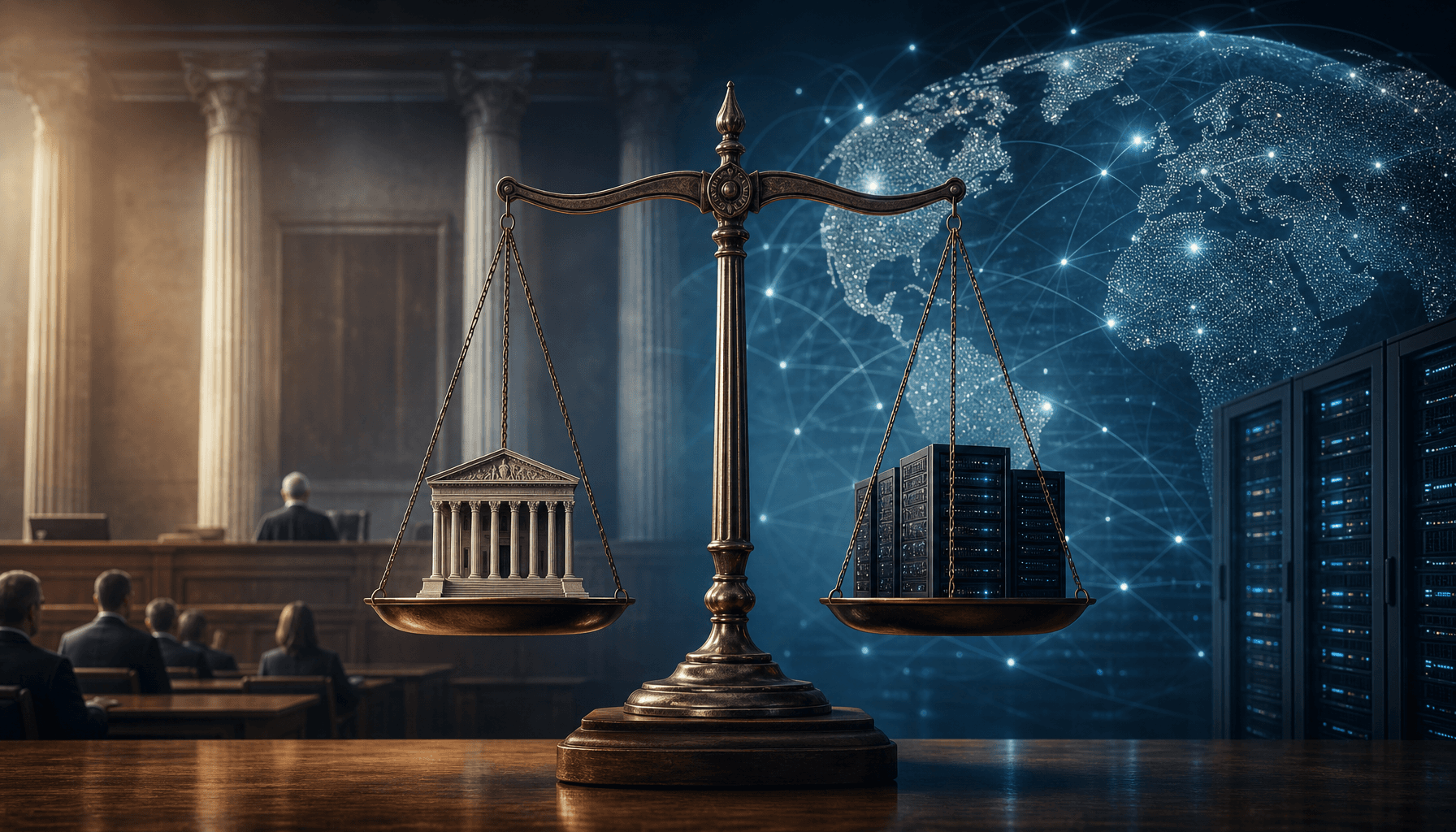
These parallel developments highlight the intense legal and geopolitical pressures facing frontier AI companies. Copyright issues strike at the heart of AI development—the legitimacy of training data—while export controls touch sensitive nerves regarding national security and global technology hegemony. As AI models become more capable, governments are adopting more aggressive regulatory stances. Balancing innovation with intellectual property protection and national security remains the most pressing policy challenge today.
Market Data and Search Trends
According to search data, interest in "AI Copyright Settlement" and "AI Export Controls" reached scores of 72 and 65, respectively, over the past week. This reflects the high level of concern within academic and legal circles regarding AI governance. Data suggests that multinational firms are highly sensitive to these legal shifts, as they directly impact operational continuity and compliance costs across different markets.
Future Outlook
The Anthropic settlement is likely to become a blueprint for future litigation. However, the issue of export controls remains unresolved. As the US increasingly treats AI as a core national security asset, more restrictive measures on frontier AI models are expected. Legal experts suggest that companies should proactively build more robust compliance frameworks and engage with policymakers to mitigate the risks posed by future executive actions. Key developments to watch include potential follow-on lawsuits from other publishers and whether Congress will take formal legislative action regarding AI export controls.