Global Trade Turbulence: US Tariff Overhaul Sparks International Backlash
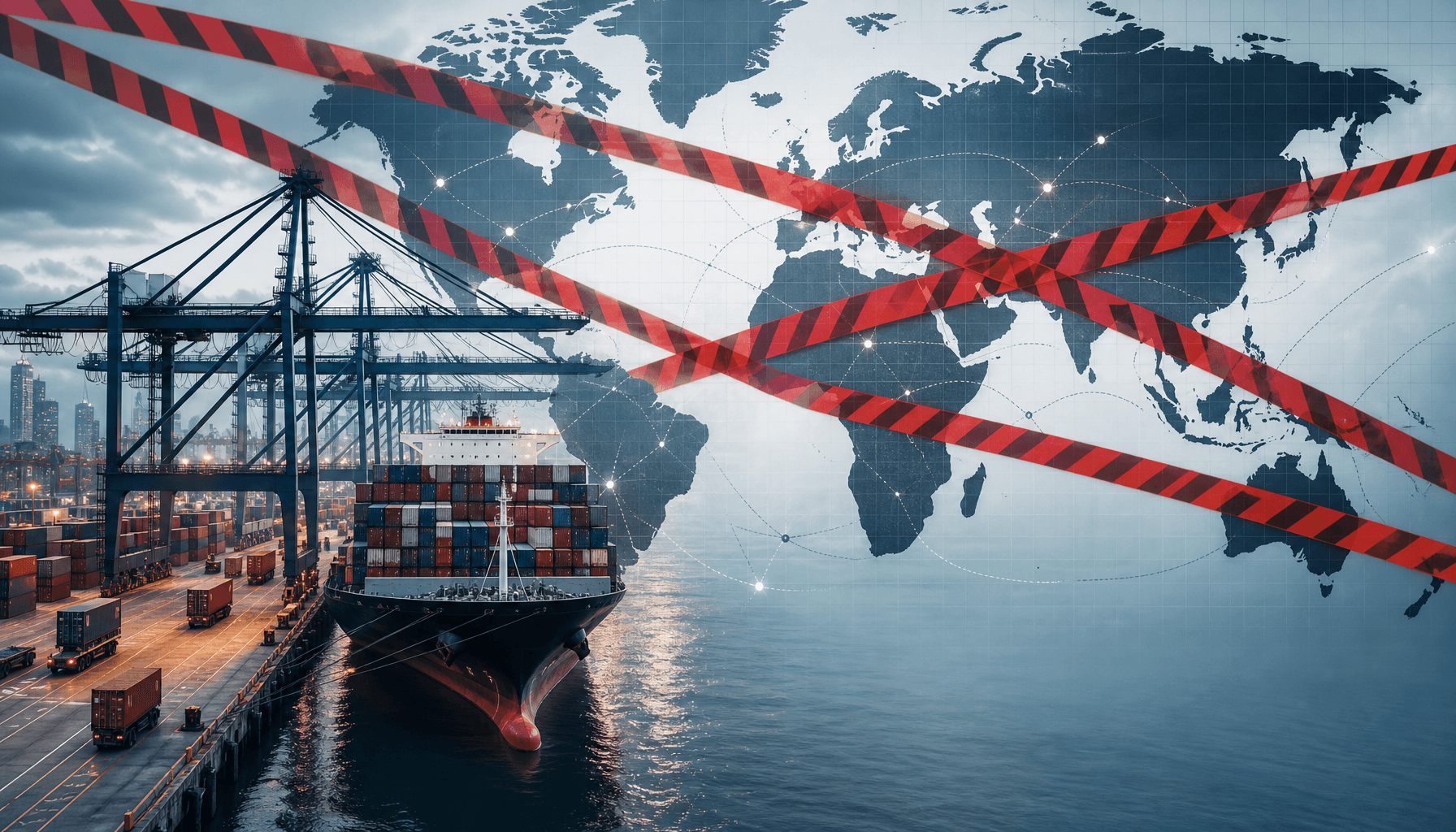
The US has implemented new 10% and 12.5% import tariffs, drawing immediate opposition from China and raising concerns about global supply chain stability.
The U.S. imposed a 10% tariff on 60 trading partners, including India and the UK, citing forced labor concerns. This move sparked global fears of protectionism and potential WTO disputes.
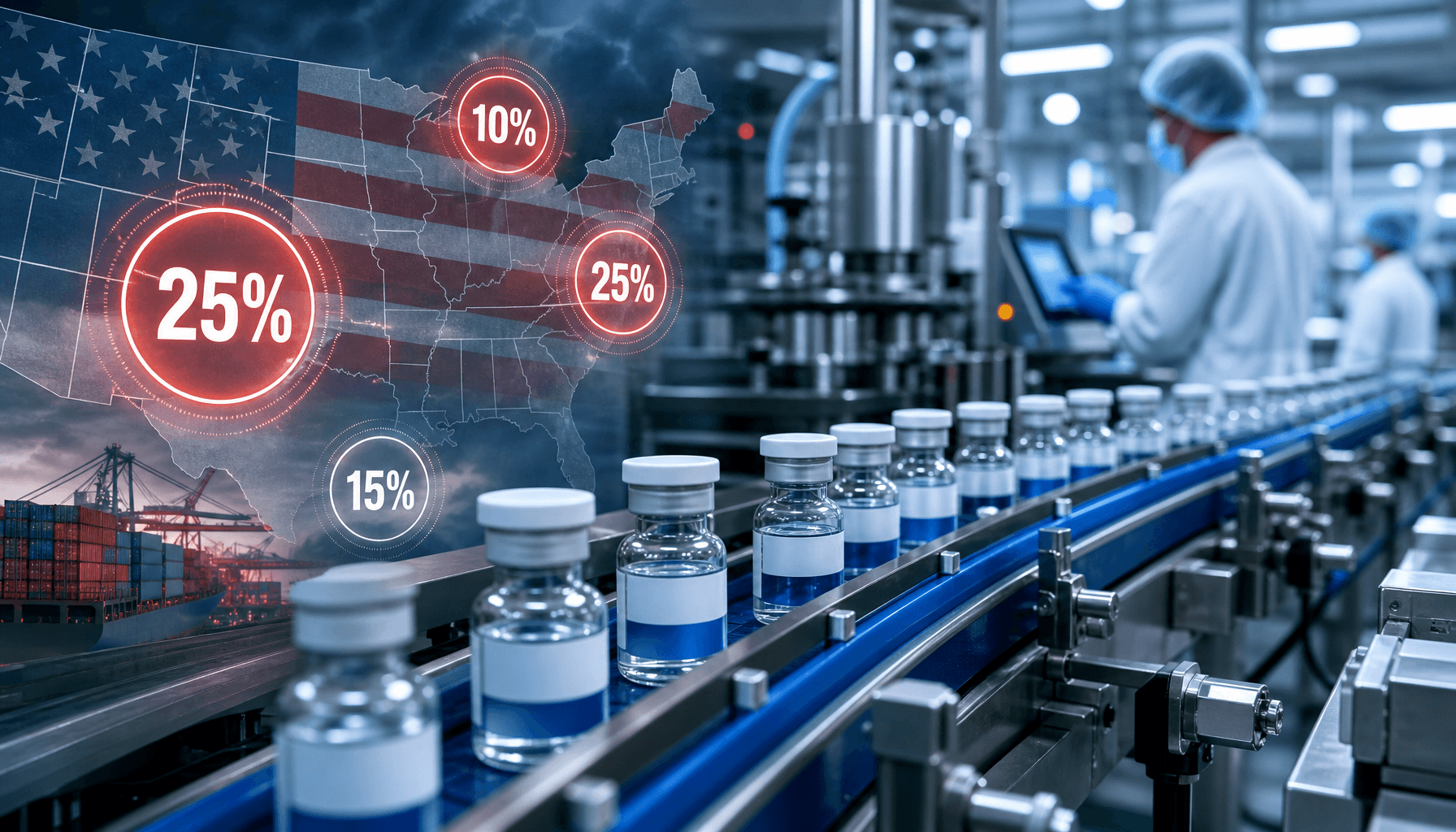
President Trump announced a phased tariff plan for generic drugs, reaching 200% by 2028, to force manufacturing back to the US. Indian pharma stocks dipped, while industry leaders like Sandoz are seeking dialogue. Analysts cite WTO conflicts and potential supply shortages.
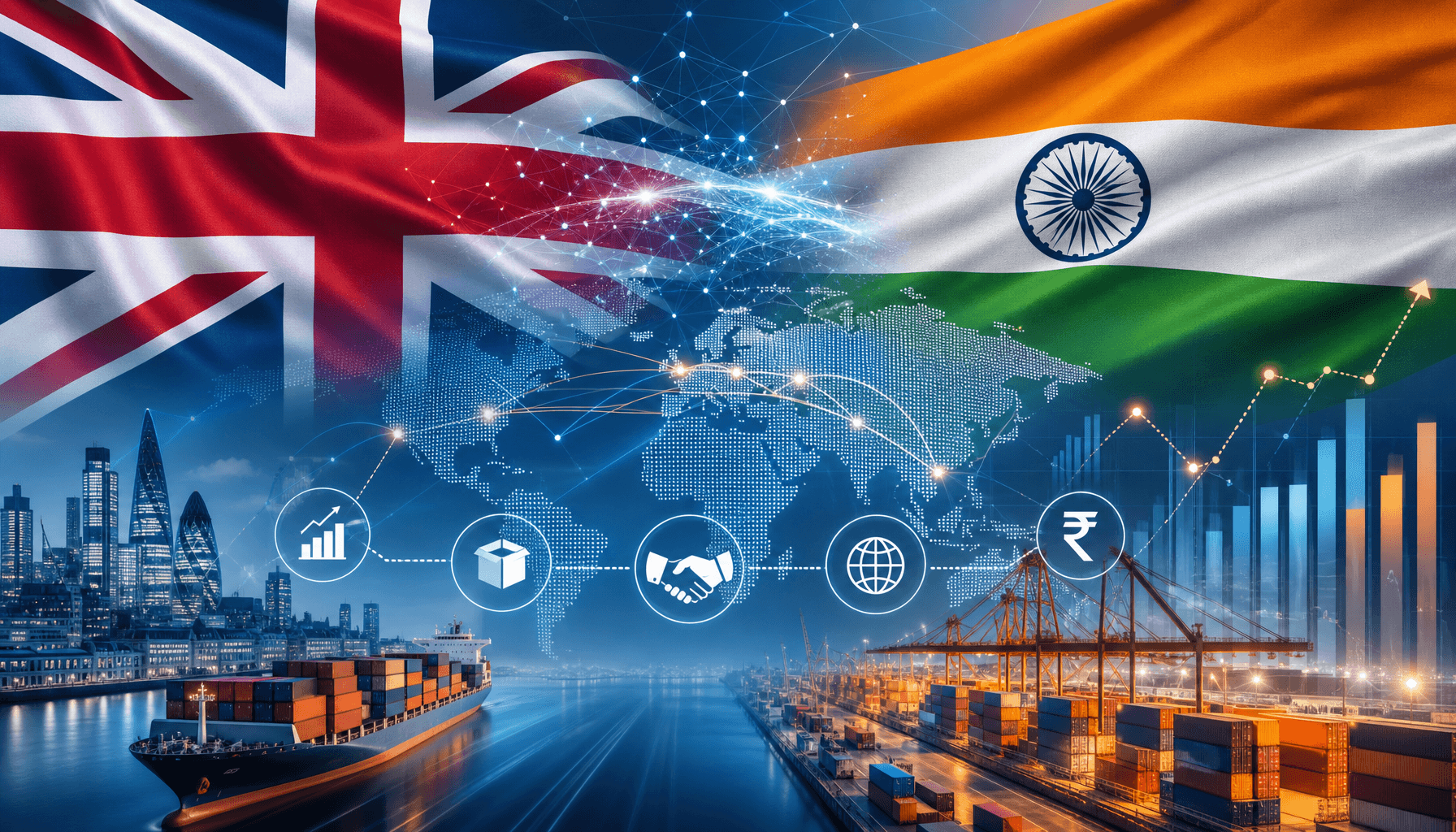
The India-UK Free Trade Agreement takes effect on July 15, granting 99% duty-free access for Indian exports and opening government procurement, marking a major economic milestone.
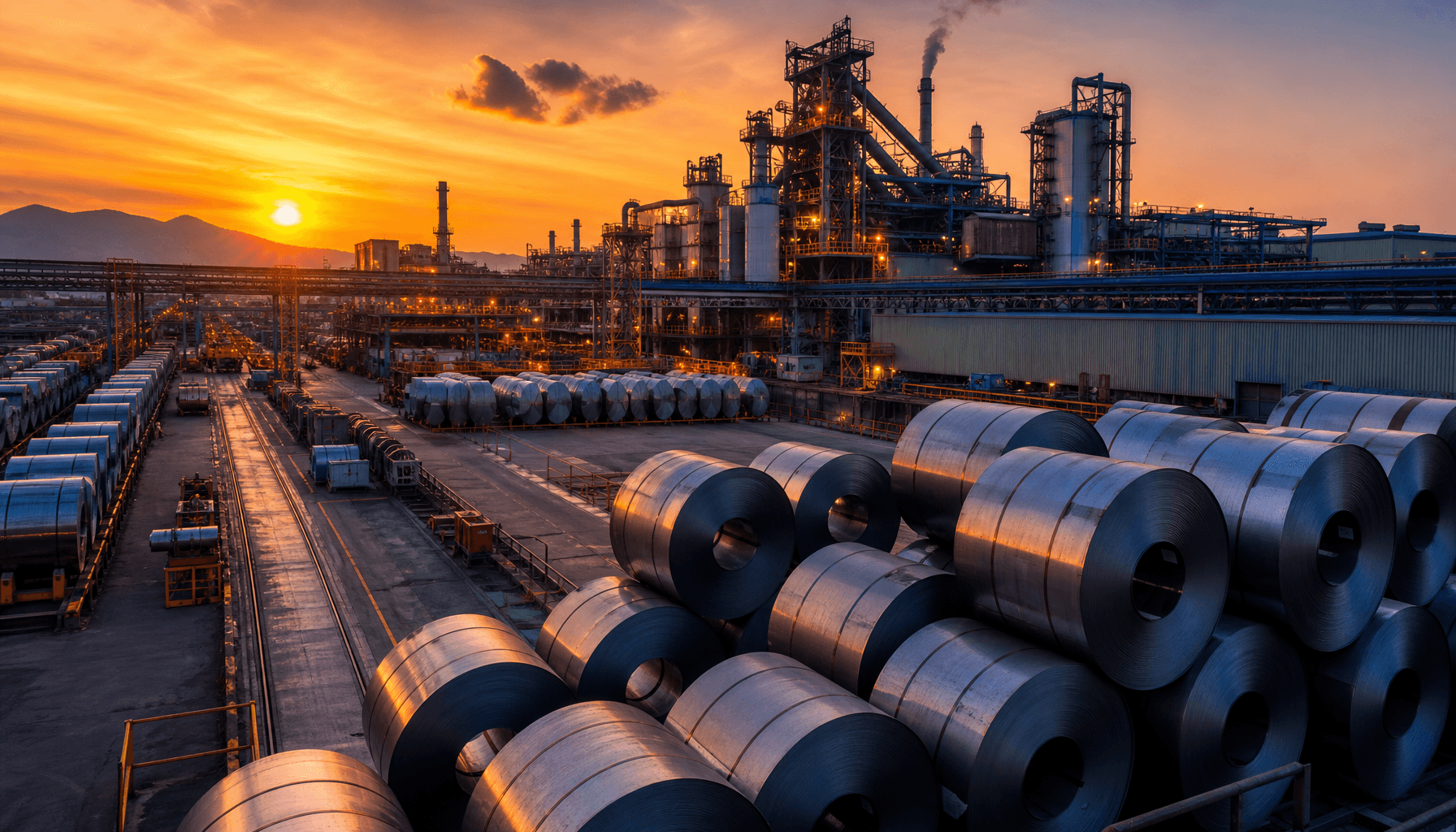
The EU has cut duty-free steel import quotas by 47% to 18.3 million tonnes, imposing a 50% tariff on excess imports. Half of the quota is reserved for FTA partners, signaling rising protectionism and potential WTO legal challenges.
A federal court has ruled the administration’s 10% tariff illegal, while ABC continues to fight an FCC probe, highlighting a broader constitutional clash over the limits of executive power.
Grammarly is under fire for using expert identities for AI feedback without consent, raising major 'Right of Publicity' concerns. Meanwhile, Nintendo is suing the U.S. government for tariff refunds, and Elon Musk has failed to block a California transparency law. These cases signal a major push for legal accountability in AI ethics, international trade, and data transparency.
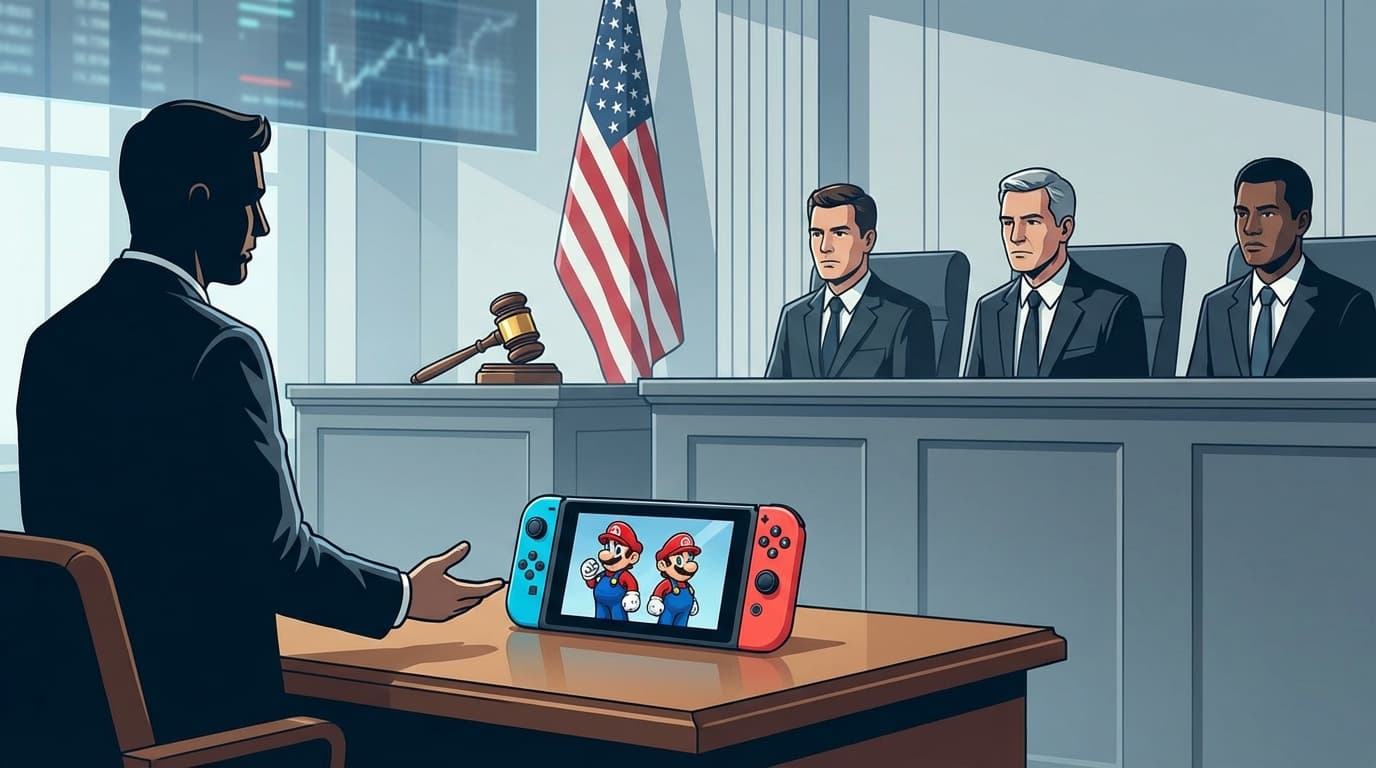
Nintendo has sued the U.S. government seeking a refund for billions in tariffs paid under executive trade orders. Following a Supreme Court ruling that limited presidential tariff authority, this lawsuit could trigger a massive wave of litigation from other tech giants like Apple and Sony, seeking similar restitution.
Nintendo has sued the US government to recover hundreds of millions in 'illegal' tariffs following a Supreme Court ruling. The US Customs and Border Protection has cited technical system failures as a reason to delay the massive refunds, sparking outrage across the tech sector.
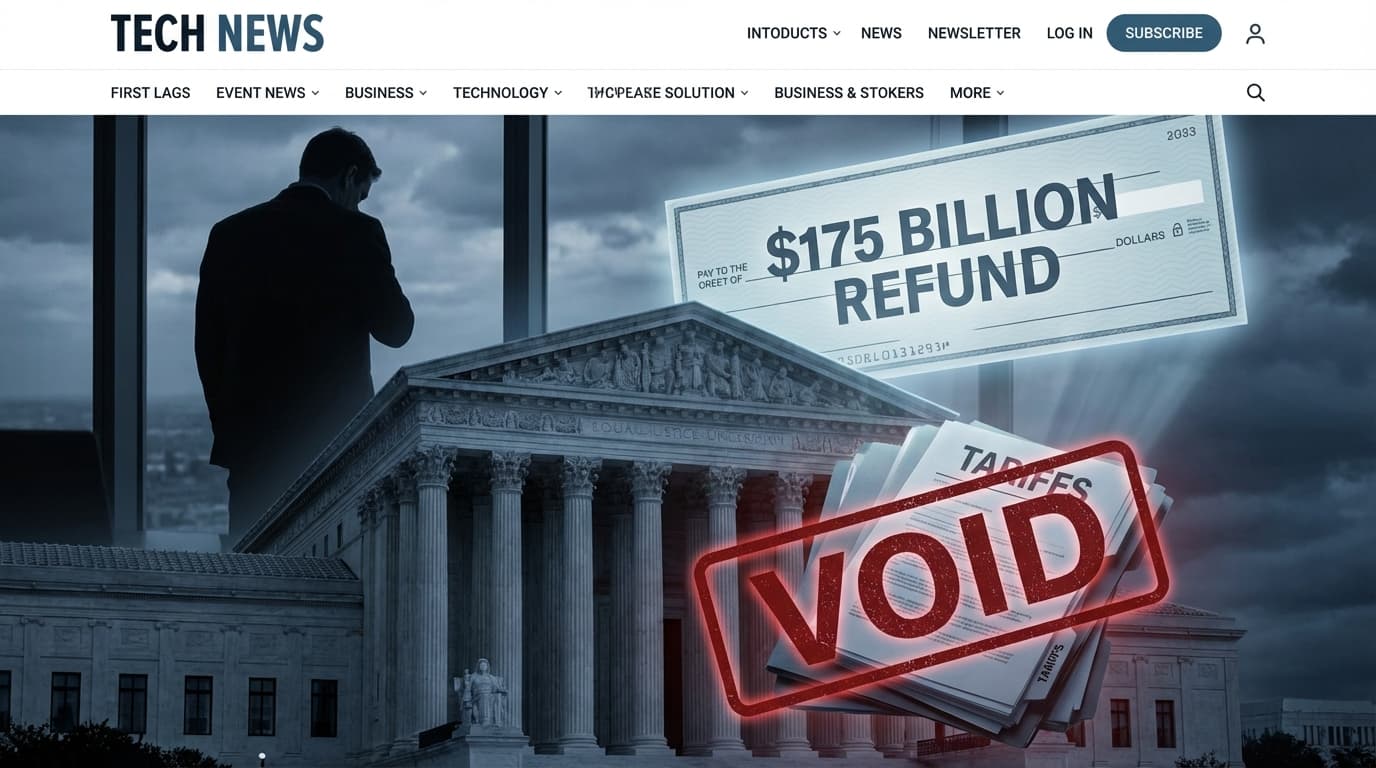
The US Supreme Court ruled 6-3 that Trump's emergency global tariffs under IEEPA are illegal. The ruling may trigger $175 billion in refunds and sets a precedent limiting executive power over trade.