A Diplomatic Turning Point in the Hormuz Strait
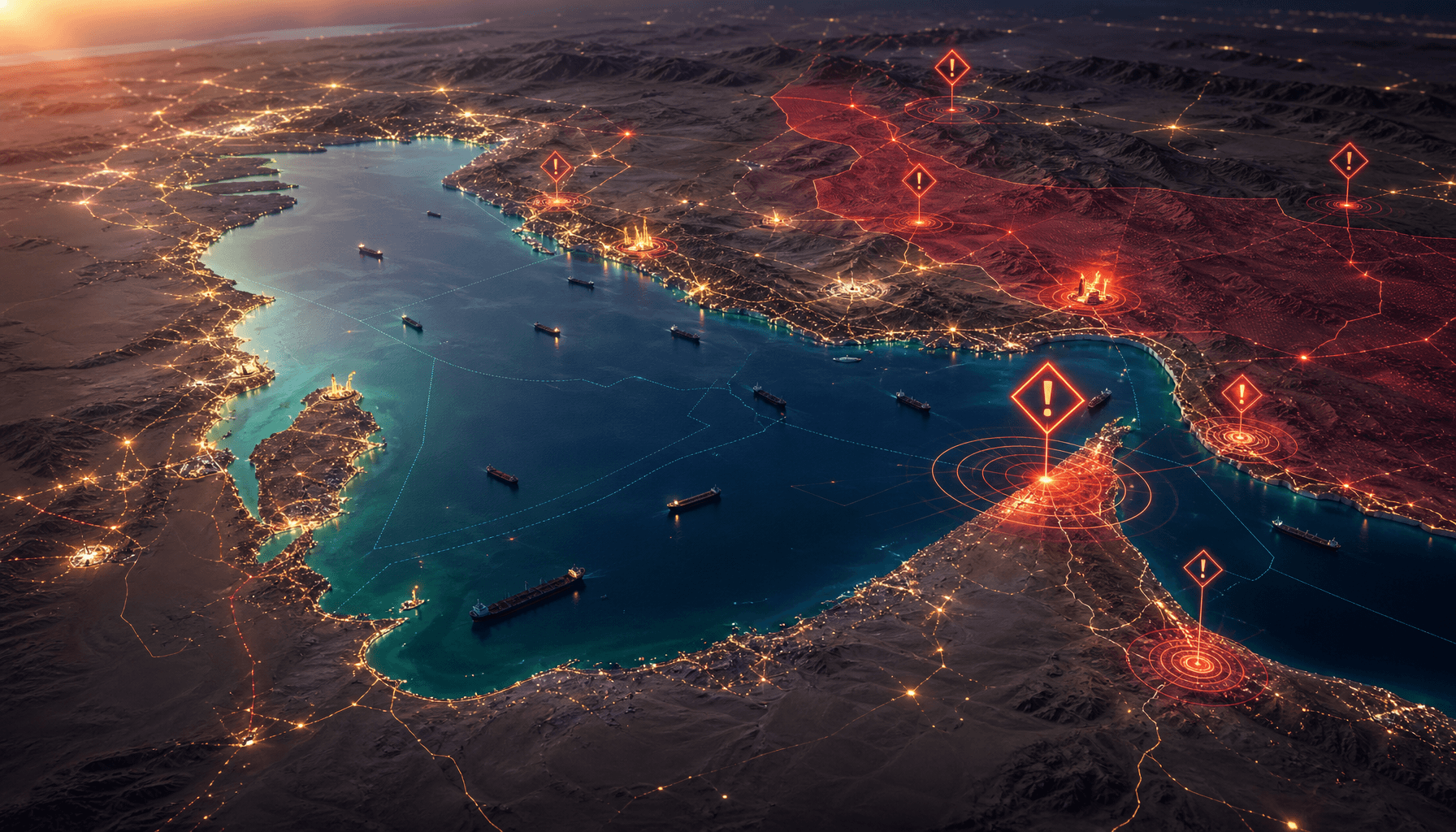
Geopolitical focus has returned to the strategic chokepoint of the Hormuz Strait as reports suggest significant progress in US-Iran negotiations mediated by Qatar. The Emir of Qatar has engaged in high-level discussions with President Trump, aiming to de-escalate regional tensions that have long threatened global stability. This development represents a rare moment of diplomatic momentum in a historically volatile region.
Shipping Security and Demining Initiatives
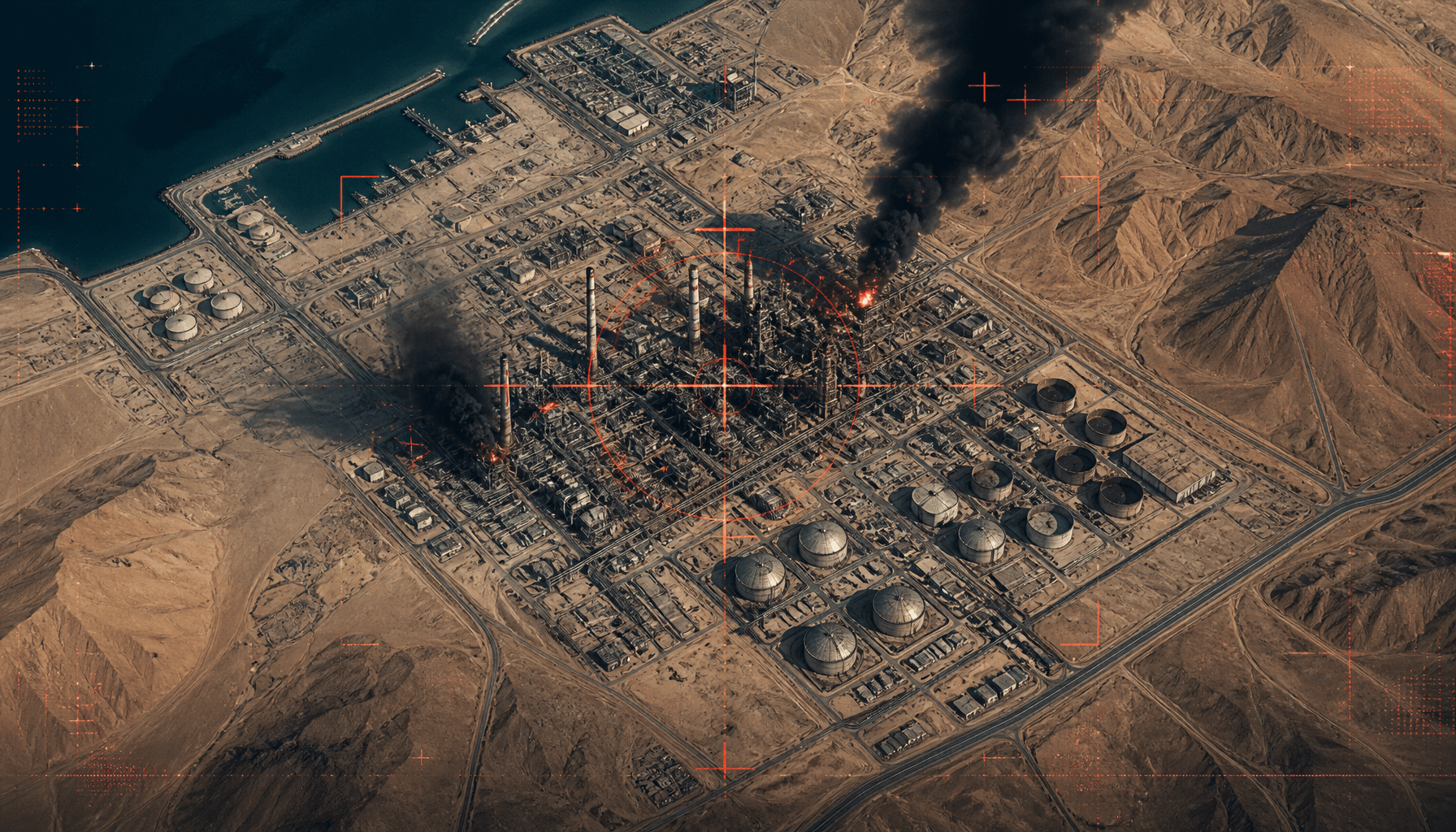
As diplomatic channels remain open, Iran has reportedly signaled a willingness to permit European nations to conduct demining operations within the Strait. This potential concession is critical for international shipping safety, which has been severely compromised by ongoing military friction. Despite this progress, the recent sinking of an Indian-flagged vessel near Yemeni waters serves as a stark reminder that physical security risks persist even as political negotiations proceed.
Market Response and Energy Implications
Global energy markets have reacted swiftly to the prospect of a truce. Oil prices slipped below the $80 per barrel threshold as traders priced in the possibility of reduced supply-chain disruption. The Hormuz Strait remains the world’s most significant oil artery, and any easing of tensions directly impacts the global energy risk premium.
Expert Analysis and Data Insights
According to Google Trends, interest in topics related to "Hormuz Strait" and "Iran diplomacy" has surged, with interest scores reaching 78 in energy-exporting nations and 65 in major importing economies. Analysts caution that while the current diplomatic trajectory is positive, the transition from negotiation to implementation remains complex. Historical precedents suggest that such regional breakthroughs are often subject to periodic setbacks.
Future Outlook and Key Metrics
Stakeholders are advised to monitor upcoming statements from both Washington and Tehran, as well as the formalization of European demining efforts. Future indicators to watch include shifts in global shipping insurance premiums and any subsequent supply adjustments by major energy producers. The stability of the Strait remains a primary variable for global economic health in the coming quarter.