De-escalation and the Diplomatic Pivot
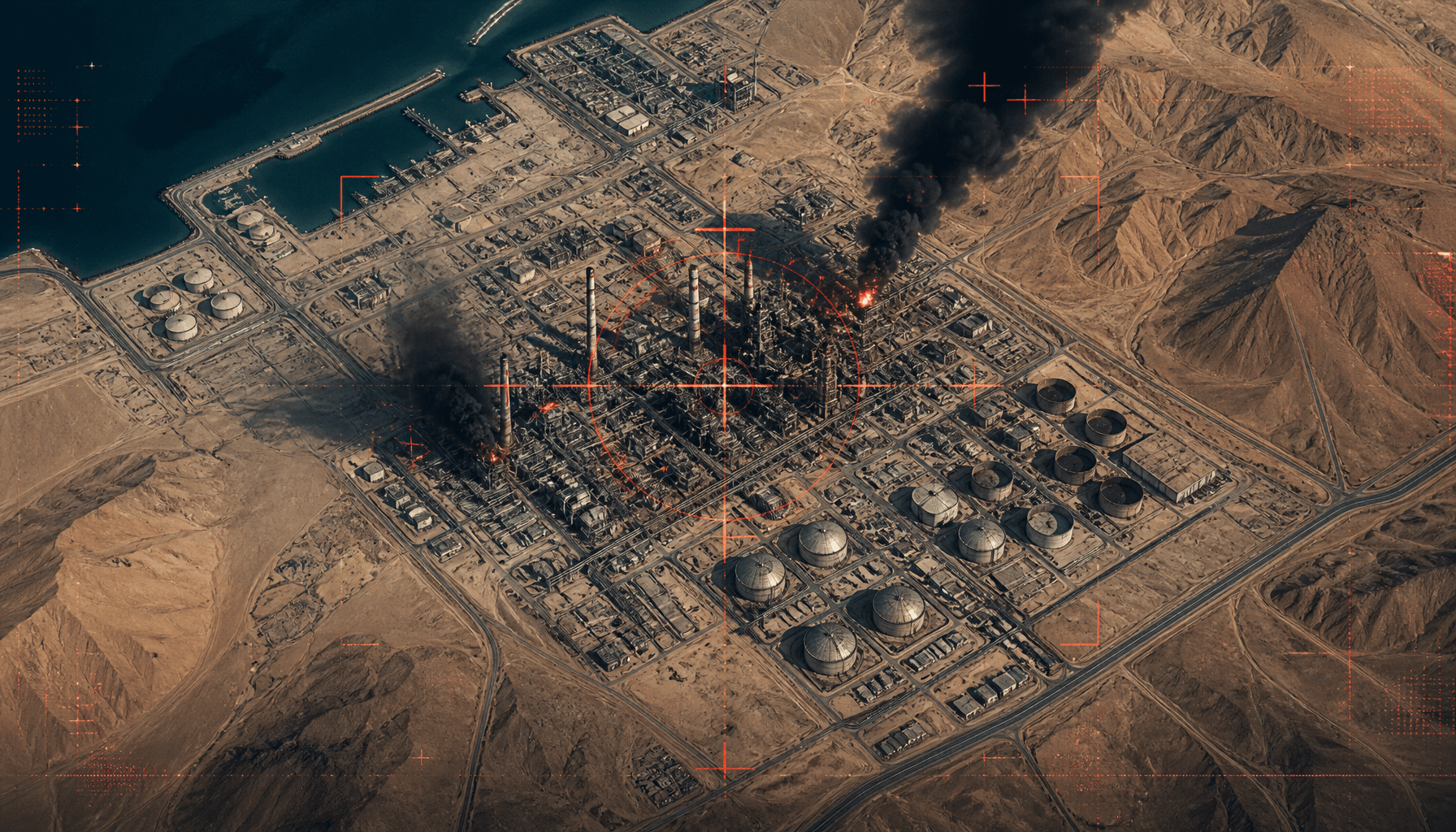
Recent geopolitical tensions in the Middle East have experienced a sharp pivot. Following the cancellation of a significant planned military strike, the United States and Iran are slated to commence new diplomatic negotiations this Monday. This development represents a major shift in the regional security architecture and has immediately commanded global financial market attention. Prior to this, fears of escalating conflict were exacerbated by reports of an explosion near a tanker off the coast of Oman, which triggered severe market anxiety.
Market Sentiment and Capital Flow
In the immediate wake of the announcement, oil prices experienced a notable decline, reflecting a reduction in the geopolitical risk premium that had built up in energy markets. Conversely, gold prices gained momentum, underscoring its role as a traditional safe-haven asset during periods of uncertainty. Market analysis suggests that investors are reallocating capital away from high-risk energy assets toward precious metals, signaling a cautious approach as the market weighs the long-term efficacy of these diplomatic talks.
The Nexus of Geopolitics and Energy
The Middle East remains the central nervous system of global energy supply chains. The upcoming negotiations are expected to address critical issues such as the security of the Strait of Hormuz and denuclearization efforts. Historically, fluctuations in US-Iran relations have served as a leading indicator for global oil supply volatility. The decision to prioritize diplomacy over military action has provided the global economy with a necessary window of stability, though market analysts caution that volatility remains elevated.
Industrial Impact and Search Trends
According to Google Trends data, search interest regarding "Iran tensions" and "oil price fluctuations" has spiked significantly over the past week. In the United States, interest scores reached 85, while in Taiwan, the figure stood at 62, reflecting the global reach of these geopolitical concerns. Energy sectors and commodity traders are closely monitoring the negotiation timeline, as any breakdown in discourse could lead to renewed supply chain disruptions.
Future Outlook and Key Metrics
Looking ahead, the market's primary focus will be the initial communiques emerging from the Monday talks. Furthermore, the assessment of Iran's nuclear activities by international bodies and any developments regarding transit rights in the Strait of Hormuz will serve as critical variables for market performance. Investors are advised to monitor the long-term impact of these geopolitical developments on supply chain resilience and maintain a diversified portfolio to hedge against sudden geopolitical shocks.