A Milestone in Technology: The First Trillionaire
In the annals of the tech industry and capital markets, Elon Musk has once again rewritten history. Recent reports indicate that Musk has officially become the world's first trillionaire. This achievement reflects his long-term strategic positioning across electric vehicles, space exploration, and artificial intelligence, marking the ultimate expansion of private company valuations in the era of AI.
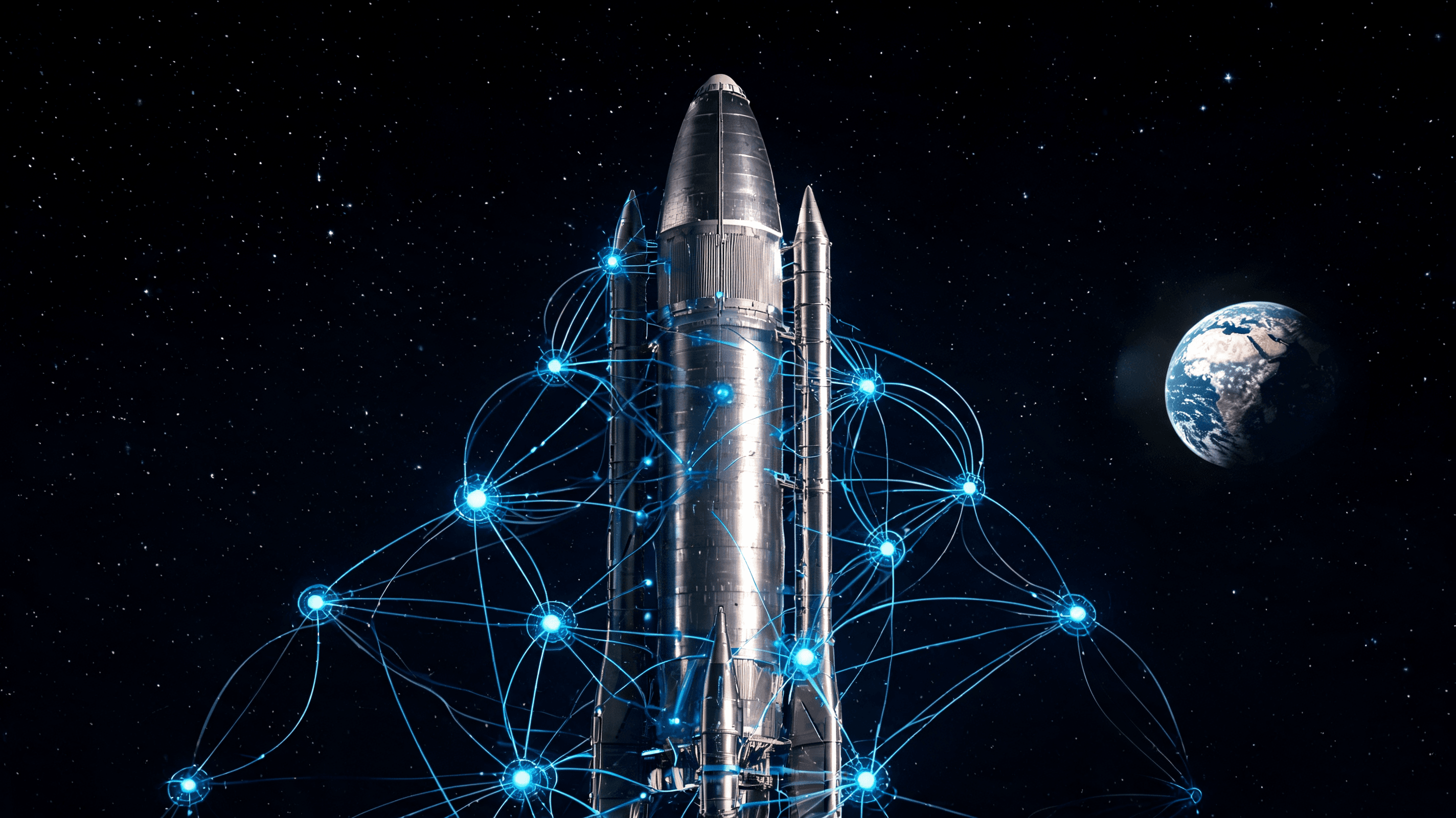
The catalyst for this wealth surge is Musk’s decision to merge his AI research firm, xAI, into the aerospace giant SpaceX. This merger is viewed as a pivotal move to create the world's most valuable private company, deeply integrating the 'brain' of AI with the hardware of aerospace technology.
Strategic Implications of Vertical Integration
Merging xAI into SpaceX is more than a structural adjustment; it is a paradigm shift in technological development. As a leading aerospace contractor, SpaceX’s operations involve massive complexities in decision-making, orbital calculations, and environmental monitoring. By embedding xAI’s advanced models, SpaceX can achieve significant efficiency gains in autonomous flight, real-time communications, and satellite network maintenance. This evolution positions SpaceX as more than a rocket manufacturer, transforming it into an AI-driven data processing and autonomous operation entity.
Market analysts suggest that this integration will drastically shorten technical iteration cycles, solidifying SpaceX’s competitive advantage in both defense and commercial space sectors. However, this extreme level of integration has also sparked industry concerns regarding technical monopolies and supply chain concentration.
Regulatory Challenges and Antitrust Scrutiny
As this merger proceeds, Musk's corporate empire will face unprecedented regulatory pressure. Legal experts suggest that the integration is highly likely to trigger scrutiny by the Committee on Foreign Investment in the United States (CFIUS), particularly given SpaceX’s massive defense contracts with the US government. Furthermore, strict regulations under the Federal Acquisition Regulation (FAR) regarding corporate structure changes and potential conflicts of interest will require Musk to provide highly transparent compliance disclosures.
Experts note that combining AI technology with critical defense infrastructure is highly sensitive from a national security perspective. Balancing technical innovation with compliance regarding defense procurement rules will be Musk’s greatest challenge. Industry analysts are currently monitoring whether the Federal Trade Commission (FTC) will initiate an antitrust investigation into the merger.
Industry Impact and Search Trends
This development has created a massive stir globally. Google Trends data shows that search interest for 'Elon Musk trillionaire' and 'xAI SpaceX merger' has reached a score of 92 in the tech sector, sparking intense debate within tech policy and startup communities. Many observers believe this will initiate a wave of 'AI infrastructure consolidation,' prompting other tech giants to follow suit by injecting software capabilities into their hardware manufacturing businesses.
Future Outlook: The AI-Driven Space Age
Moving forward, SpaceX’s next steps will likely involve leveraging xAI’s capabilities to enhance the autonomous optimization of the Starlink satellite network and potentially developing autonomous intelligent robotics for deep-space exploration. Musk’s ambition extends beyond commercial value to building a complete autonomous ecosystem from the ground to orbit. For investors and regulators, observing how Musk navigates the increasingly complex legal and ethical challenges while pursuing this ambition will be the central theme of the coming years.