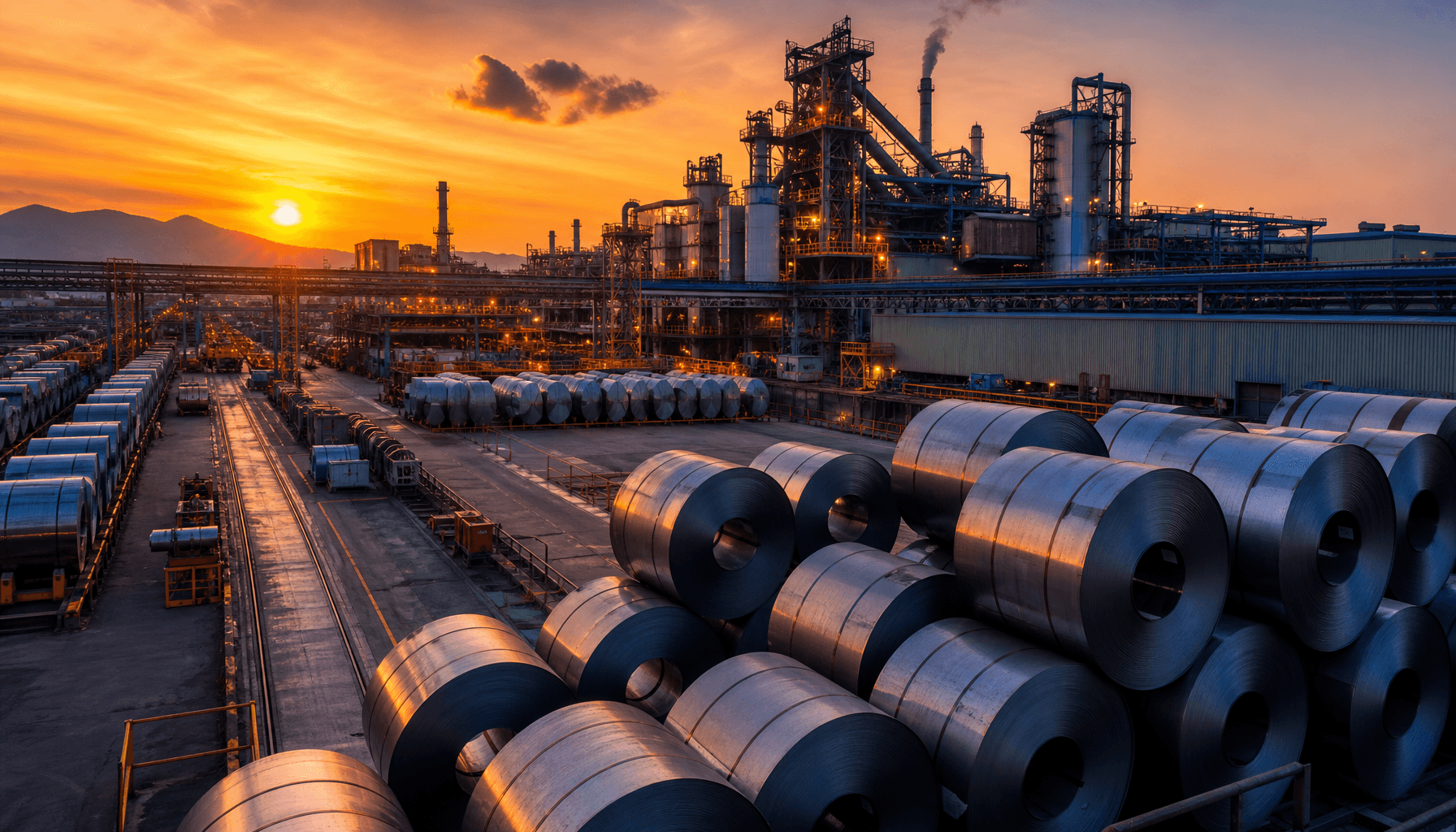
A Pivotal Shift in EU Steel Trade Policy
Facing a critical surge in global steel overcapacity, the European Commission has unveiled a major defensive measure to safeguard its domestic steel industry. The policy centers on a radical restructuring of steel import quotas, cutting duty-free imports by 47% to 18.3 million tonnes annually. For steel imports exceeding these quotas, the EU will impose a 50% punitive tariff. This move marks a significant evolution in European industrial strategy and underscores the bloc’s growing anxiety regarding the stability of global supply chains.
Recalibrating Trade Strategy: The FTA Advantage
Perhaps the most notable detail of this policy shift is the decision to reserve half of the total import quotas for partners with whom the EU has established Free Trade Agreements (FTAs). This mechanism reflects an attempt to balance domestic protectionism with the maintenance of geopolitical alliances. By creating this structural preference, the EU effectively shifts the burden of trade restrictions onto non-FTA nations, particularly those identified as primary contributors to the global overcapacity crisis.
Legal Challenges and WTO Compliance
Under the EU's common commercial policy, such safeguard measures must align with the WTO Safeguard Agreement. Legal scholars warn that prioritizing FTA partners could face intense scrutiny under WTO non-discrimination principles. Should non-FTA countries argue that these measures unfairly restrict their market access, the EU may face significant trade friction. Major exporters like China and India are already signaling potential responses, as their domestic manufacturers scramble to adapt to these restricted entry conditions.
Industry Analysis: Global Trends
Recent data tracking shows a marked increase in interest regarding these quotas. In industrial policy circles in California, the search interest for this topic has reached 85, while in Taiwan, the search intensity for relevant steel supply chain impacts stands at 62. Analysts suggest that the reduced quotas will likely trigger short-term volatility in European steel prices, impacting operational costs for manufacturers across the continent.
Future Outlook: The Rise of Protectionism
The EU's move is more than a simple import restriction; it serves as a precursor to broader green trade barriers. As the EU continues to integrate its Carbon Border Adjustment Mechanism (CBAM), steel trade will become increasingly linked to environmental compliance. Over the coming months, global markets will be watching closely to see if these quotas lead to retaliatory actions from trading partners, and whether other major economies will follow suit in erecting similar protectionist frameworks.