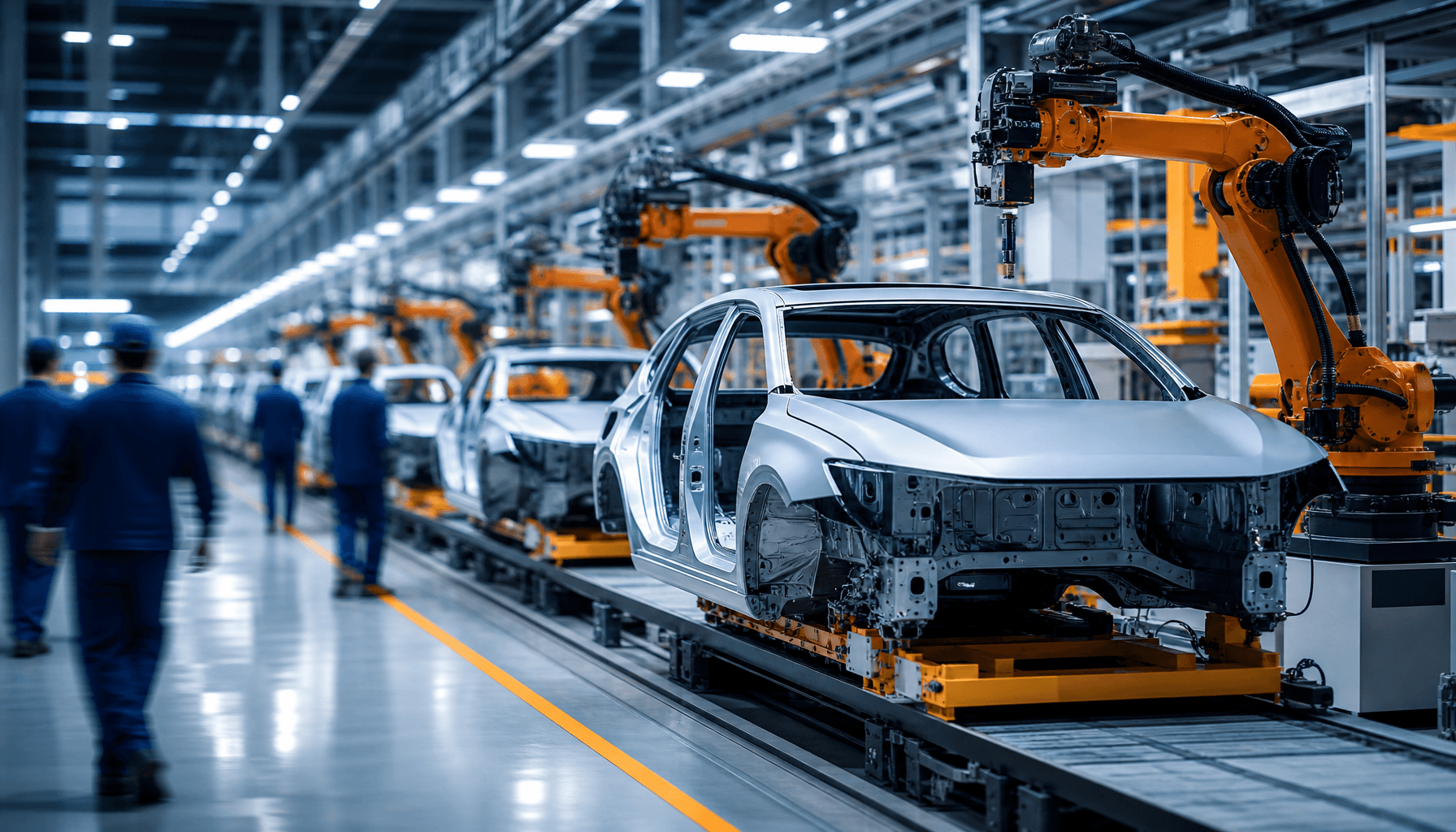
A Survival Battle for an Automotive Giant
Volkswagen has recently shocked the industry with reports that CEO Oliver Blume plans to cut up to 100,000 jobs globally over the next few years. This massive restructuring plan, in addition to the layoffs, includes the closure of four production plants within Germany. This move is seen as the most aggressive self-defense and streamlining effort by a legacy automaker facing the dual pressures of the electric vehicle (EV) transition and intensifying market competition.
The Pains of the EV Transition
the automotive industry is at a historical turning point as it shifts from internal combustion engines to electric vehicles. For a company like Volkswagen, with its massive traditional supply chain and workforce structure, this transition is both costly and painful. The assembly process for EVs is significantly simpler than that of traditional fuel vehicles, leading to a reduced demand for human labor. Additionally, price wars initiated by Tesla and Chinese EV manufacturers have further eroded Volkswagen's profit margins.
Expert Analysis and Market Data
Industry analysts observe that Volkswagen's predicament is a microcosm of the European legacy automotive industry. High energy costs, a rigid labor market, and lagging software development capabilities make the transition exceptionally difficult for traditional manufacturers. Data shows that this topic has reached a search interest score of 92 in Germany, reflecting the massive impact this layoff news has on the local economy and society. Analysis suggests that if Volkswagen fails to improve operational efficiency through restructuring, its global market share faces the risk of a sustained decline.
Legal and Future Outlook
Volkswagen's restructuring plan is bound to face significant pressure from Germany's powerful labor unions. German labor laws impose strict restrictions on large-scale layoffs, and long-term labor-management negotiations are expected in the coming months. Investors are closely watching whether this plan can be successfully implemented and whether Volkswagen can effectively pivot its resources toward software R&D and autonomous driving technologies. This transformation battle will determine whether Volkswagen can maintain its position as a global leader in the automotive market beyond 2030.