Spain Claims World Cup Glory
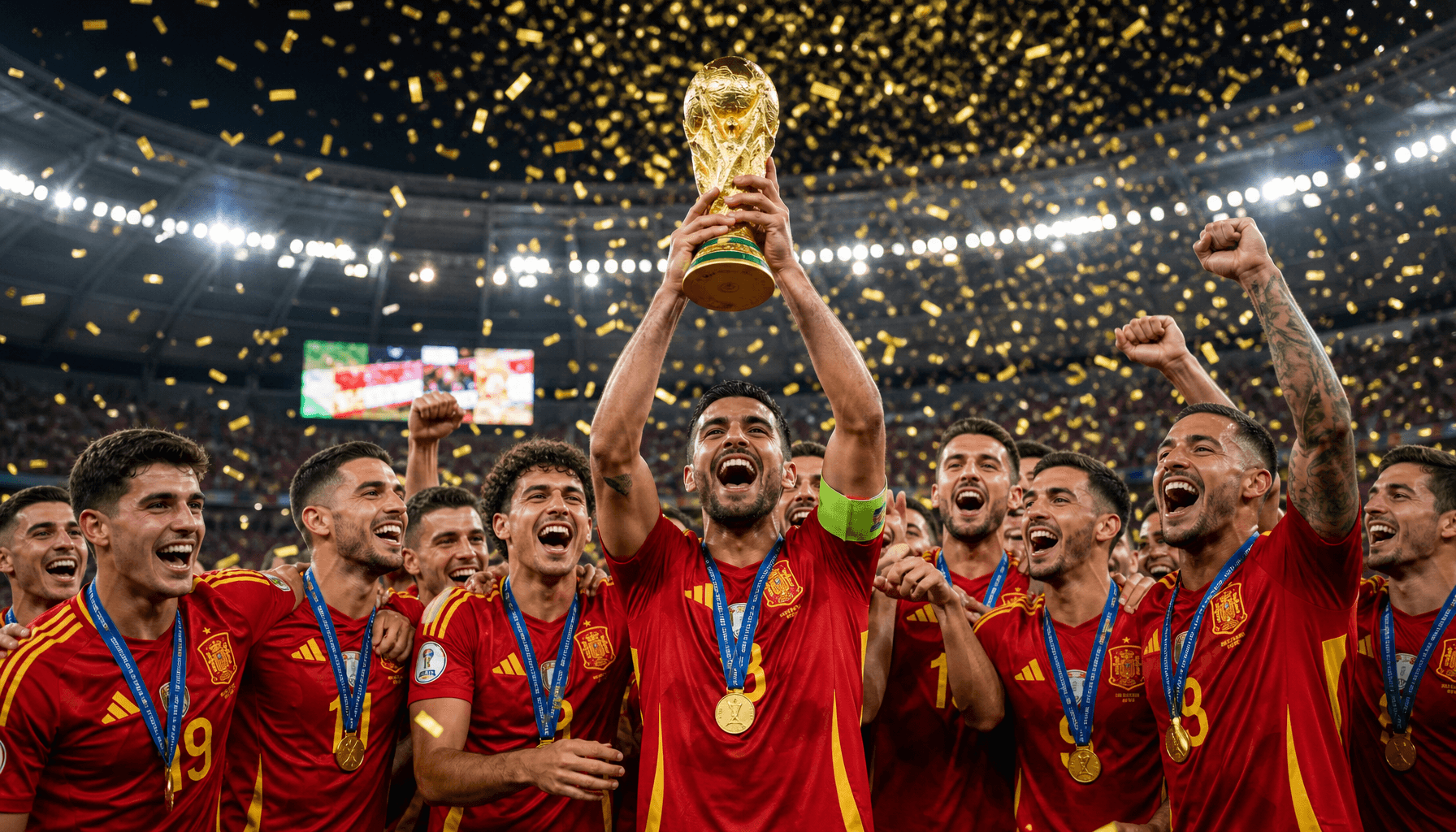
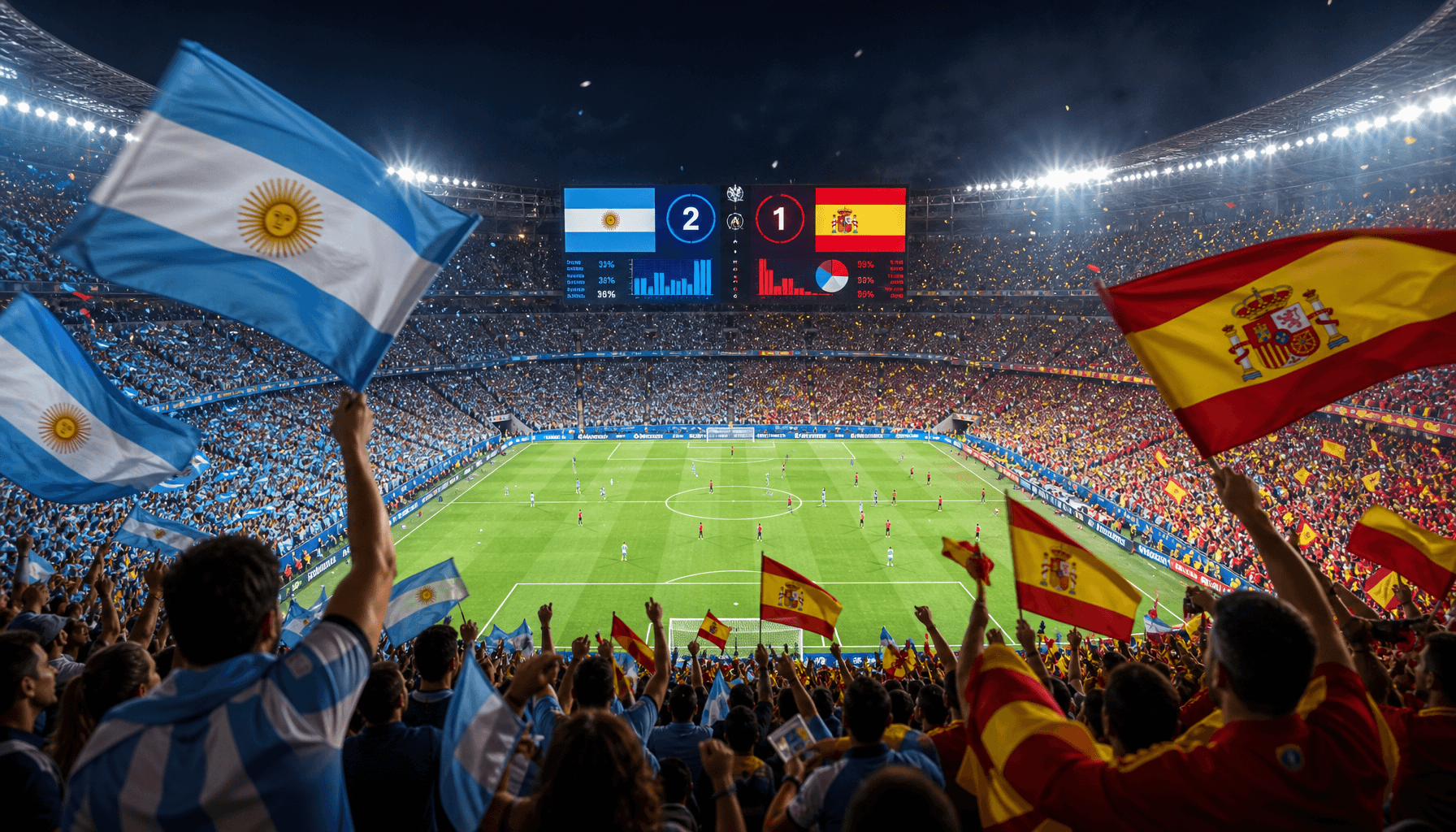
In the final of the 2026 FIFA World Cup, Spain demonstrated superior ball control and tactical discipline, ultimately defeating Argentina 1-0 in extra time with a 106th-minute decisive goal by Ferran Torres. This victory marks Spain's second World Cup title in their history. The final was a clash between the European football system and the traditional South American powerhouse, and Spain's consistent performance throughout the tournament saw them emerge as the victors in a highly competitive field.
The Political Presence at the Pitchside
The final was marked by more than just athletic competition; U.S. President Donald Trump's appearance on the sidelines during the trophy ceremony drew significant attention. As Trump lingered on stage, he was met with boos from the spectators. This incident sparked intense discussion across social media and global news, highlighting the complex interaction between international sporting events and political figures. Although the organizers attempted to keep the focus on the football itself, the participation of political figures often becomes a focal point of public discourse.
Economic Impact of the 2026 World Cup
The 2026 World Cup generated a record-breaking $15 billion in revenue for FIFA, nearly doubling previous cycles. This is attributed not only to the expanded number of participating teams but also to the commercial dividends brought by the United States as a host nation. Media outlets like Wired have noted that the tournament introduced American-style spectacle, particularly in the halftime shows, which integrated sports and entertainment more tightly than ever before, setting a new benchmark for future event planning.
Future Outlook and the Sports Economy
With the conclusion of the 2026 World Cup, the international football industry has entered a new commercial phase. The economic impact and global influence of the event demonstrate the commercial value of football as the world's most popular sport. The key focus moving forward will be on how FIFA sustains this growth momentum in future cycles and how the balance of power between European and South American football evolves in the coming years. For host nations, maximizing the legacy of the infrastructure and brand effect will be the critical challenge ahead.
Conclusion
Spain's victory provides a perfect ending to the 2026 World Cup. Despite the minor political controversy on the sidelines, the tournament was undoubtedly a massive success both commercially and competitively. As the football industry continues to evolve, fans can look forward to more high-level events that continue to captivate the global audience.