A Historic Triumph: The Peak Clash at MetLife
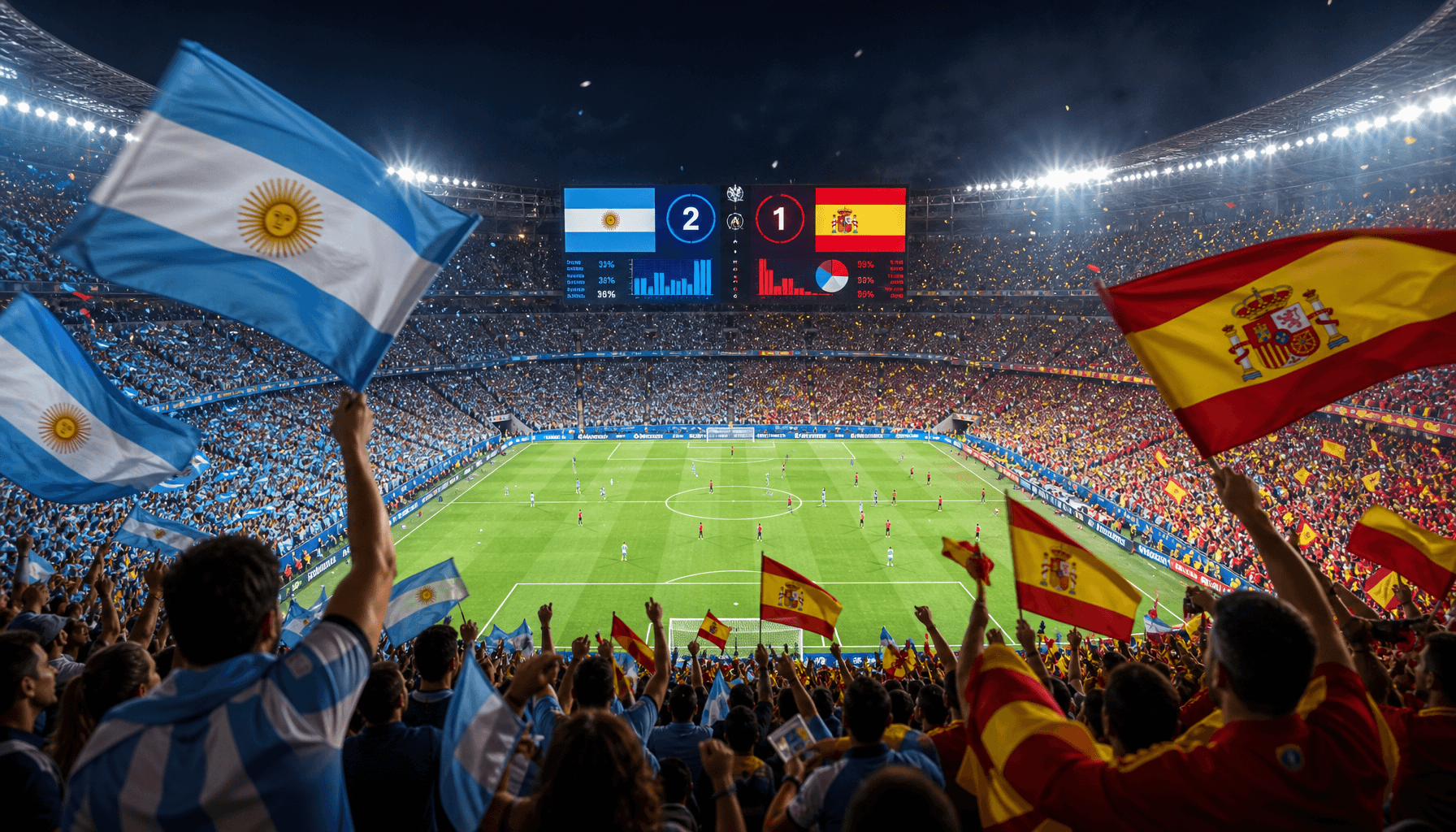
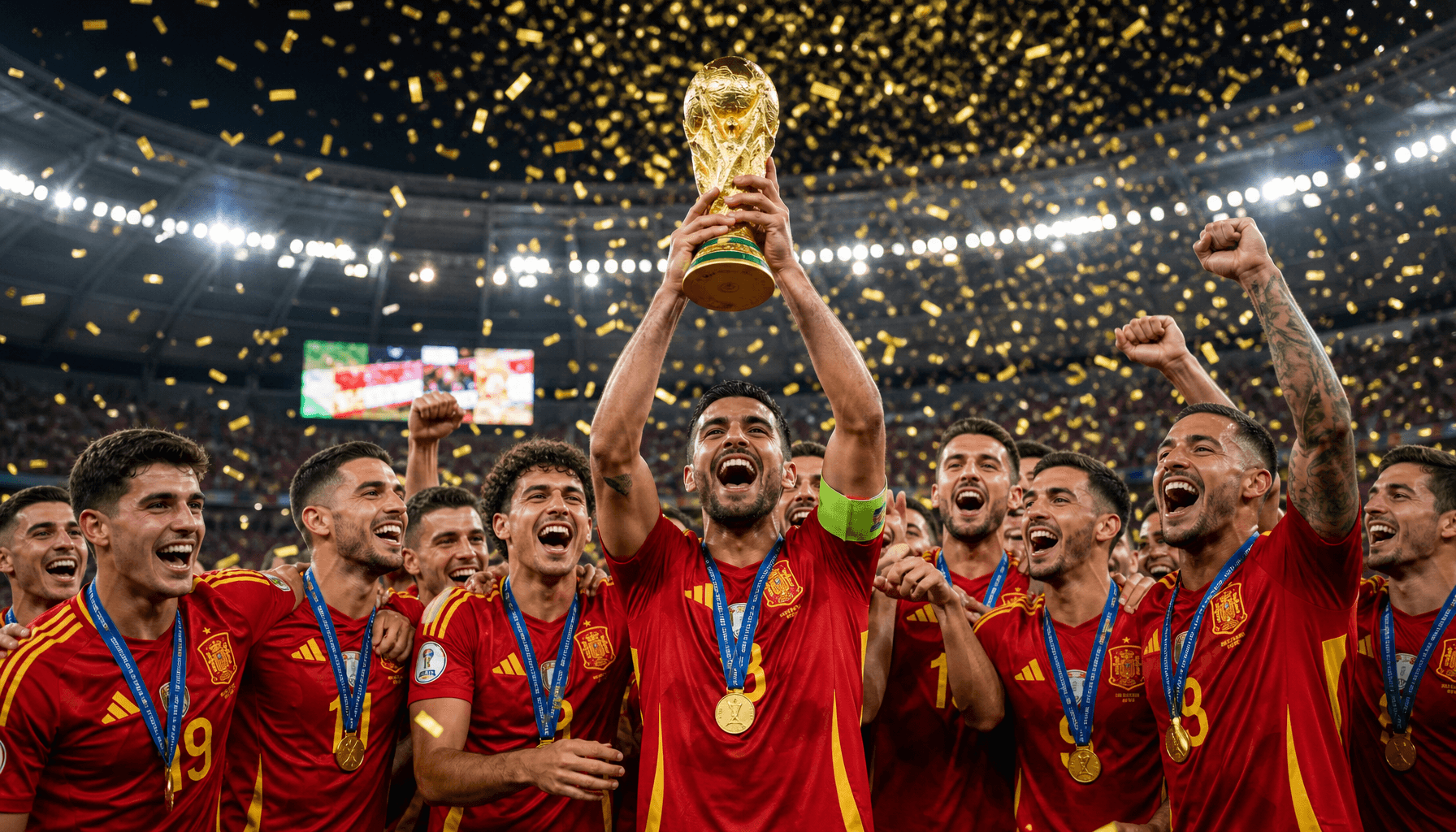
On July 20, 2026, MetLife Stadium became the stage for a defining moment in global sports history. Spain secured the 2026 FIFA World Cup title in a tense 1-0 extra-time victory over Argentina. The decisive moment arrived in the 106th minute when Ferran Torres found the back of the net, ending the deadlock that had persisted throughout regulation time.
Tactical Breakdown and Match Flow
The final was characterized by tactical discipline and high-intensity pressing. Spain maintained its signature possession-based game, looking for gaps in the Argentine defense, while Argentina utilized blistering counter-attacks to force critical saves. The defensive solidity on both ends kept the scoreline blank for over 100 minutes.
Torres’ goal in the first half of extra time was the result of a perfectly timed run and a clinical finish. The goal shifted the momentum entirely, forcing Argentina to abandon their defensive shape. Spain’s defensive transition in the closing minutes effectively neutralized any hope of an Argentine equalizer.
Global Engagement Metrics
Google Trends data indicates massive global interest, with interest scores hitting 98 in Spain and 95 in Argentina. In Taiwan, interest registered at 62, reflecting the worldwide resonance of the event. Social media platforms saw a spike in engagement related to the #WorldCupFinal hashtag, cementing this match as one of the most-watched sporting events of the decade.
Expert Analysis and Statistical Context
Analytical data confirms that Spain’s tournament success was built on an average possession rate of 62%. According to statistical models for high-stakes football matches found in ArXiv research, the correlation between tactical substitution timing and extra-time success is significant; Spain’s coaching staff maximized this advantage throughout the knockout stages.
Significance and Future Outlook
With this victory, Spain becomes the first nation in history to simultaneously hold both the Men’s and Women’s FIFA World Cup titles, confirming its status as a global football powerhouse. For Argentina, the loss is a bitter pill, yet the emergence of a new generation of talent ensures they will remain a formidable force in the coming years.
As the curtain closes on the 2026 World Cup, the focus shifts toward the integration of AI-driven analytics in player development and tactical scouting. The industry is expected to see a surge in investment regarding biomechanical performance monitoring to mirror the elite standards set by the champions.