Background and Latest Developments
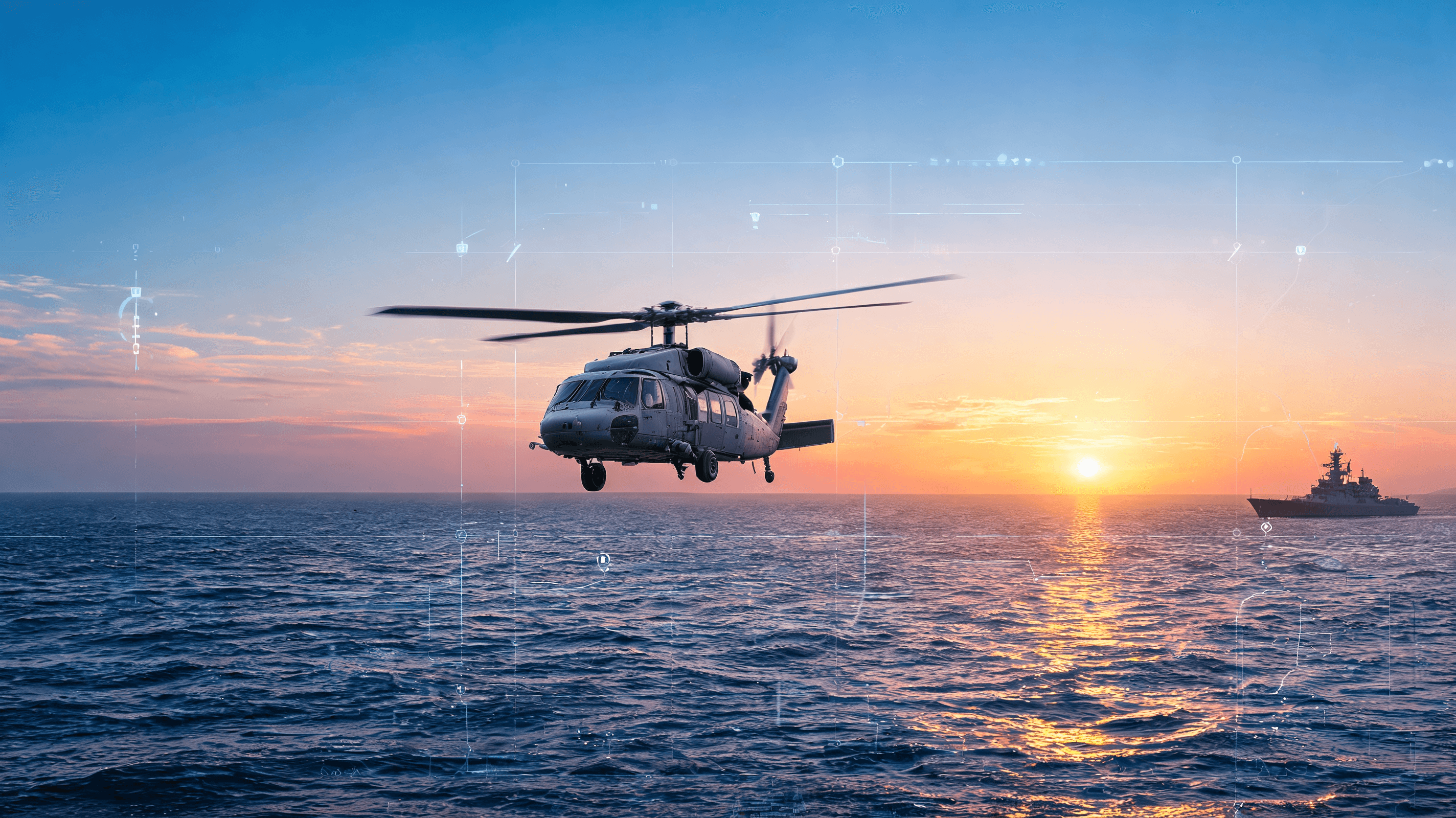
The situation in the Middle East has sharply escalated following a serious military incident in the Strait of Hormuz. According to reports from the BBC and Politico, the US military has launched retaliatory strikes against Iran in response to the downing of a US helicopter in the region. This action is viewed as a major military escalation under the current Trump administration, adding to long-standing frictions.
According to available information, the US military helicopter was shot down while conducting a routine mission. This incident resulted in the loss of US military assets and sparked widespread international concern. The US Department of Defense immediately ordered targeted airstrikes, aimed at Iranian military infrastructure perceived to be linked to the incident. Despite the spike in military tension, President Donald Trump has publicly stated that a broader diplomatic deal with Iran remains "still close," highlighting a delicate balancing act between military deterrence and diplomatic dialogue.
International Law and the Doctrine of Self-Defense
The legality of these retaliatory strikes is a subject of significant debate among international legal scholars. Under Article 51 of the UN Charter, nations possess the right to individual or collective self-defense if an armed attack occurs. However, international law generally stipulates that such force must be necessary, proportionate, and directed at an immediate, concrete threat.
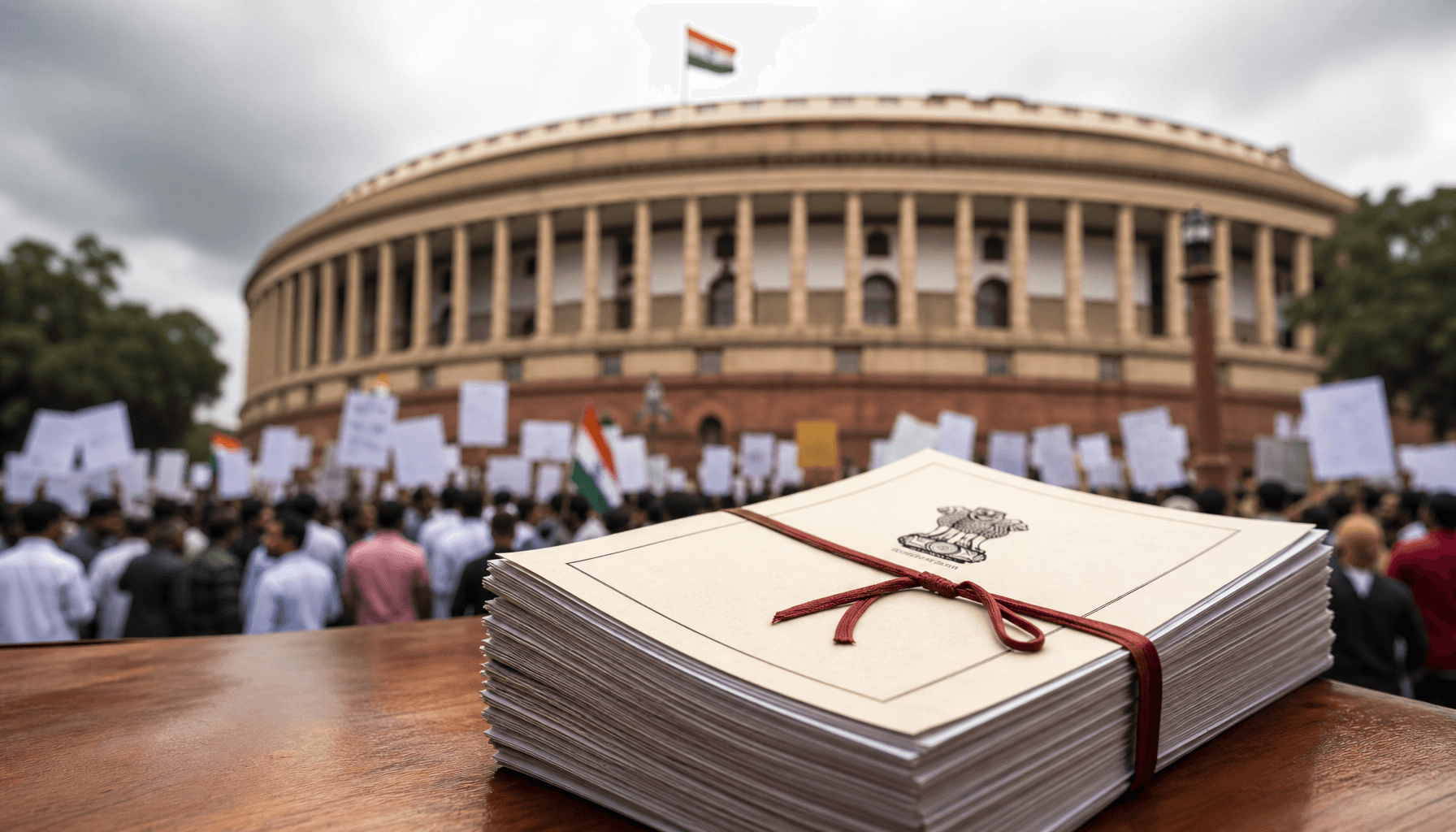
Domestically, the US executive branch often justifies such operations under the Authorization for Use of Military Force (AUMF) or the Commander-in-Chief powers as interpreted in the context of protecting military assets abroad. Nevertheless, legal experts continue to question whether such "retaliatory" actions stretch presidential authority and how they impact the stability of international law regarding state sovereignty.
Market Impact and Data Trends
Google Trends data indicates a high level of global interest in this event. Search interest in California reached 92, reflecting public anxiety over the potential impact on regional stability. In Taiwan, interest hit 78, underscoring concern over the stability of global energy supply chains and maritime trade routes. The crisis has triggered volatility in energy markets, as investors closely monitor potential disruptions in the Strait of Hormuz.
Future Outlook and What to Watch
The next phase will focus on whether either side chooses to escalate military conflict further. While the Trump administration maintains diplomatic channels, continued military provocation could jeopardize any potential for a comprehensive deal. Responses from international bodies like the G7 and regional powers will be critical in the coming weeks. Market participants are advised to monitor energy prices and potential shifts in trade policy.
Frequently Asked Questions
Q: What is the legal basis for the US strikes against Iran?
A: The US cites the doctrine of self-defense under Article 51 of the UN Charter and domestic authority granted to the President as Commander-in-Chief to protect military assets.
Q: What is President Trump's stance on the diplomatic situation?
A: Despite military conflict, President Trump remains publicly optimistic about a diplomatic deal, seeking to balance retaliatory deterrence with continued diplomatic engagement.
Q: What are the restrictions on retaliatory military force in international law?
A: Force must be necessary and proportionate, specifically directed at an immediate threat to ensure legitimacy under international norms.