A Cautious Macroeconomic Outlook
Amidst regional geopolitical tensions and volatile international oil prices, the Philippine economy is navigating a period of uncertainty. The ASEAN+3 Macroeconomic Research Office (AMRO) has expressed caution regarding the country’s economic outlook, citing external pressures from global oil shocks and shifting trade dynamics as significant risks to inflation targets and growth momentum. Despite these headwinds, the Philippine government is actively seeking international partnerships to bolster its domestic economic resilience.
Opportunities in Infrastructure Cooperation
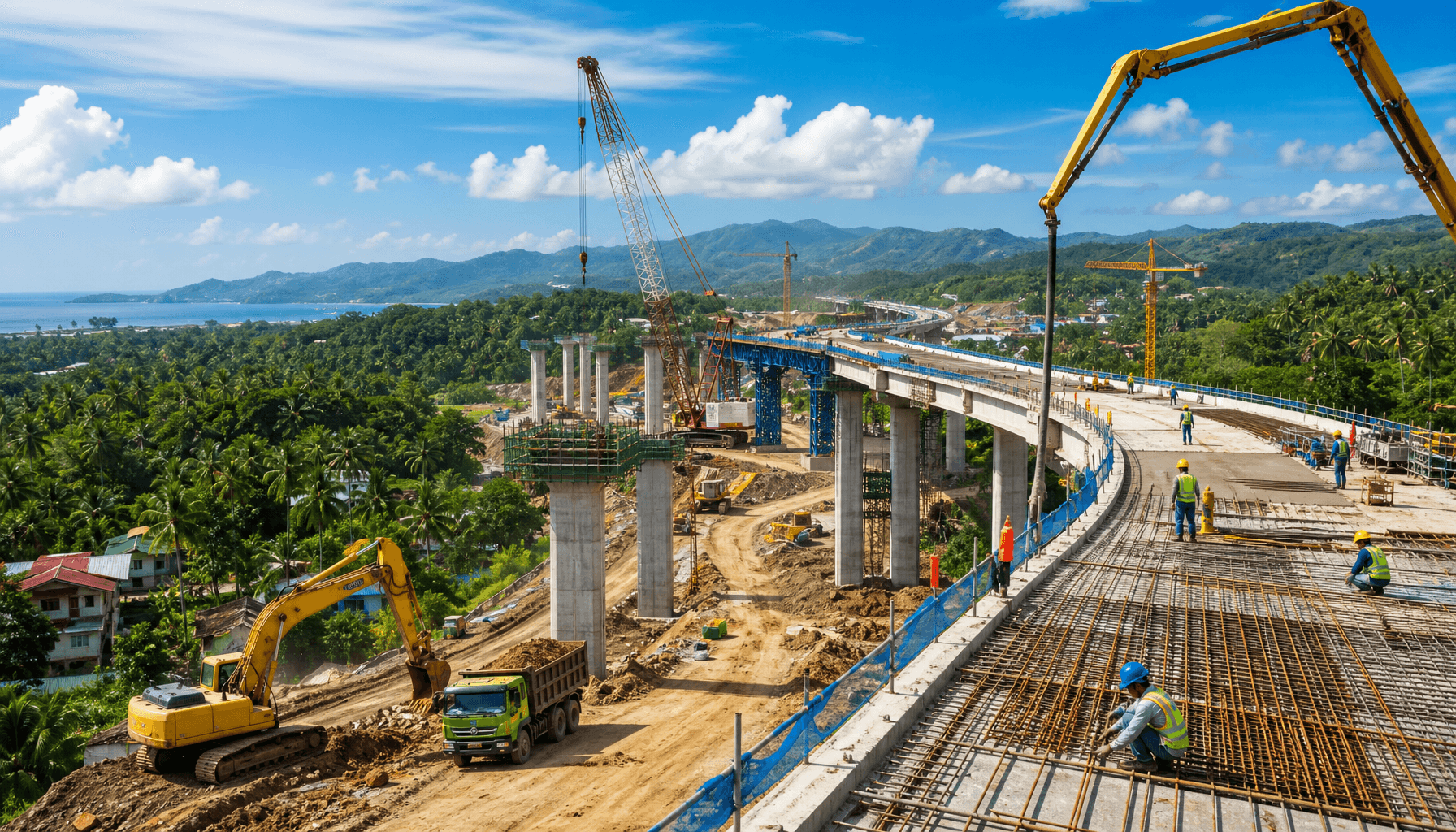
In its pursuit of diversified economic growth, the Philippines has prioritized infrastructure development. Turkey has recently expressed strong interest in participating in major national projects, spanning sectors from agricultural logistics to large-scale public works. This signals a proactive effort by the Philippines to attract Foreign Direct Investment (FDI) and serves as a long-term strategy to reduce logistics costs and enhance export competitiveness. For investors, these infrastructure initiatives represent potential pillars of Philippine economic growth in the coming years.
Market Data and Search Trends
Infrastructure and macroeconomic policies are currently at the forefront of economic discourse in the Philippines. Locally, searches for 'PH Infrastructure Projects' maintain an index of 75, reflecting high public and industrial interest in national development plans. Internationally, investors are closely monitoring how the Philippines maintains fiscal discipline in an environment of high oil prices. Data suggests that infrastructure investment is pivotal in mitigating the supply chain bottlenecks that currently constrain regional trade.
Future Outlook and Policy Direction
Looking ahead, the Philippine government faces the challenge of balancing outward-looking investment policies with the need for domestic price stability. Experts suggest that strengthening infrastructure cooperation with nations like Turkey will help the Philippines diversify its trade risks. Furthermore, monitoring the pass-through effects of oil price volatility on transportation and logistics costs will be a top priority for the Bangko Sentral ng Pilipinas and the Department of Finance in the coming months. Investors should closely monitor upcoming infrastructure bidding schedules and how these projects integrate into the broader economic development roadmap.