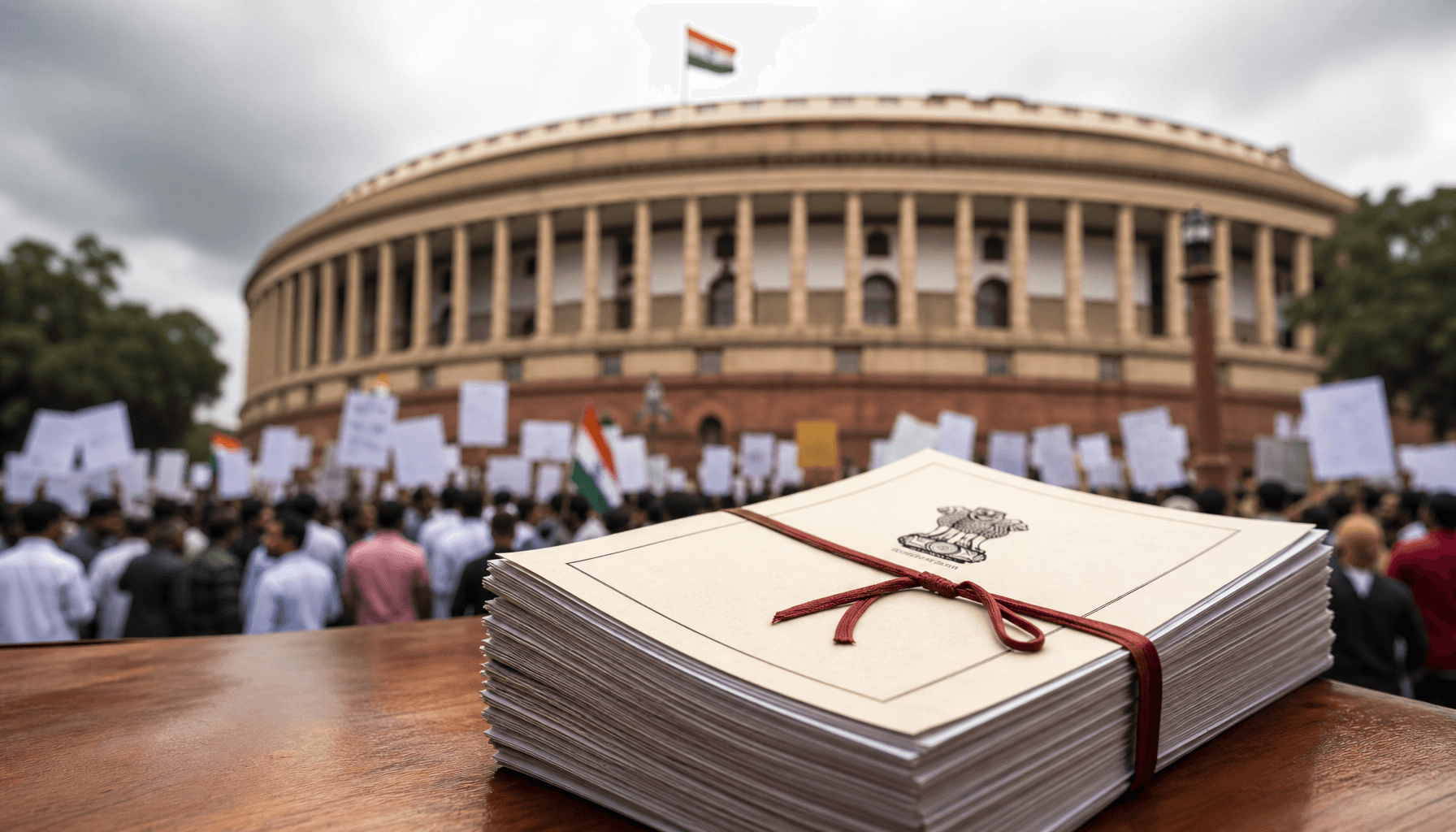
A New Front in Digital Platform Regulation
India’s Parliamentary Standing Committee on Communications and Information Technology has issued summons to top representatives from Meta, Google, X, and Snapchat to appear for a review on August 3. The hearing is set to address critical concerns regarding content moderation, user privacy, and the protection of vulnerable groups on digital platforms. Senior officials from the Ministry of Electronics and Information Technology (MeitY) and the Ministry of Home Affairs will also participate, signaling the Indian government’s intensified push for greater accountability from global tech companies.
Background and Regulatory Focus
The summons follow a series of controversies in India, including reactions to Meta’s removal of content regarding Prime Minister Modi and the subsequent student protests that challenged the transparency of content moderation practices. The Indian government has been actively enforcing the Information Technology (Intermediary Guidelines and Digital Media Ethics Code) Rules, 2021, to find a balance between free expression and societal stability. The hearing is expected to focus on three key areas: the transparency of algorithms in potentially polarizing discourse, the efficacy of platforms in curbing hate speech and misinformation, and compliance with local legal requirements, such as data localization.
Legal and Political Significance
From a legal perspective, the summons is a formal exercise of parliamentary oversight to review the implementation of the 2021 IT Rules. Legal experts highlight that as India’s digital user base continues to grow, social media platforms have become central to the country’s public discourse. By leveraging parliamentary review, the government intends to ensure that tech giants are fully compliant with local laws and that the digital space is not exploited by external forces or extremist groups.
Industry Impact and Public Perception
Tech giants are facing unprecedented regulatory pressure in India. Search interest regarding this topic is high, as the public is increasingly concerned about whether these platforms can protect privacy while effectively policing misinformation. For companies like Meta and Google, the challenge lies in balancing global policy consistency with strict adherence to local Indian regulations. These regulatory hearings are likely to become a recurring feature, forcing these enterprises to fundamentally adapt their operational strategies in the region.
Future Outlook and Monitoring
The outcome of the August 3 hearing will be a key barometer for the future of India’s digital policy. Should the committee find the platforms' responses inadequate, there is a strong possibility that it will push for more aggressive legislative reforms, potentially even revisiting existing intermediary liability exemptions. This would set a significant precedent for the global tech industry, underscoring the necessity for international firms to deeply understand and respect the local regulatory context and political landscape when operating in emerging markets.