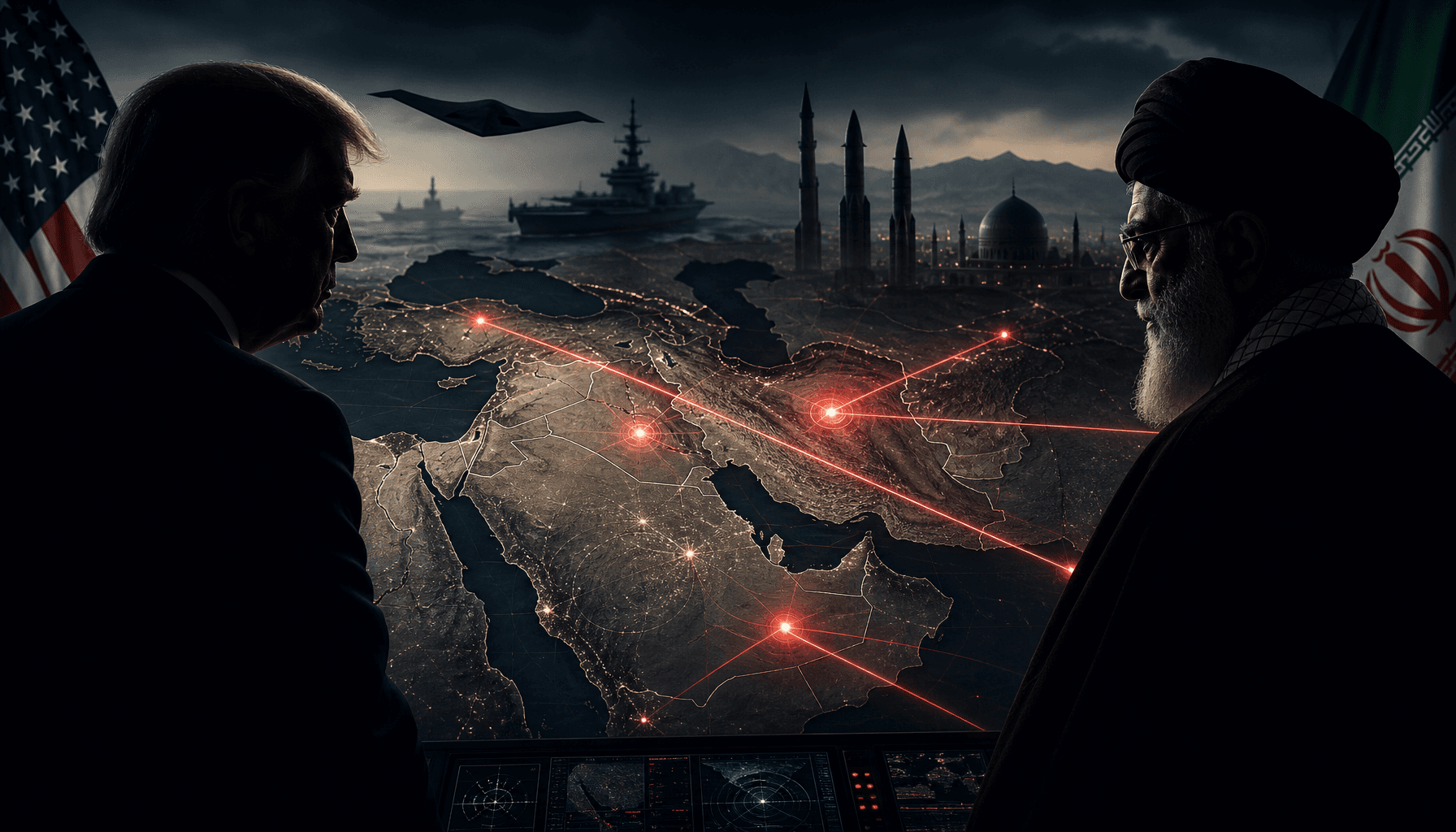
A New Flashpoint in Geopolitics
Against the backdrop of long-standing instability in the Middle East, tensions between the United States and Iran have escalated sharply. According to recent reports, former President Donald Trump has issued a highly aggressive statement, claiming that if the Iranian government acts on its threats, the US has locked and loaded 1,000 missiles aimed at the Islamic Republic. This hardline stance comes as the ceasefire agreement between the two nations has effectively collapsed. While diplomatic channels remain open, the risk of military confrontation has reached a multi-year peak.
The Fallout from Ceasefire Collapse and Assassination Allegations
One of the primary catalysts for this escalation is the recent allegations regarding an Iranian plot to assassinate Trump. Reports suggest that at least one US ally believes Iran was behind the plot. These allegations have sent shockwaves through Washington and directly undermined the fragile foundation of bilateral negotiations. Simultaneously, open calls for Trump’s death during the funeral of the late Ayatollah Ali Khamenei have further fueled hostility, rendering the existing ceasefire unsustainable.
Strategic Deterrence and Expert Analysis
Military analysts suggest that Trump’s mention of missiles being "locked and loaded" is a textbook example of strategic deterrence. However, in the complex chess game of the Middle East, such high-profile military threats often risk backfiring. According to international relations theory and historical data on Middle Eastern conflicts, when mutual trust is absent, military posturing significantly increases the probability of miscalculation. Current reports indicate that while both sides have agreed to continue talks, this appears to be a tactical delay rather than a genuine diplomatic breakthrough.
Market Sentiment and Google Trends
Geopolitical events of this magnitude typically trigger significant movements in risk-off assets. According to Google Trends data, search interest for "Iran conflict" and "Trump missile threat" has reached 92 in the United States, with significant engagement in Taiwan (78) and other financial hubs (70). Market observers note that investors are highly concerned about the vulnerability of Middle Eastern oil supply chains, reflecting the global market's acute sensitivity to potential military conflict.
Future Outlook and Monitoring
The key to the future lies in whether both sides can find a new equilibrium at the negotiating table or whether they will slide into a long-term, low-intensity standoff. The international community is currently watching the diplomatic maneuvers of the UN and regional powers closely. Key indicators to monitor include whether Iran will take concrete military action in response to Trump's rhetoric and whether the US will further increase its military posture in the Persian Gulf. Preventing this geopolitical crisis from escalating into an actual regional war remains the primary challenge for the coming weeks.