Background and Escalation
The military standoff between the United States and Iran has accelerated into a direct confrontation, marking a significant departure from previous proxy-centric hostilities. According to reports from The Economic Times, US forces have launched a series of retaliatory airstrikes against Iranian targets, framed as a "swift punishment" for a drone attack that resulted in the deaths of US service members in Jordan. The epicenter of this escalation is the Strait of Hormuz, a critical bottleneck for global energy transit.
Naval Blockade and Commercial Shipping
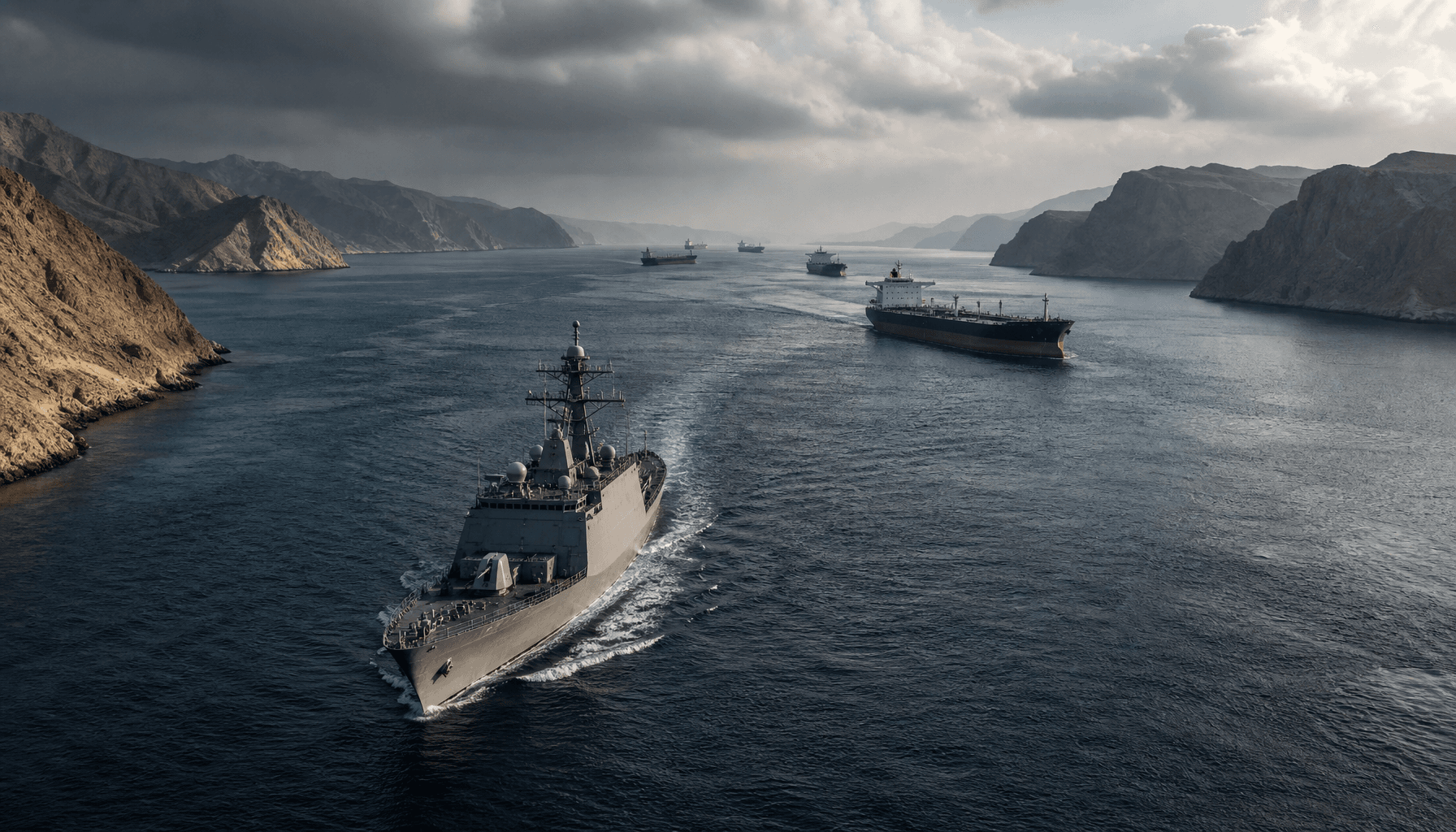
In addition to aerial strikes, the US military has resumed naval blockade operations against Iran, aiming to curb the nation's ability to project military force. Recent evidence indicates that US forces have successfully redirected five commercial vessels and disabled at least one tanker. This move has directly challenged the freedom of navigation in the Strait of Hormuz, causing significant disruption and alarm within global supply chains.
Legal Implications under International Law
The legality of these actions remains a point of intense international debate. Under the UN Charter, a naval blockade can be classified either as an act of war or a proportional defensive measure. If these actions are deemed a response to an armed attack against US personnel, they may be justified under Article 51 of the UN Charter. However, the interference with commercial shipping also implicates the United Nations Convention on the Law of the Sea (UNCLOS). Navigating the fine line between defensive necessity and the violation of international maritime law is currently the central challenge for international diplomats.
Market Impact and Geopolitical Context
Energy markets are notoriously reactive to geopolitical instability in the Middle East. As a transit point for approximately 20% of the world's petroleum, any threat to the Strait of Hormuz triggers immediate market volatility. While global powers are currently in a risk-off posture, the explicit warnings from Iran's supreme leader regarding "unforgettable lessons" should attacks continue suggest that the risk of a prolonged conflict remains elevated, keeping market participants in a state of high alert.
Looking Ahead
Moving forward, the primary indicators to watch are the expansion of the US blockade and Iran's potential use of asymmetric warfare tactics. Whether Iran chooses to escalate by targeting other regional chokepoints or through further disruption of Persian Gulf shipping will determine the next phase of this crisis. The international community's ability to mediate, coupled with how major energy importers manage their supply chains, will be the decisive factors in the coming weeks.