Background and Geopolitical Context
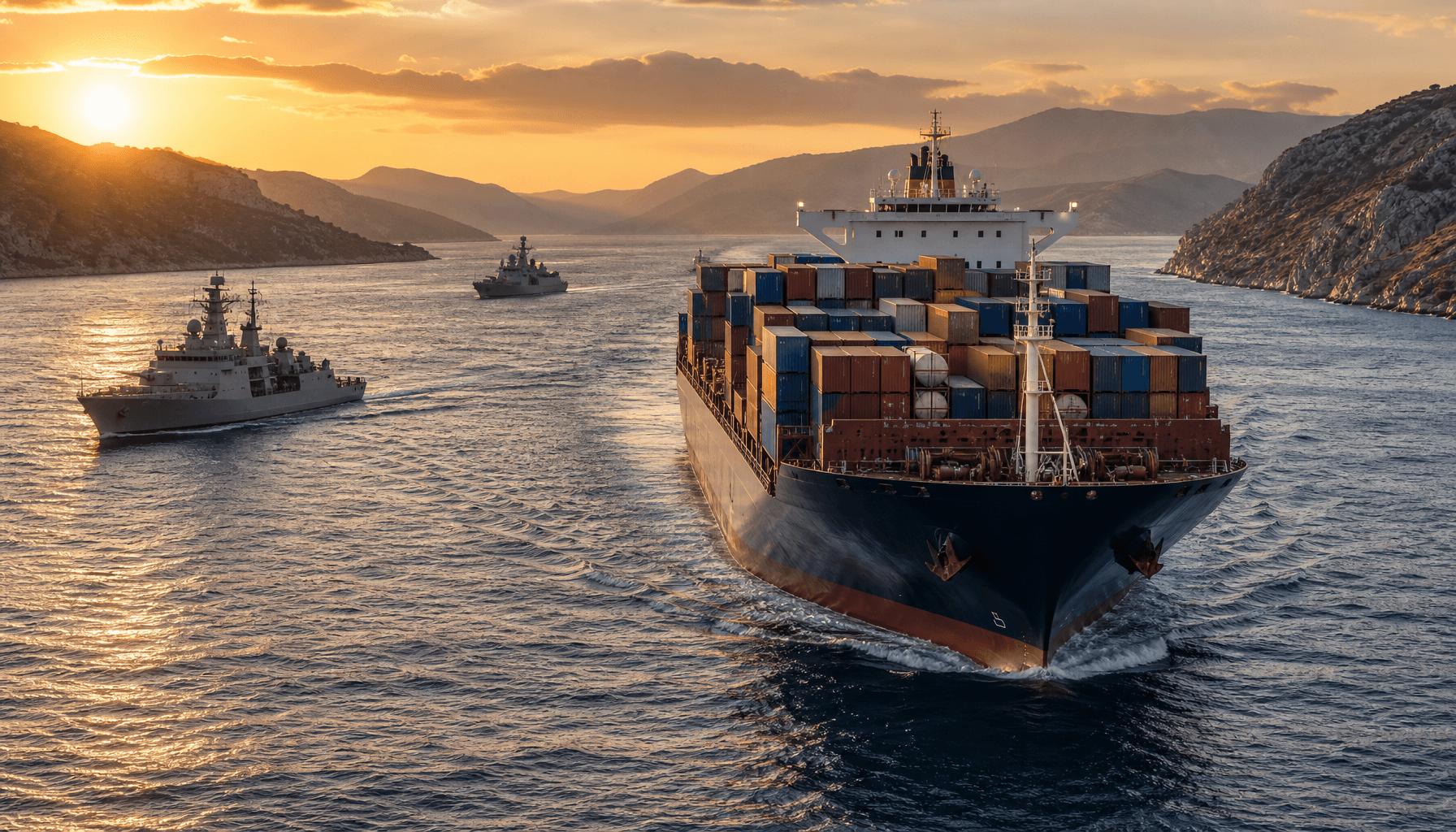
Since late July 2026, the military friction between the United States and Iran has escalated into a sustained geopolitical crisis, exerting tangible pressure on global supply chains. According to reports, US missiles struck Iranian targets on July 24, and the US military fired upon a merchant vessel attempting to breach a blockade of Iranian ports. The conflict has now spanned 13 consecutive nights, with Houthi involvement further destabilizing the critical Hormuz shipping lanes.
Military Actions and Shipping Disruptions
Daily merchant vessel transits through the Strait of Hormuz have plummeted to only three, a sharp decline from pre-conflict levels. The US blockade strategy, aimed at curbing Iranian logistical capabilities, has inadvertently surged risk premiums for global energy trade. Escalating insurance costs for maritime shipping have created significant overhead for international energy flows.
Impact on the Automotive Industry
The ripple effects have reached the manufacturing sector. Reports from the Thai automotive industry indicate that production targets for 2026 have been downgraded due to disrupted exports to the Middle East. As automotive manufacturing relies heavily on just-in-time global logistics, the stagnation of Middle East shipping routes has caused delays in critical component deliveries, leading to significant production bottlenecks.
Data Analysis and Market Sentiment
Google Trends data indicates that search interest for "Middle East conflict" and "oil" has reached 85 in California and 62 in Taiwan. While the crude oil market has not yet experienced extreme shortages, the structural fragility of the supply chain has become a primary concern for stakeholders. Analysts note that unless shipping routes return to normal, manufacturing costs will continue to face upward pressure.
Future Outlook and Key Metrics
In the coming weeks, the focus will remain on whether US-Iran diplomatic de-escalation channels open and if any consensus regarding freedom of navigation in the Strait of Hormuz can be reached. Businesses and investors should monitor updates from the International Maritime Organization (IMO) and adjustments to national energy import strategies as critical indicators of potential stabilization.