Policy Context: Expanding Beyond Telecommunications
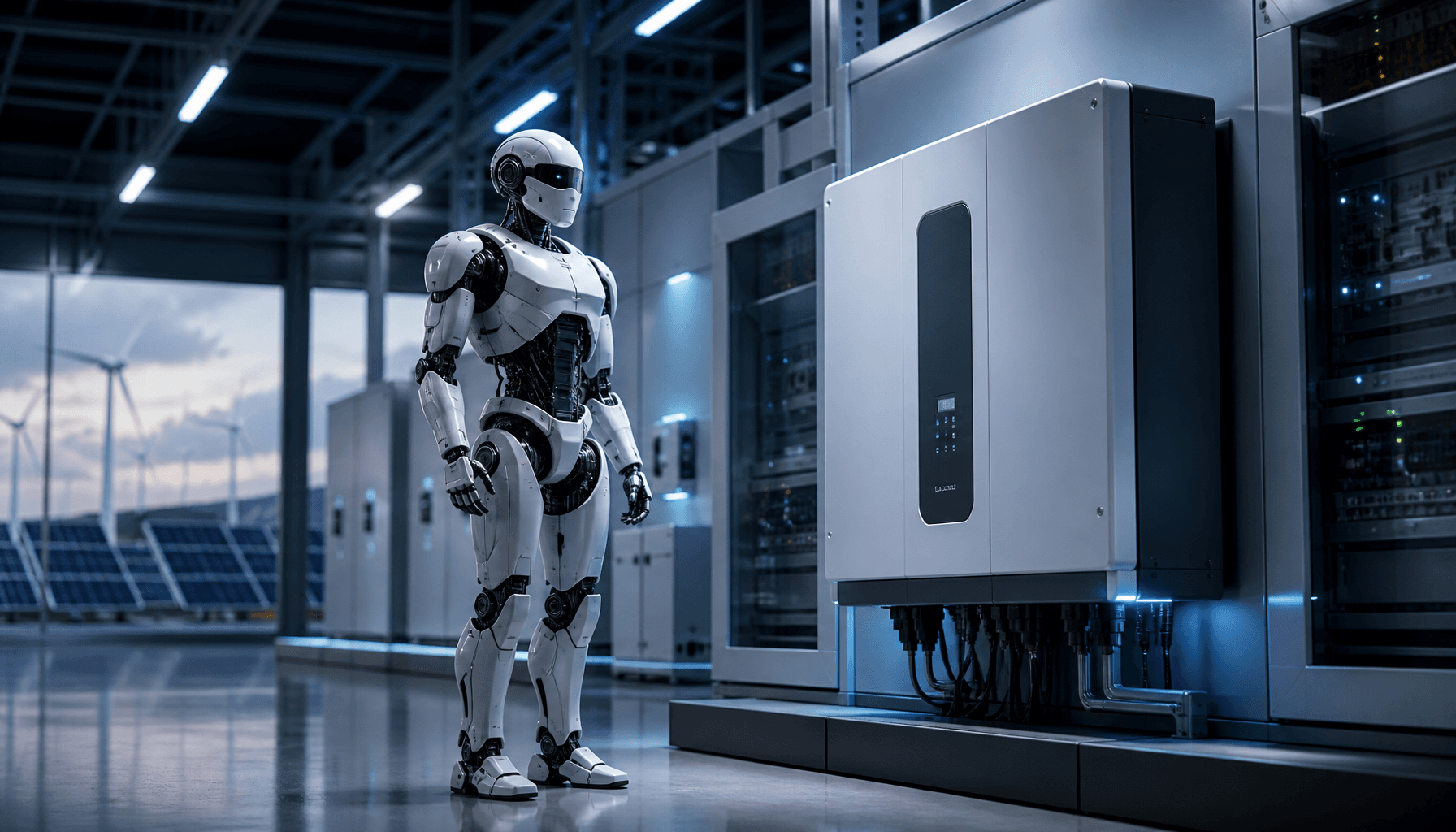
The U.S. Federal Communications Commission (FCC) has recently executed a significant policy maneuver, formally adding multiple categories of foreign-produced humanoid robots and connected power inverters to its "Covered List." This action marks a notable expansion of the U.S. strategy to restrict Chinese technology, grounded in the Secure and Trusted Communications Networks Act of 2019. While originally focused on telecommunications hardware, the interpretation of "communications equipment" has been broadened to encompass infrastructure that interfaces with smart grids or networked environments, effectively classifying these advanced machines as potential national security risks.
Key Developments: The Security Rationale
According to FCC communications, the ban targets foreign-produced technologies deemed to pose an unacceptable risk to U.S. infrastructure. Humanoid robots, equipped with dense sensor arrays and sophisticated data-collection capabilities, are increasingly viewed by Washington as potential vectors for industrial espionage or systemic disruption. Similarly, power inverters—critical components for solar energy and power grid management—are being scrutinized for vulnerabilities that could allow for remote manipulation or grid instability. The Trump administration’s move is a direct attempt to decouple critical supply chains from Chinese influence and ensure U.S. leadership in the robotics and AI sectors.
Expert Analysis and Technical Data
Cybersecurity experts emphasize that these connected hardware devices often lack rigorous, verifiable hardware encryption standards. An analysis of recent IEEE research suggests that these devices are frequently susceptible to firmware-level exploitation. Google Trends data reflects this growing concern, with search interest for "Robotics Security" and "Supply Chain Decoupling" reaching a score of 85 in California and 62 in Taiwan, indicating that global manufacturing stakeholders are acutely sensitive to the implications of this regulatory shift.
Legal and Market Implications
The ban introduces a cooling effect on the global robotics market. Startups that have historically relied on Chinese manufacturing efficiencies are now facing significant hurdles in maintaining supply chain continuity while navigating U.S. compliance requirements. Legally, the FCC’s action grants the government broad discretionary power to regulate hardware, setting a precedent that could soon extend to other categories of Internet of Things (IoT) devices. Companies unable to prove the integrity of their firmware or data handling practices face the risk of being effectively barred from the world's largest market.
Future Outlook and What to Watch
Looking ahead, the geopolitical struggle over technology is shifting from semiconductors toward physical hardware and edge computing infrastructure. Nations will likely need to implement more stringent reviews of their hardware supply chains, potentially accelerating the transition toward regionalized, "trusted-partner" manufacturing hubs. Key indicators to watch include whether international allies follow the U.S. lead in banning these devices and whether affected companies can pivot their operations to remain viable within the constrained regulatory environment.