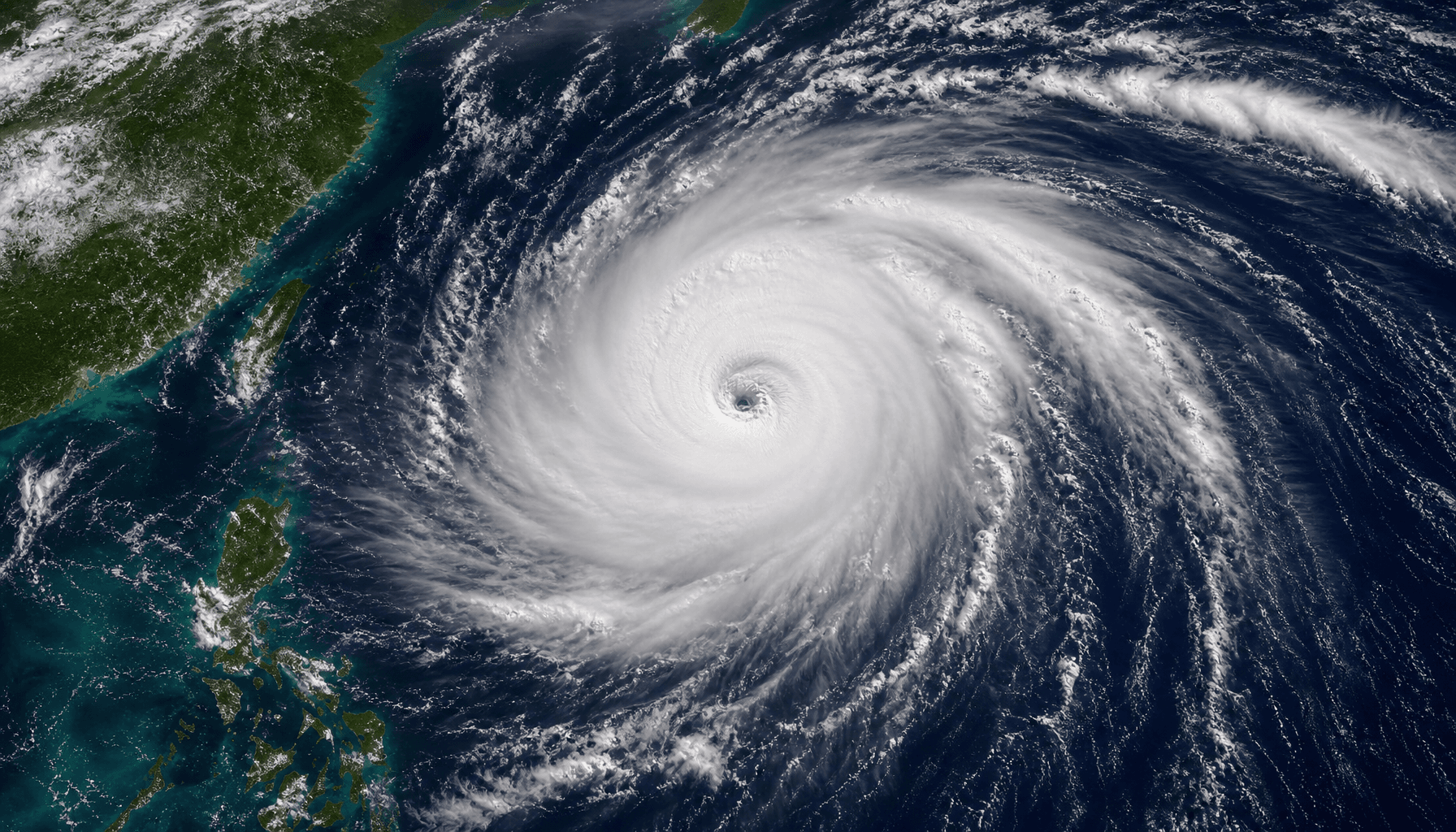
The Fury of Super Typhoon Bavi
On July 10, 2026, Super Typhoon Bavi swept across the Western Pacific with catastrophic intensity. Regarded as one of the most powerful storms to hit the region in recent years, the typhoon has generated massive swells ranging from 8 to 12 feet, impacting coastal waters from the Marianas to Palau and Yap. The storm's trajectory has forced authorities in both Beijing and Taipei to implement emergency school and office closures, underscoring the massive disruption such weather events impose on modern urban centers.
Urban Resilience and Infrastructure
As Typhoon Bavi approached, major metropolitan areas moved into high-alert status. The administrative and transportation hubs of Beijing and Taipei faced significant disruptions. The decision to shut down non-essential services was driven by the urgent need to protect citizens from the anticipated high winds and torrential rainfall. According to regional reports, the storm has not only paralyzed local transit but also caused significant delays in regional maritime shipping, impacting supply chains that rely on these critical Pacific corridors.
Meteorological Insights and Data
Data from the National Weather Service (NWS) in Tiyan, Guam, confirms that Bavi maintained intense wind and sea states as of the morning of July 10. In the coastal waters of Palau and Yap, sustained winds were recorded at 10 to 15 knots, with frequent gusts reaching 25 knots. Meteorologists suggest that the rapid intensification of such storms is closely linked to increasing ocean heat content, a byproduct of global climate change. Scientific consensus suggests that warmer sea surface temperatures provide a more robust energy source for tropical cyclones, leading to more violent storms like Bavi.
Societal Impact and Trends
Public concern regarding the typhoon has spiked across digital platforms. Search interest in "typhoon path" and "school closures" reached peak levels in Taiwan, highlighting the public's immediate need for disaster-preparedness information. Beyond local impact, analysts are monitoring the situation for potential economic ripple effects. Extreme weather has become a key variable in assessing regional economic stability, as supply chain disruptions can lead to significant market volatility. While conditions are expected to improve as the storm moves farther away, the lingering risks of flooding remain a primary concern for local authorities.
Disaster Preparedness and Future Outlook
In the face of increasingly frequent extreme weather events, building urban resilience has become a core policy agenda. Taipei’s well-established disaster management system and Beijing’s evolving emergency response mechanisms are being put to the test. Moving forward, the integration of AI-driven weather prediction models will be critical in enhancing early warning accuracy and regional coordination. FrontierDaily will continue to track the developments of Super Typhoon Bavi, and we advise all residents in the affected areas to monitor official weather bulletins closely to ensure their safety.