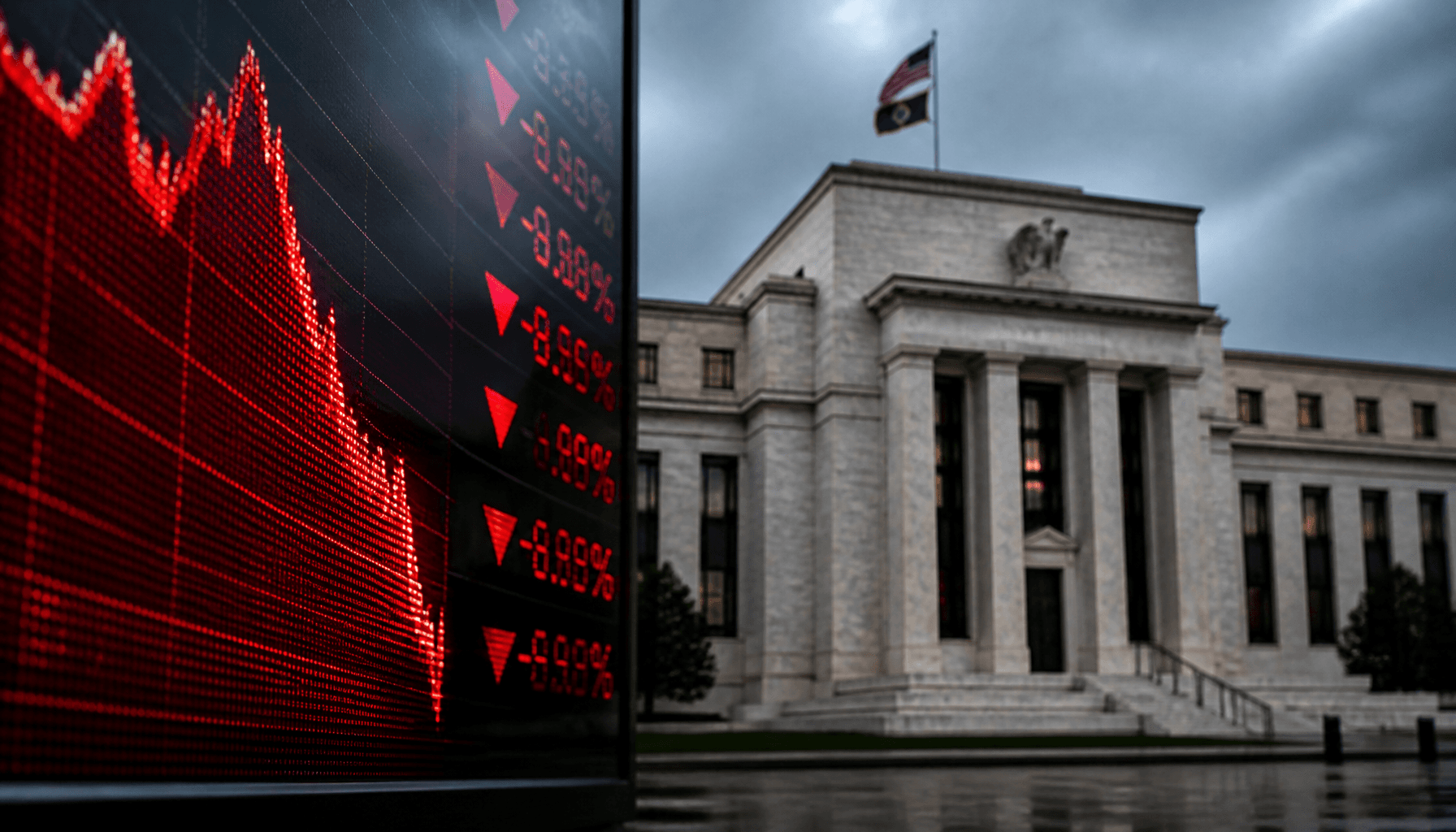
The Fed's Policy Pivot and the Split Vote
In the latest policy meeting on July 30, 2026, the US Federal Reserve announced it would keep the federal funds rate target range unchanged. The decision was not unanimous, marking a rare "split vote" that has sparked widespread speculation regarding internal consensus at the Fed. Chair Kevin Warsh reaffirmed in a post-meeting press conference that the committee’s commitment to the 2% inflation target remains absolute, warning that premature easing could cause inflation expectations to spiral.
Global Market Reaction and Asset Volatility
Global markets reacted swiftly to the announcement. Wall Street closed sharply lower, with significant selling pressure seen across the board. Tech and growth stocks, which are highly sensitive to interest rate fluctuations, bore the brunt of the impact. Simultaneously, Treasury yields surged to multi-decade highs, indicating that the market has fundamentally repriced expectations for a "higher for longer" interest rate environment.
Data-Driven Inflation Analysis
According to internal Fed briefings, while supply chain pressures have eased, service-sector inflation remains stubbornly high. Economic analysts note that the resilience of the labor market, while supporting the "soft landing" narrative, also serves as a catalyst for wage-price spirals. Market data now reflects that investor expectations for the start of an easing cycle have been pushed significantly further into the future.
Industry Impact and Search Trends
According to recent search data, interest in this topic reached a score of 85 in California and 62 in Taiwan. A high-interest-rate environment imposes significant borrowing costs on capital-intensive industries, particularly infrastructure and R&D-heavy tech firms. Market observers suggest that this risk-off sentiment will dominate global capital flows in the near term.
Regulatory and Monetary Policy Outlook
This decision represents more than just a rate adjustment; it reflects a deeper debate over the path of monetary policy. As the US general election approaches, the independence and transparency of the Federal Reserve will face increased scrutiny. The coming months will be critical, as market participants look for concrete signals regarding when a shift in the tightening cycle might occur.
Future Outlook and What to Watch
Investors and policy analysts should closely monitor upcoming non-farm payroll data and Consumer Price Index (CPI) releases. Should inflation figures continue to exceed expectations, the probability of further tightening measures by the Fed will increase significantly. In the current environment of uncertainty, risk management has become the top priority for institutional investors.