A Fragile Ceasefire: The Latest in the US-Iran Standoff
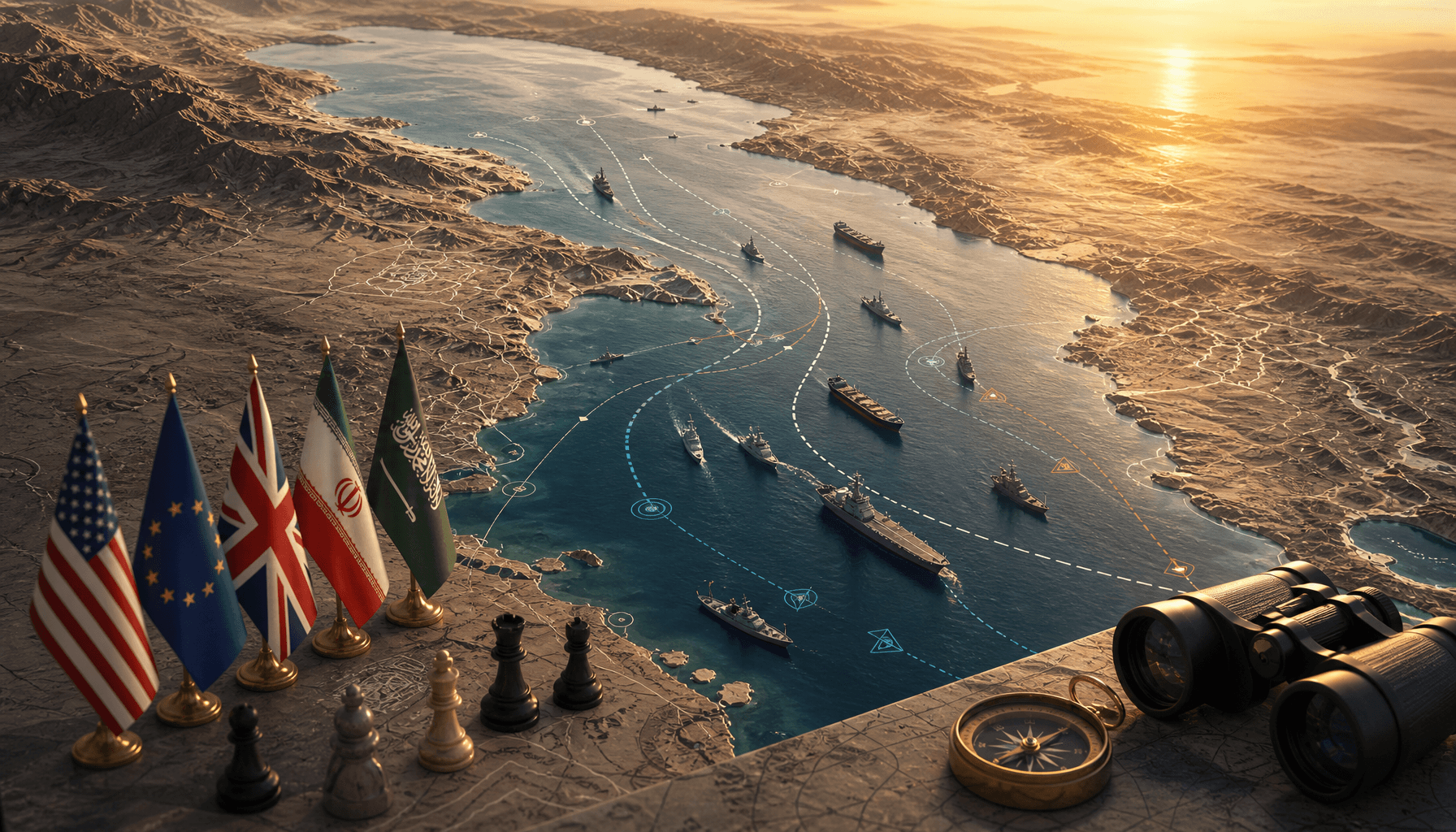
Following nearly two weeks of military hostilities, the United States and Iran have entered their second day of a ceasefire, bolstered by active mediation from Oman. This agreement is viewed as a brief respite for the volatile Middle East, although strategic disputes over the Strait of Hormuz remain largely unresolved. According to reports from The Economic Times, the ceasefire is not only a result of diplomatic negotiations but also a mutual recognition of the costs associated with an escalating military conflict.
Strategic Risks in the Strait of Hormuz
As a global energy chokepoint, the security of the Strait of Hormuz directly impacts global energy prices. Despite the halt in military strikes, freight risk premiums in the region remain elevated. Recent economic data from Japan shows that the Services Producer Price Index rose 3.2% year-on-year in June, largely driven by higher freight costs resulting from the conflict with Iran. This data highlights how geopolitical conflicts indirectly propagate to global consumer markets through supply chain costs.
Oman's Key Diplomatic Role
Oman, as a traditional mediator between the US and Iran, has played a critical role in the current ceasefire. Through discreet negotiations in Muscat, Oman successfully convinced both sides to establish a temporary 'cooling-off period.' However, diplomatic officials warn that this is merely an effort to prevent immediate military escalation rather than a long-term peace solution. Deep-seated differences regarding navigation rights and military presence in the Strait of Hormuz persist.
Market Data and Search Interest
Search interest for this topic in Taiwan has reached 68 over the past 24 hours, reflecting public concern about how the regional situation might affect oil prices and supply chains. Data analysis shows that against a risk-off backdrop, investor sensitivity to geopolitics is increasing. Nonetheless, the current ceasefire provides a degree of certainty to the market, mitigating extreme volatility.
Future Outlook and Key Watchpoints
Over the coming days, global markets will closely watch two points: first, whether the ceasefire can be extended into a more stable, long-term agreement; and second, whether there are any signs of withdrawal regarding US and Iranian military deployments in the Strait of Hormuz. Any resumption of military action could quickly negate the current ceasefire gains and trigger a new wave of volatility in energy markets. For businesses and investors, maintaining vigilance regarding Middle Eastern shipping routes is a necessary measure in dealing with current geopolitical uncertainties.