The Historic Conclusion of the NEET Protests
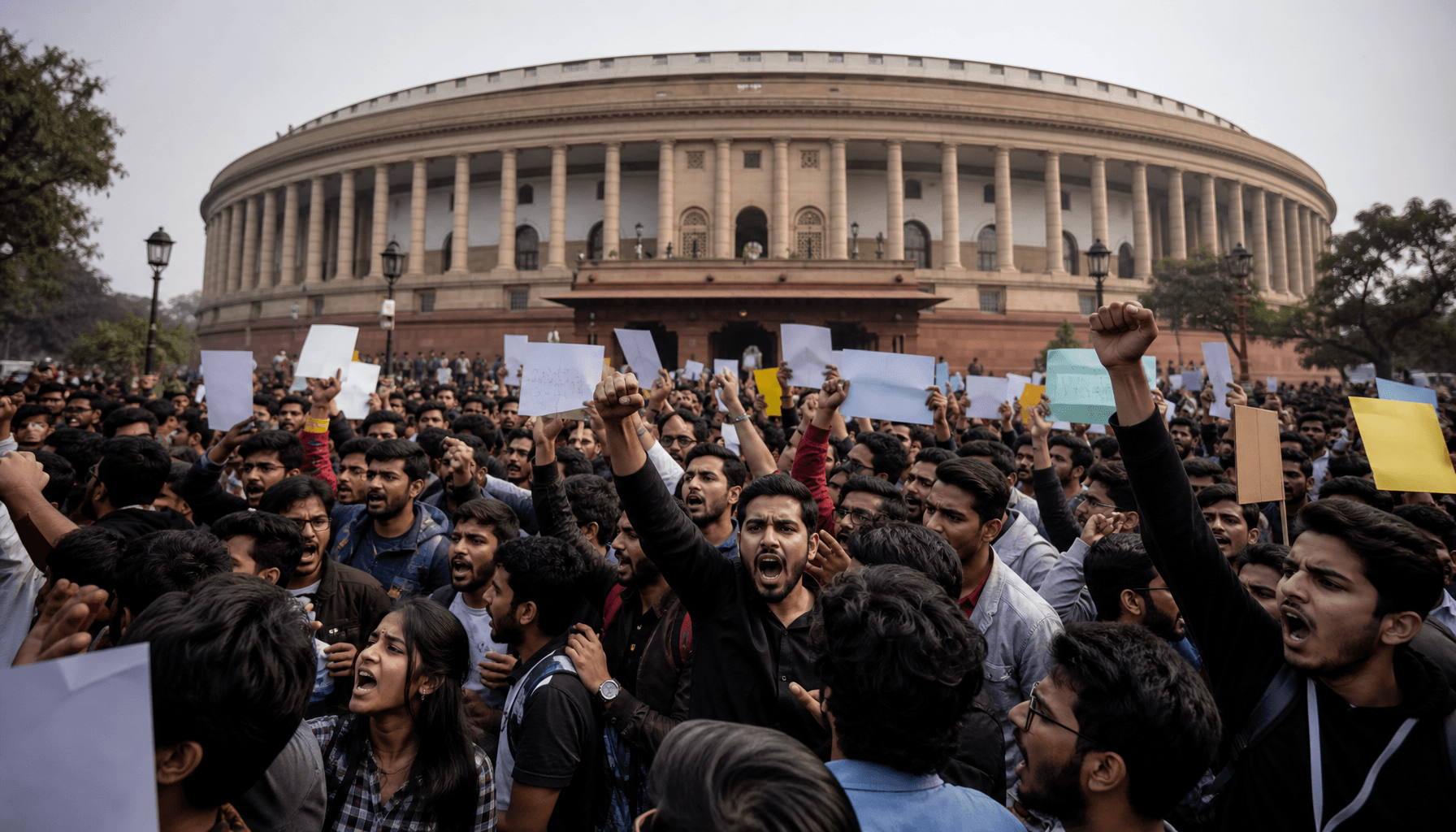
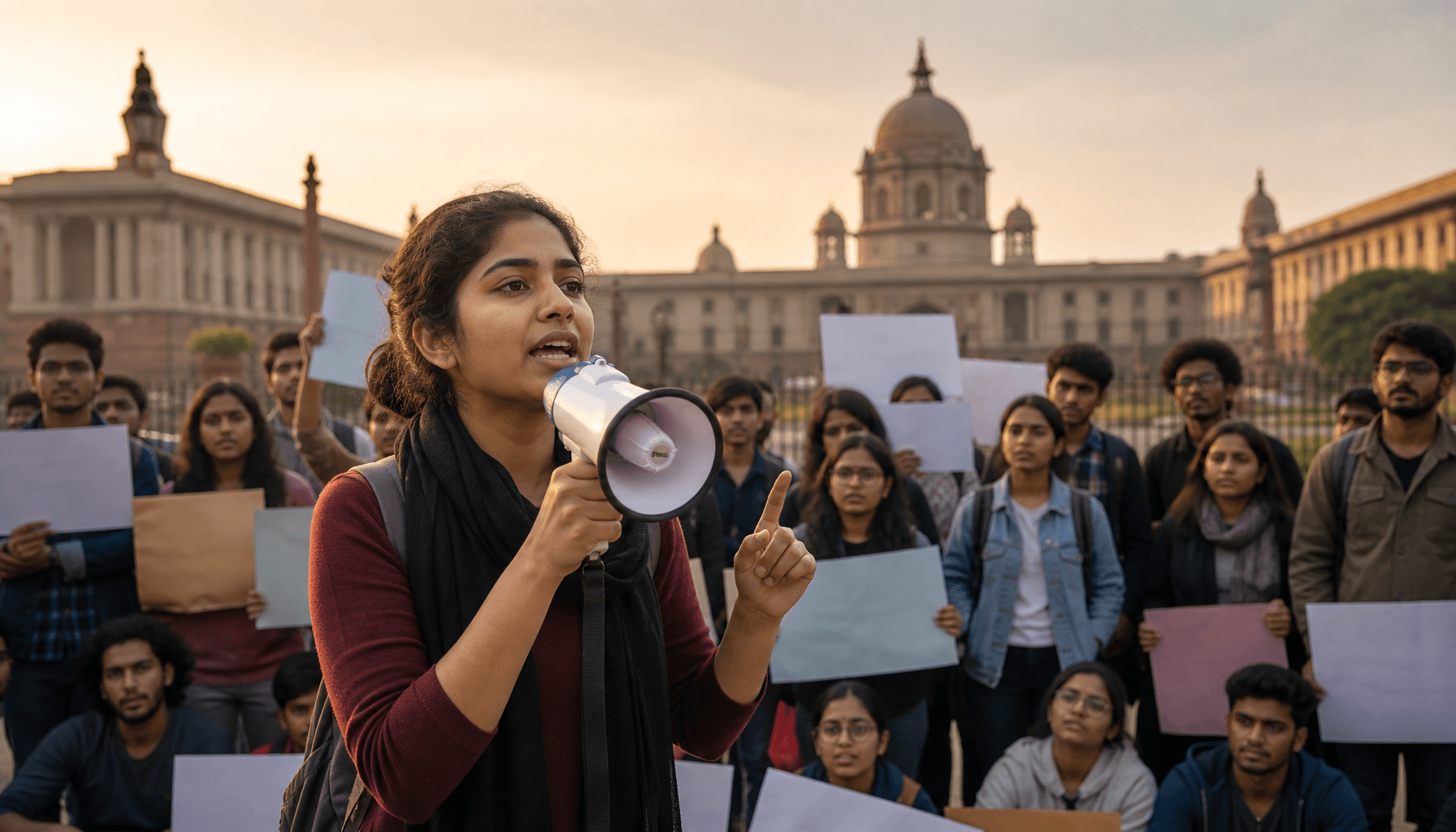
After a 26-day hunger strike, renowned Indian activist Sonam Wangchuk has officially ended his protest. This decision followed the Indian government’s commitment to implement significant reforms to the National Eligibility cum Entrance Test (NEET). The protests not only highlighted long-standing issues of exam paper leaks and corruption within the Indian education system but also ignited a nationwide debate on educational equity.
According to reports from The Economic Times, the government has taken several administrative and legislative steps to defuse the protests. This month-long controversy has ultimately forced the Modi government to adopt a more proactive stance on education reform.
Structural Issues of Examination Malpractice
As the gateway for millions of Indian students seeking admission to medical schools, the integrity of the NEET is paramount to social mobility. However, frequent exam leaks in recent years have severely undermined public trust. As reported by The Hindu Business Line, the government has introduced the "Public Examination (Prevention of Unfair Means) Act," which seeks to eliminate malpractice through rigorous legal penalties.
Public interest in these examination scandals remains high; Google Trends data shows search interest for these issues in India reached 90. Education in India is a "Concurrent List" subject, meaning federal and state governments must coordinate closely to effectively implement reforms.
Policy Shifts and Administrative Adjustments
In response to the protestors' demands, the Indian government has not only pursued legislative revisions but also implemented personnel changes, including the replacement of the Higher Education Secretary. These moves are viewed as critical efforts by the government to regain the trust of the younger generation of voters.
Experts note that education reform in India is a formidable challenge. Given the massive scale of these examinations, the bureaucratization of the administrative system and technological shortcomings often act as bottlenecks to reform. The assertive intervention through legislation indicates the government has acknowledged the long-term damage that educational corruption could inflict on national competitiveness.
Future Legal and Institutional Observations
With the push for the "Public Examination (Prevention of Unfair Means) Act," the focus will now shift to enforcement. Legal analysts argue that legislation alone is insufficient to eliminate malpractice; it requires the introduction of digital surveillance, improved data encryption, and transparent grievance mechanisms.
For the Modi government, the NEET incident serves as a wake-up call. Future policy priorities will likely include:
- Expanding the digitalization of examinations to reduce human contact with test papers.
- Strengthening administrative collaboration between federal and state governments.
- Establishing long-term dialogue mechanisms between students and the government to prevent similar protests in the future.
Conclusion
Sonam Wangchuk’s protest successfully catalyzed a substantive policy shift, marking a victory for civil society and opening a new chapter in Indian education reform. However, the path to reform remains long, and the public will continue to monitor whether the government can honor its commitments to ensure a level playing field for all students.