The Paradox of India's AI Talent Pool
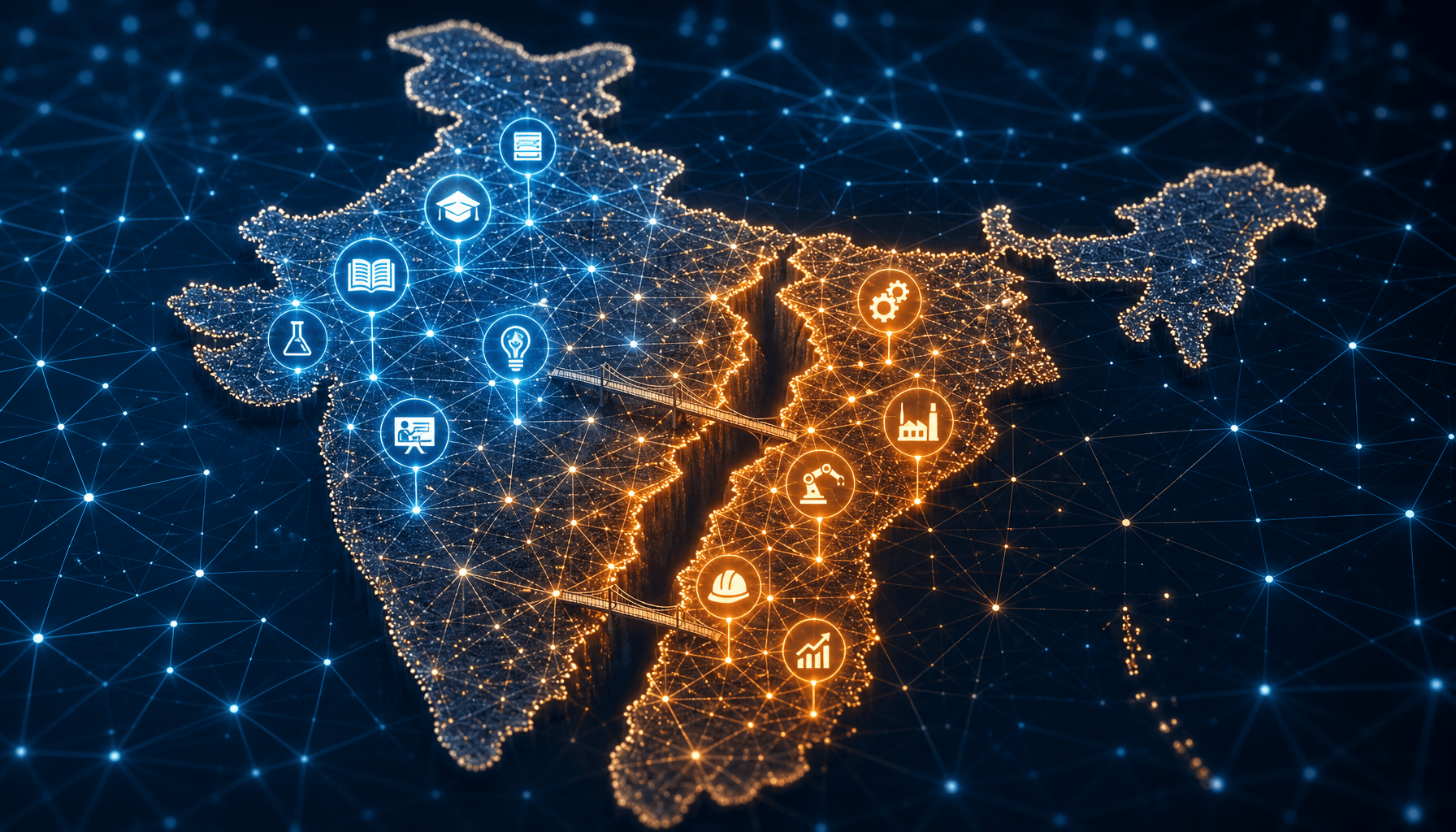
Despite having the second-largest AI talent pool in the world, India faces a critical shortage of skilled professionals in AI deployment, governance, and security, according to a recent industry report by Quess. This finding has sparked intense debate within the tech community regarding why such a massive workforce cannot meet the urgent demand for enterprise-grade Generative AI (GenAI) applications. The situation highlights a significant disconnect between theoretical academic training and practical industrial application.
The Skills Gap in Deployment and Governance
Research indicates that Indian enterprises struggle most with the deployment phase of GenAI, specifically regarding complex architecture, safety compliance, and governance frameworks. The Quess report emphasizes that while there is an abundance of engineers with foundational machine learning knowledge, there is a severe lack of experts capable of managing the model lifecycle (MLOps) and risk mitigation. Integrating AI into production environments while ensuring long-term security remains the single greatest bottleneck for Indian tech firms.
Market Trends and the War for Talent
Google Trends data shows a steady increase in searches for "AI skill training" and "AI safety governance" within India. Analysts suggest that as domestic giants like HCLTech and Sarvam ramp up their AI initiatives, the competition for specialized talent has reached a fever pitch. However, rising salary levels have not solved the mismatch between talent quality and corporate requirements. If this gap persists, it may hinder India’s potential to play a dominant role in the global AI supply chain.
Regulatory Landscape and Corporate Responsibility
At the governance level, the Indian government is pushing for more robust digital security regulations, requiring firms to implement mature frameworks for AI risk management. Legal experts suggest that companies should collaborate more closely with academic institutions to align curricula with industrial realities and invest heavily in reskilling existing employees. This transition is not only a corporate obligation but a strategic necessity for the nation’s digital economic transformation.
Future Outlook and Observations
India’s ability to transform its massive talent pool into a highly skilled, practical workforce will determine its competitive advantage in the global AI market over the coming decade. Key indicators to watch include the effectiveness of corporate training programs and the speed at which higher education institutions modernize their curricula to include AI safety and governance. The race to bridge this talent gap is arguably the most significant challenge facing the Indian tech sector today.