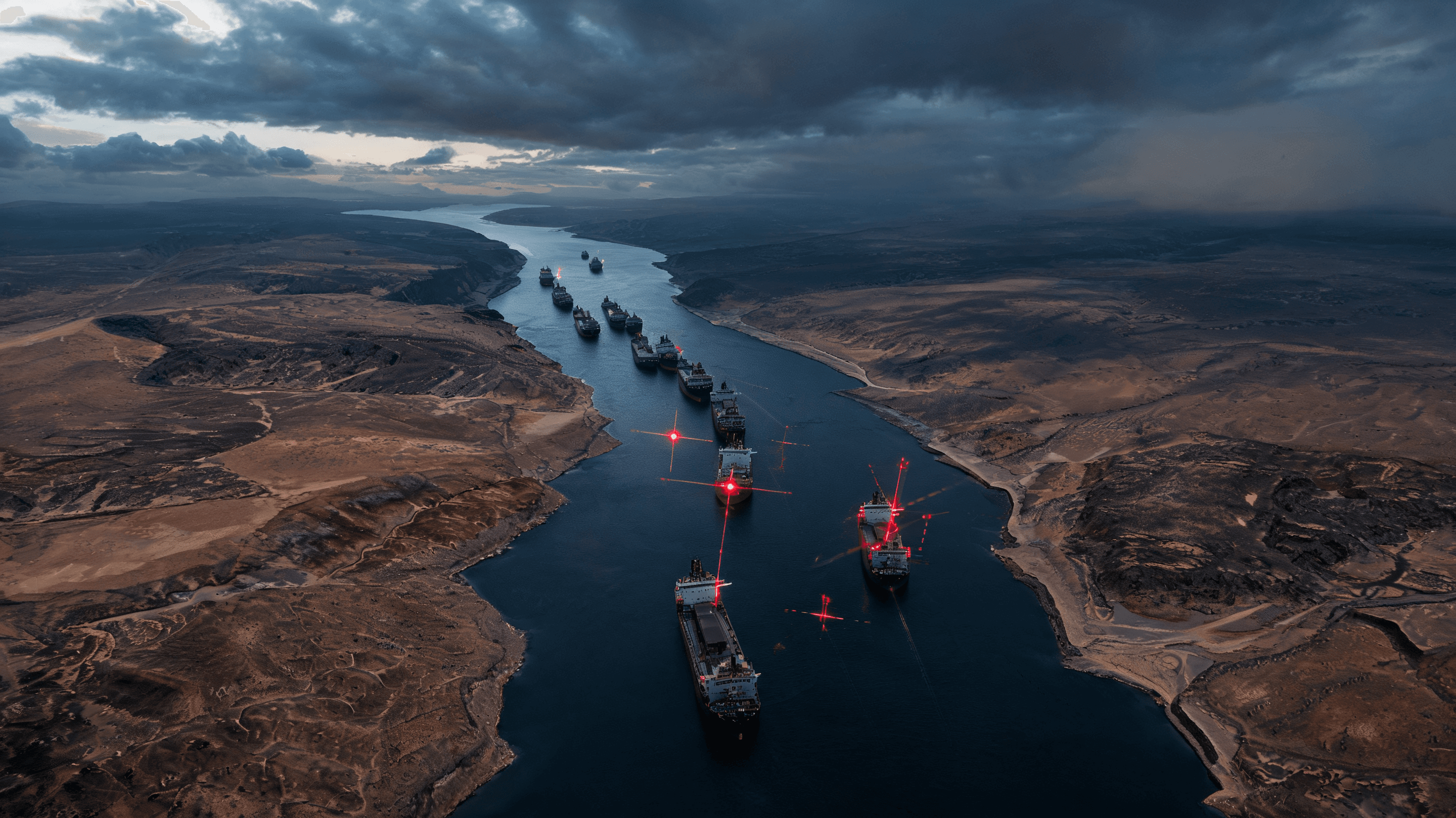
The Strategic Closure of the Strait of Hormuz
Global energy markets and geopolitical stability have been rocked by a sharp escalation in US-Iran military tensions, triggered by Iran's decision to close the Strait of Hormuz. According to reports from the Economic Times, US military forces struck approximately 140 targets within Iran over the weekend in retaliation for an Iranian attack on a commercial vessel in the strait. This move marks a dangerous new phase in the Gulf conflict, posing a significant threat to global supply chains that rely on the strait as a primary artery for oil transportation.
Context and Military Developments
US Central Command (CENTCOM) confirmed the completion of its latest round of airstrikes, a significant show of force intended to address the obstruction of freedom of navigation in the Persian Gulf. The scale of the retaliation underscores a hardening of the US stance toward regional hostilities. In response, an Iranian newspaper has reportedly published a list of revenge targets, including Donald Trump and various European leaders, further escalating fears of a broader conflict. While Donald Trump has indicated that both sides agreed to continue talks, he explicitly stated that the ceasefire is officially over.
Market Impact and Economic Analysis
Geopolitical uncertainty has placed heavy pressure on commodity markets and equities. Analysts cited by The Hindu BusinessLine warn of potential volatility in indices like the Nifty as markets grapple with the prospect of prolonged supply chain disruptions. Gold and silver, traditionally viewed as safe-haven assets, remain under pressure as market participants weigh geopolitical risks against incoming inflation data. The situation is being closely monitored by investors for signals regarding long-term energy price stability and the potential for a sustained risk-off environment.
Google Trends and Public Interest
Public interest in this crisis has spiked globally. Current data indicates that the topic reached an interest score of 82 in California and 58 in Taiwan, reflecting varying levels of concern regarding energy security and regional stability. Search trends suggest that public anxiety centers heavily on the potential for surging fuel prices and the broader economic implications of a prolonged naval blockade in the Gulf.
Future Outlook and Key Indicators
The future trajectory of this crisis hinges on the success of behind-the-scenes diplomatic efforts and the duration of the blockade. Key indicators to watch include: first, the latest assessment from the International Energy Agency (IEA) on global oil reserves; second, any potential emergency sessions at the UN Security Council regarding maritime freedom; and third, whether market sentiment shifts significantly toward safe-haven assets like the US dollar or Treasury bonds. This crisis remains a critical stress test for global energy security and international maritime law.