The Physical Grounding of Intelligence: From Pixels to Physical Language
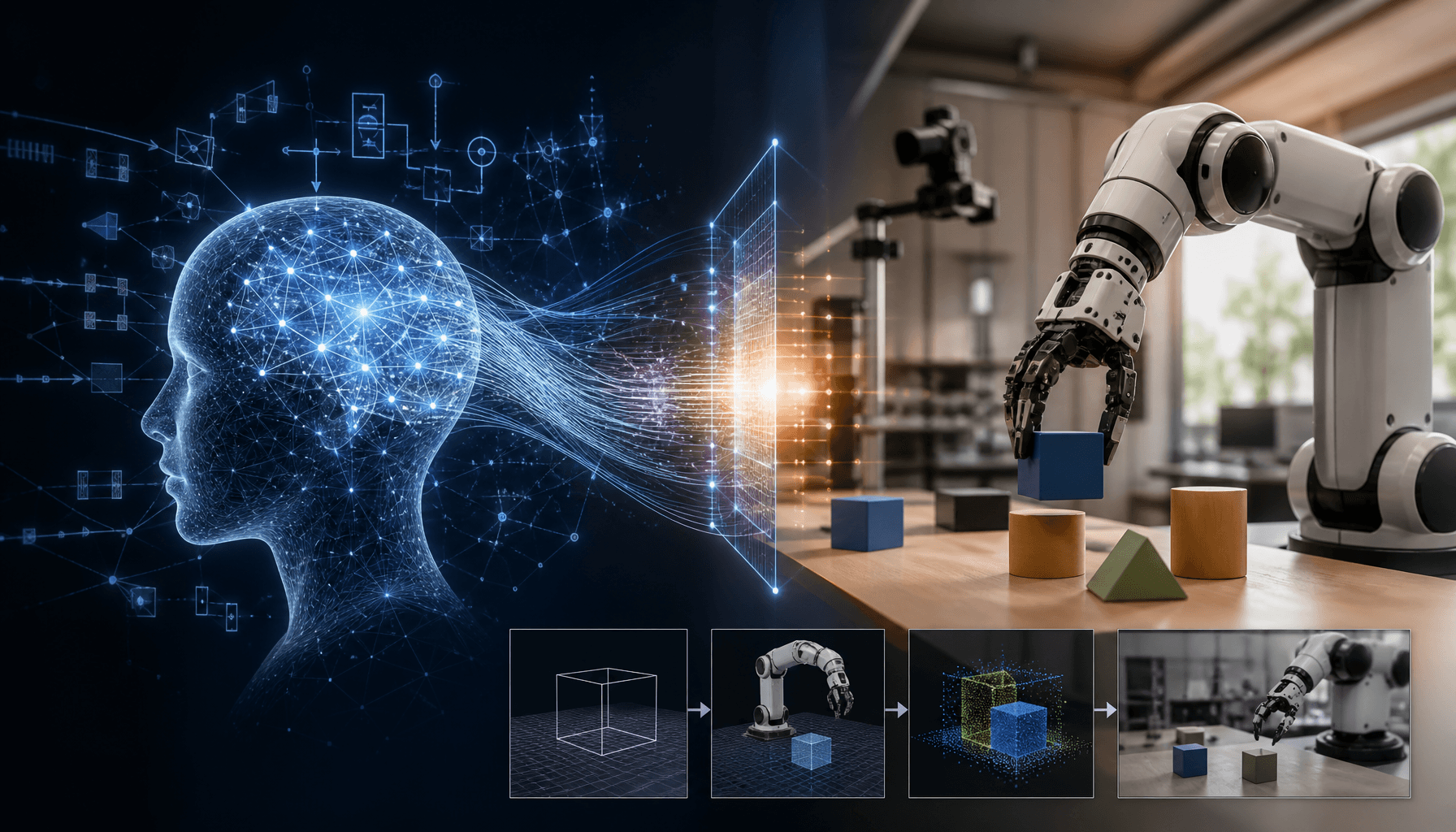
AI development is moving beyond mere pixel-level video prediction toward structured 'physical language.' Models like PhiZero demonstrate that by translating world states into discrete physical-language sequences, AI can perform explicit logic-based reasoning rather than relying on high-dimensional probabilistic collapse. This 'reason-then-render' paradigm marks the transition of AI from a passive generator to an agent capable of modeling physical evolution. Simultaneously, robotics is addressing its data bottleneck. The introduction of ACE-Data-0—a human-centric ambient capture engine—provides the high-fidelity, multimodal synchronization of body motion, touch, and spatial trajectories necessary to train truly embodied intelligence.
The Reliability Gap: Operational Challenges for AI Agents
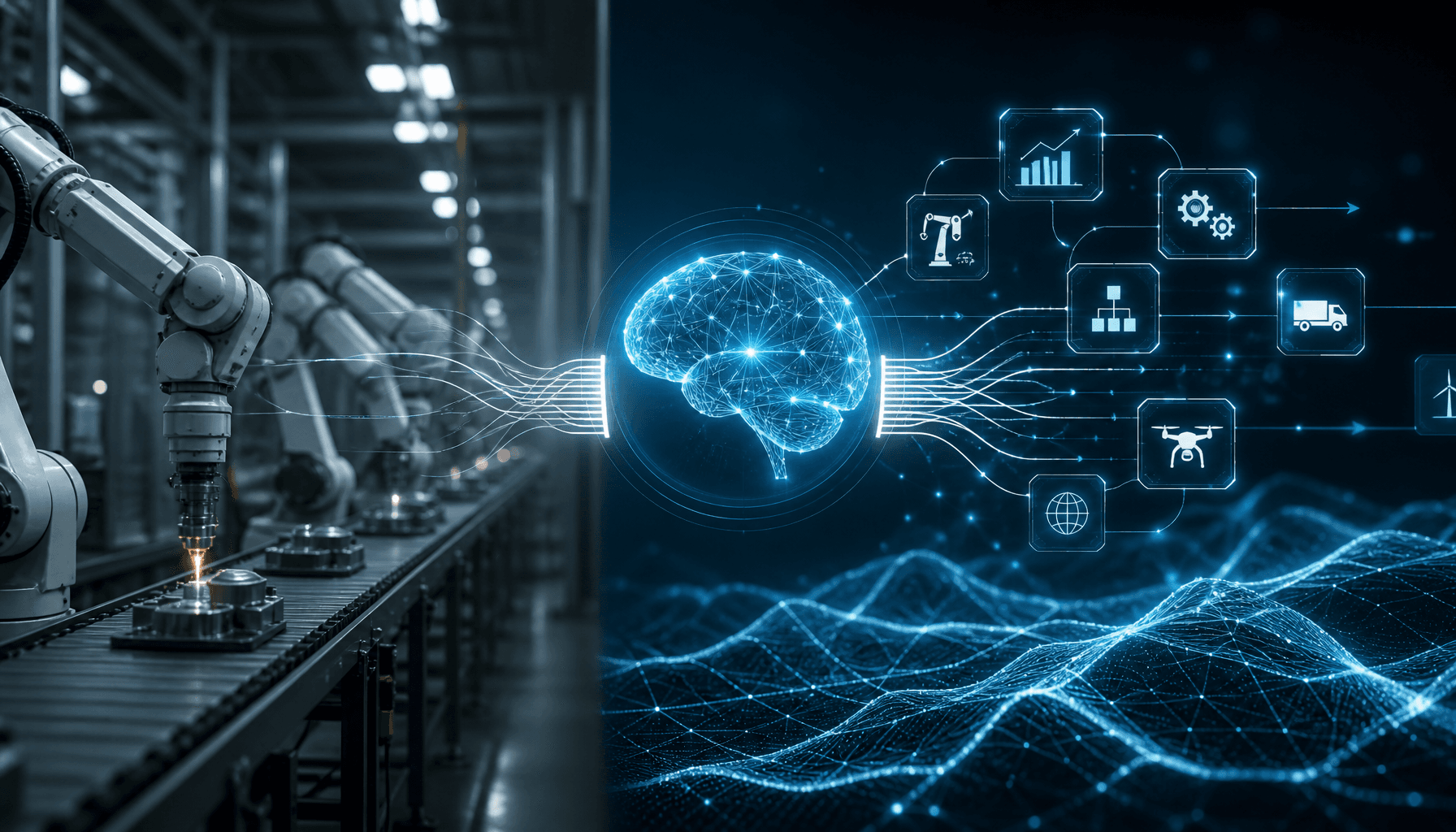
As AI agents take on real-world operational tasks, such as repository maintenance or production oncall support, reliability has become the ultimate bottleneck. Research via ORCA-bench reveals a sobering reality: even frontier models struggle significantly with complex Root Cause Analysis (RCA), highlighting that we have entered an era of 'agent verification.' Systems like PAIChecker and AISPA reflect an urgent industry need for system-prompt auditing and task alignment. These tools shift the focus from simple output accuracy to logic transparency and safety auditing, ensuring that AI remains 'audit-capable' within enterprise environments.
Quantum Computing: From Theory to Fault-Tolerant Practice
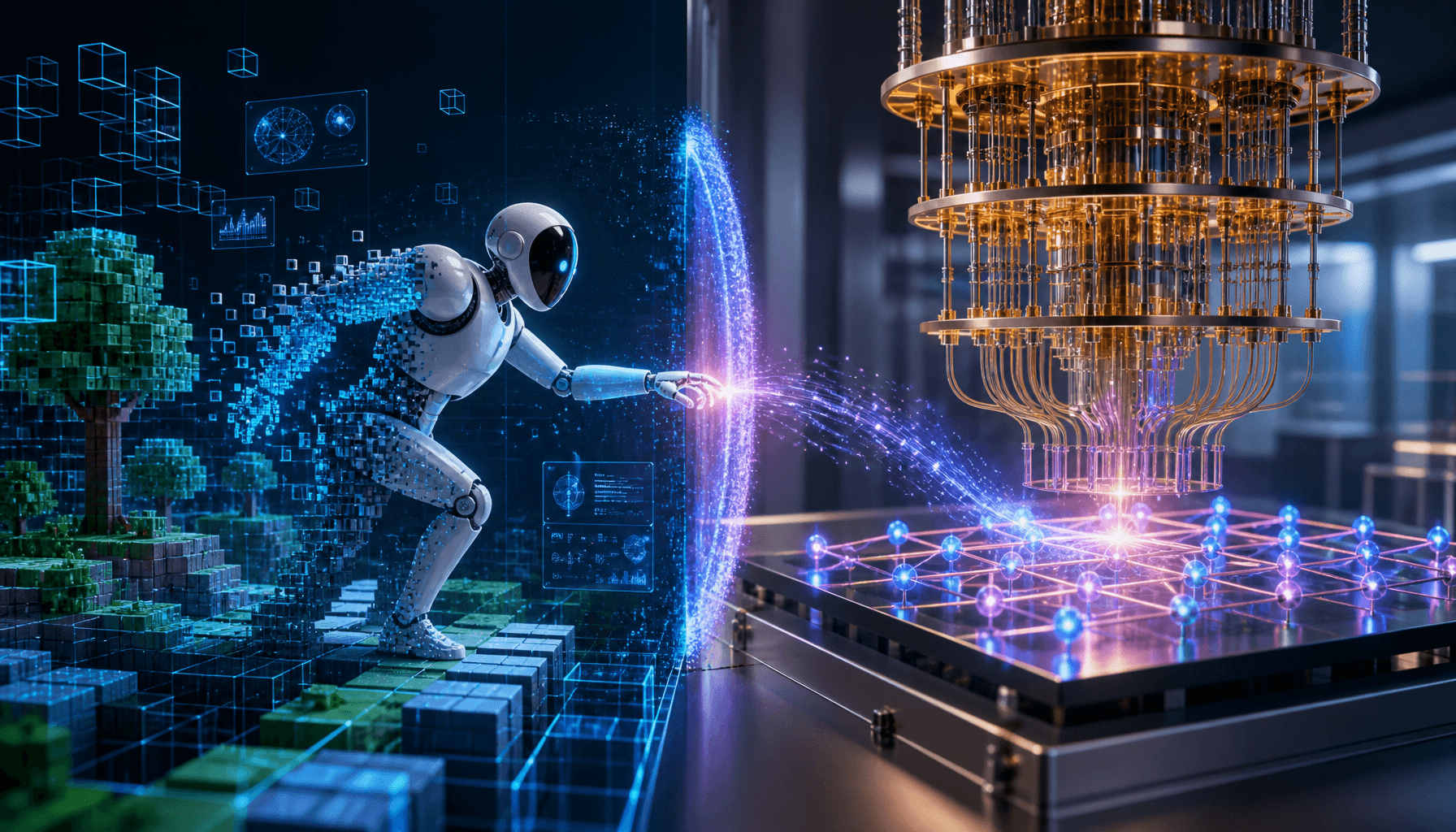
In physics and quantum computing, researchers are translating theoretical gains into hardware efficiency. Recent advancements in Lifted Product Codes offer solutions with significantly lower space overhead for fault-tolerant quantum computing. The development of simulators like SymFT, which leverages symbolic Clifford-Pauli frames for near-Clifford circuit simulation, proves that we are gaining the ability to handle complex quantum operations with unprecedented speed. These are not merely mathematical breakthroughs but practical steps toward using quantum hardware for real-world physical system simulations, such as ab initio molecular dynamics.
Conclusion: Toward an Audit-Capable Intelligence
We are at a turning point: AI is no longer a 'black box' but a complex ecosystem that requires auditing, physical common sense, and the ability to interface with legacy industrial frameworks. From AskChem’s claim-centered infrastructure for chemistry literature to KAISEN’s clinical fairness audit pipeline, every major trend points toward a single goal: building a verifiable, explainable, and physically grounded intelligence infrastructure.