A Landmark Resolution in Pharmaceutical Litigation
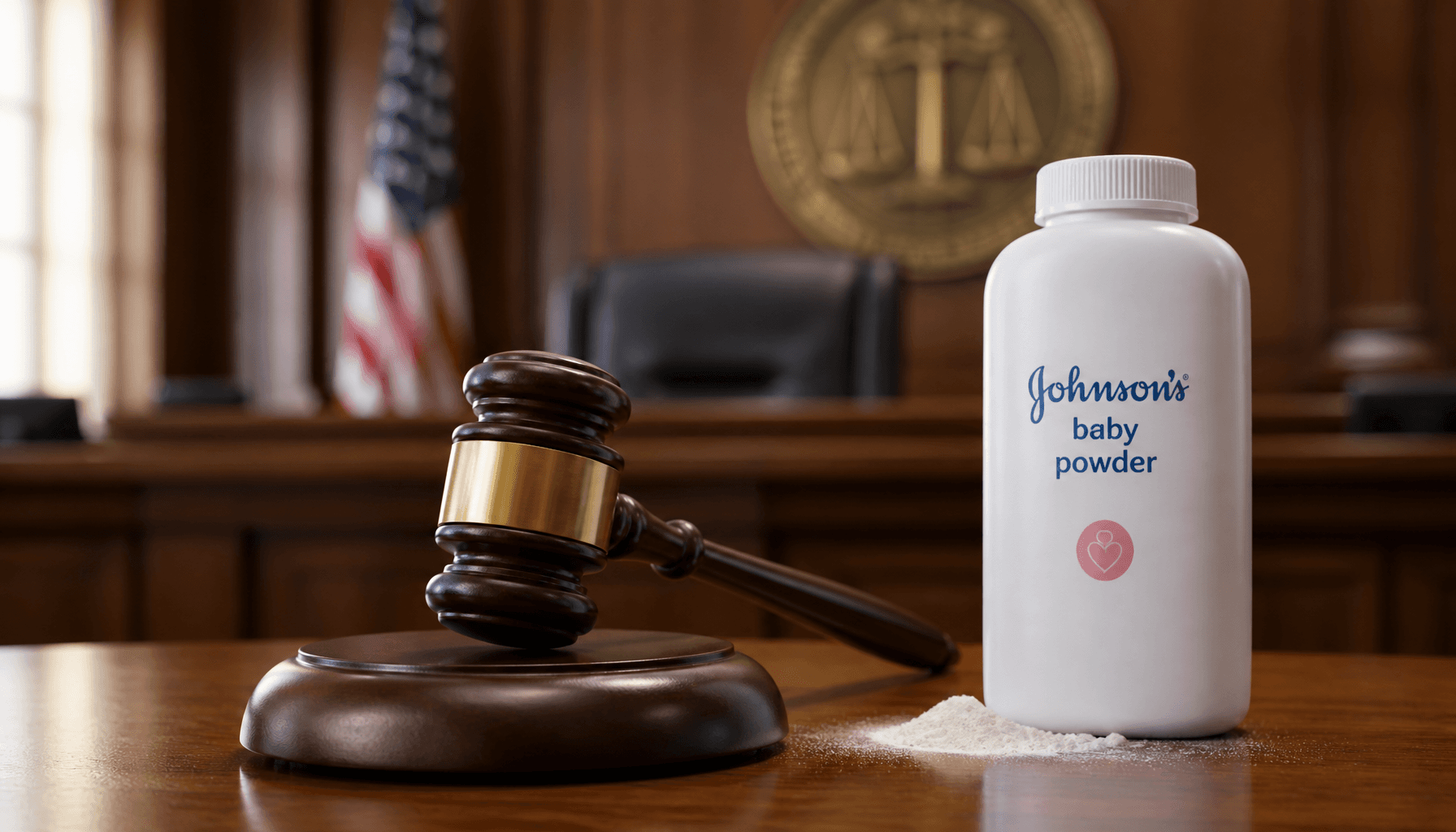
Johnson & Johnson has announced a $5.5 billion settlement to resolve tens of thousands of lawsuits alleging that its talc-based products, including its iconic baby powder, caused ovarian cancer. This landmark deal, if finalized by the courts, will put an end to a decade-long legal battle that has severely damaged the company’s reputation and eroded consumer trust. For the pharmaceutical giant, this settlement marks a significant effort to move past years of uncertainty and refocus on its core business operations.
The Core of the Litigation
Over the past ten years, Johnson & Johnson has faced thousands of lawsuits from plaintiffs claiming that its talc products were contaminated with carcinogens and contributed to the development of ovarian cancer. While the company has consistently maintained that its products are safe and do not cause cancer, the mounting pressure from adverse court rulings and legal costs eventually necessitated a structured resolution. The case has been a focal point of legal debate in the U.S., particularly regarding the use of bankruptcy reorganization strategies—such as the controversial "Texas two-step" maneuver—to resolve mass tort liabilities.
Legal and Financial Implications
This $5.5 billion settlement represents one of the largest product liability resolutions in pharmaceutical history. The funds are designated to compensate individuals who claim that long-term use of the company’s talc products led to cancer. While the financial impact is substantial, market analysts generally view the move as a necessary step to eliminate long-term litigation risks, which is ultimately beneficial for the company’s long-term stock valuation and financial stability. The settlement process will likely be managed through Multidistrict Litigation (MDL) procedures to ensure an equitable distribution of funds to claimants.
Restoring Industry and Consumer Trust
The talc controversy has had a widespread impact on the broader consumer goods industry, prompting many brands to phase out talc in favor of cornstarch or other alternatives. For Johnson & Johnson, this settlement is a pivotal moment in attempting to move beyond the controversy and refocus on its pharmaceutical and medical device divisions. Industry experts suggest that rebuilding consumer trust will be a long-term endeavor, but this settlement is a crucial foundational step in the company's brand rehabilitation strategy.
Future Outlook and Monitoring
As the settlement proceeds, the courts will oversee the specific execution of the compensation plan. Investors should monitor how Johnson & Johnson accounts for these legal liabilities in future financial reports and how the company plans to leverage its new product portfolio to drive growth in the post-litigation era. This case also serves as a significant precedent for future mass tort litigation, demonstrating how large corporations can navigate the complex balance between legal costs, corporate liability, and brand preservation.