Background: The AI Infrastructure Arms Race
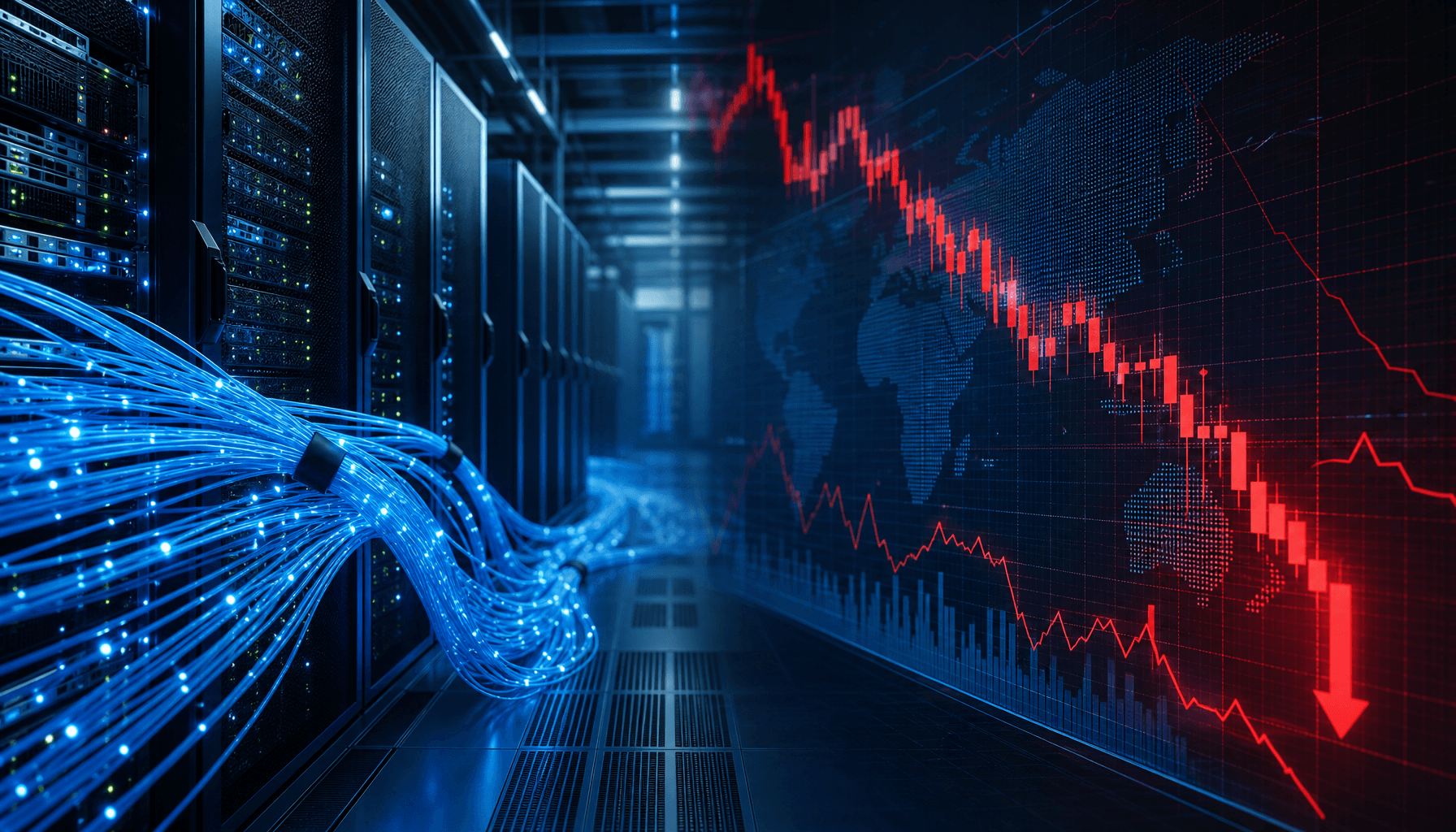
Major US technology companies are currently embroiled in an unprecedented arms race to build out AI infrastructure. Giants like Alphabet and Tesla, while showing early revenue returns from AI, are witnessing explosive growth in capital expenditure (CapEx) to maintain their competitive edge. This massive investment is putting significant pressure on free cash flow, drawing increased scrutiny from Wall Street investors.
Financial Data and Market Analysis
According to LSEG estimates, capital expenditure for big tech companies is expected to outpace cash generation through 2027. This departs from the traditional model where tech firms relied on high profitability to fund R&D. Investors are shifting from a blind preference for "AI growth narratives" toward a rigorous examination of "monetization proof points." With earnings season underway, the market is hypersensitive to Alphabet’s cloud AI revenue and Tesla’s autonomous driving progress; any sign of missed profitability could lead to sharp stock price volatility.
Industry Dynamics: Hardware and Software Integration
The competition for AI is moving beyond cloud computing into edge devices. Samsung's AI-integrated smartphones and Google's recent robotics demos using Gemini highlight how tech giants are trying to extend the AI value chain into consumer hardware. However, these high costs further compress short-term margins. Recent coverage by TechCrunch regarding Google's robotics progress underscores the technical prowess but also hints at the massive hardware development costs that follow.
Search Trends and Investor Sentiment
According to Google Trends, search interest for the term "AI Capital Expenditure" has risen steadily over the past month, with interest scores reaching 78 among financial hubs in California and New York. This indicates that institutional investors are actively evaluating the impact of AI spending on long-term financial health. Research suggests that investors are becoming more demanding regarding the return on investment (ROI) for AI, and any failure to show tangible profit improvements could trigger capital reallocation.
Future Outlook
In the coming quarters, the biggest challenge for big tech firms will be demonstrating a clear path to profitability for their massive spending while maintaining their AI leadership. As the AI race matures, the market expects a wave of consolidation to reduce redundant R&D spending. Investors should continue to monitor CapEx efficiency and free cash flow metrics, as these are the key indicators for assessing the sustainability of the current AI investment cycle.