A New Normal in the Semiconductor Industry: Price Hikes Ahead
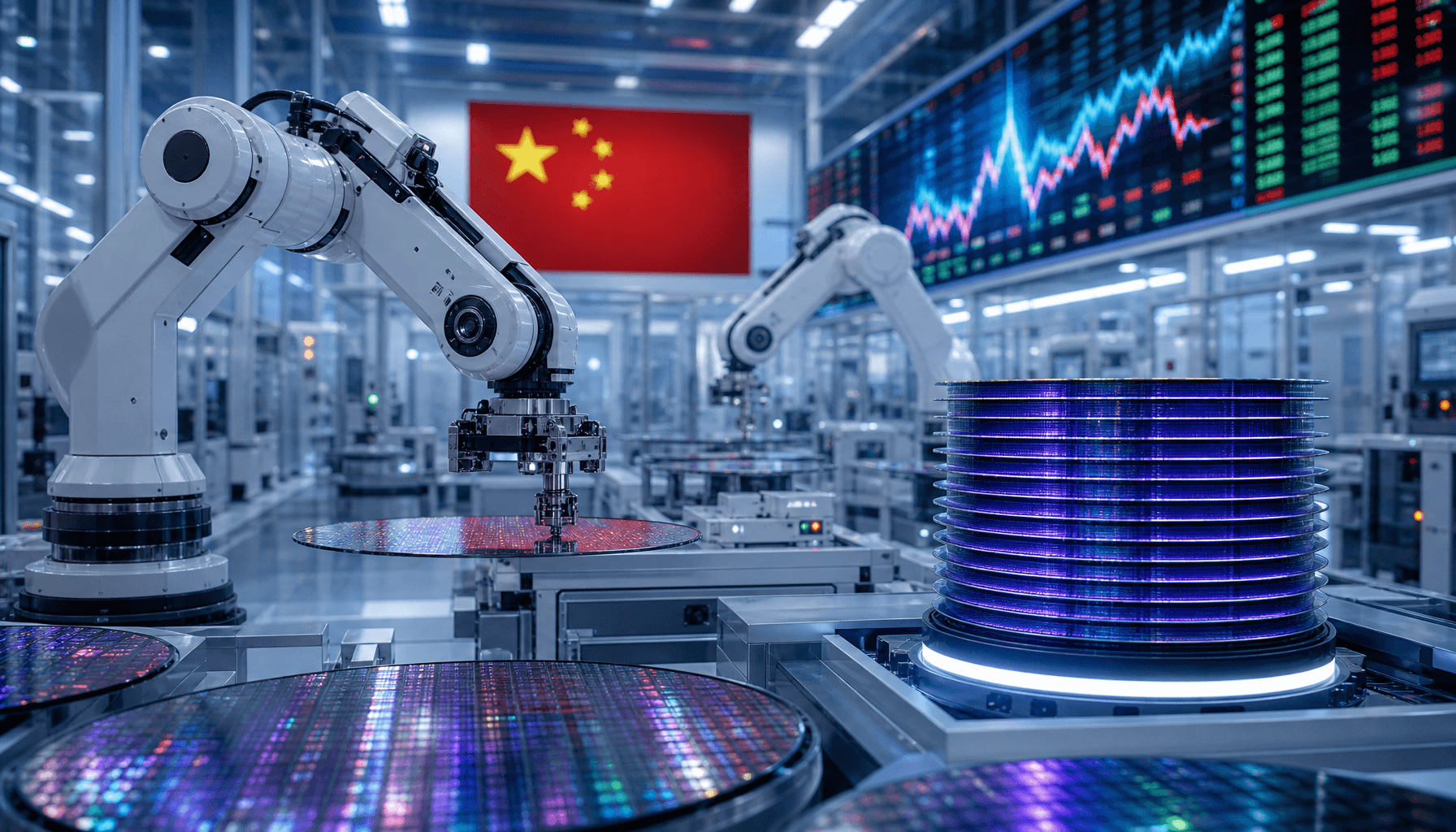
As the explosion in demand for artificial intelligence (AI) computing power continues, the global semiconductor supply chain is undergoing a profound restructuring of capacity and pricing. Reports indicate that TSMC, the world's largest contract chipmaker, plans to raise its chipmaking prices by up to 10% in 2027. This decision reflects the relentless demand from AI data centers for advanced process nodes and TSMC's strategic imperative to maintain profitability while sustaining the high capital expenditures required to expand its production facilities.
Supply Chain Transformation Driven by AI Demand
AI chips require not only extreme computational performance but also advanced packaging technologies. Companies like IQE have already upgraded their revenue growth forecasts to over 30%, signaling that the build-out of AI hardware infrastructure is a sustained, multi-year trend rather than a transient spike. As the primary foundry for AI giants like NVIDIA and AMD, TSMC's pricing strategy directly influences the cost structures of downstream server and cloud service providers. The consensus among market analysts is that this price hike will solidify TSMC's pricing power in the advanced process segment.
Expert Analysis and Market Data
Market data shows that the trend toward higher semiconductor pricing has been evident over the past few quarters. With the increasing complexity of AI models, the demand for advanced chips is growing exponentially. Google Trends data shows that search interest for "TSMC price hike" and "AI chip demand" remains above 70 in Taiwan, indicating high attention to supply chain dynamics. Experts note that TSMC's price increases are not merely a reflection of rising raw material costs but a strategic move to subsidize R&D expenses and the immense capital investment needed for 2nm processes and beyond.
Industry Impact and Global Competition
TSMC's planned price increases exert significant cost pressure on global tech giants. However, given the current lack of alternative suppliers capable of matching TSMC's yields and capacity, major tech firms are expected to absorb these costs. This may accelerate the trend of clients developing their own custom chips (ASIC) to reduce reliance on external foundries, thereby intensifying competition in the semiconductor design sector.
Legal and Regulatory Environment
While price adjustments are standard commercial practice, the increasingly stringent global antitrust landscape means that TSMC, as a dominant player, must ensure its pricing strategies remain within the bounds of international competition laws. Market research suggests that TSMC's pricing remains within the scope of market-driven adjustments and has not triggered significant antitrust litigation. Nevertheless, as its influence grows, TSMC may face greater scrutiny regarding supply chain fairness in international policy forums.
Future Observations
Looking ahead, investors and industry observers should track several key indicators: whether TSMC's capital expenditure plans will expand further in response to price hikes, the reaction of major clients like NVIDIA and Apple regarding contract adjustments, and the order growth for semiconductor equipment suppliers like ASML and Applied Materials. As 2027 approaches, TSMC's strategic maneuvers will serve as a vital bellwether for the semiconductor industry.