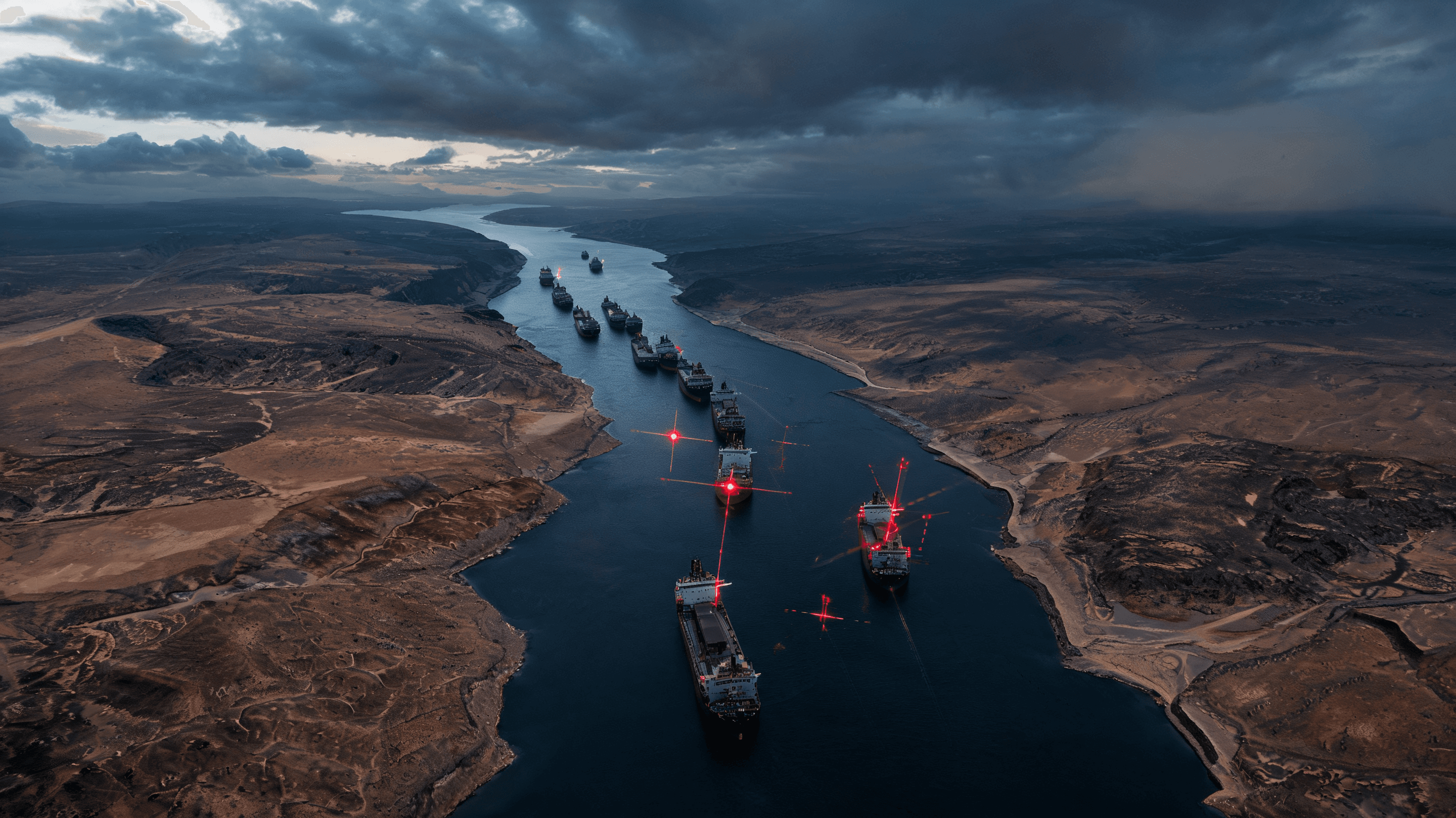
Middle East Tensions Surge: Missile Attacks on Saudi Refineries Spike Oil Prices
Middle East tensions escalate as Houthi missiles target Saudi refineries, leading to US retaliatory strikes and a 10% surge in crude oil prices this week.
US-Iran military exchanges enter their ninth day, pushing Brent crude above $90/barrel and sparking global inflation fears. European stocks dipped, while India's bond yields and currency fell amid geopolitical risk; markets are closely watching central bank policy and conflict updates.
US-Iran conflict escalates with six consecutive nights of US strikes and Iranian retaliation against Kuwaiti infrastructure. Hormuz Strait transits have dropped, fueling global energy market anxiety.
US-Iran military escalation drives global oil and gold market volatility. The Trump administration's aggressive strategy raises supply chain fears, prompting a shift toward safe-haven assets.
US-Iran tensions escalate as Iran launches 'Operation Nasr 2' against US military assets, prompting a US naval blockade and threats against energy infrastructure, threatening global supply stability.
US-Iran tensions escalate with three nights of strikes; tanker attacks in the Strait of Hormuz spark energy supply fears. Global stocks drop as risk appetite evaporates and oil prices surge.
US-Iran tensions spike as Iran closes the Strait of Hormuz following massive US airstrikes; global energy markets brace for volatility.
Military clashes between the US and Iran have intensified across the Gulf, threatening existing peace deals and triggering air raid alerts in Bahrain, sparking global concerns over energy supply chain stability.
President Trump's declaration that the Iran ceasefire is over has triggered a surge in crude oil prices and a broad market sell-off, with investors bracing for potential energy supply chain disruptions.
Following attacks on commercial tankers in the Strait of Hormuz, the US launched military strikes on Iran and accelerated oil sanctions, causing a surge in oil prices and global risk-off sentiment.
Iran has rejected U.S. peace talks and asserted control over the Strait of Hormuz, driving up oil prices and threatening global energy security.
The US-Iran ceasefire is easing Middle East tensions, with markets anticipating oil prices to drop to ~$70/barrel; however, persistent inflation keeps global markets in a state of volatility.
A tentative US-Iran peace deal to reopen the Strait of Hormuz has triggered a global market rally. The Philippine PSEi surged 6.14%, Indian bond yields hit two-month lows, and US futures climbed as energy price pressures eased.
A Middle East ceasefire is being tested by Israeli military strikes near Beirut, driving up oil prices and highlighting extreme market sensitivity to regional escalation.
US-Iran tensions have flared up again, with new US strikes drawing Iranian retaliation, causing global oil price volatility and raising urgent concerns about energy stability.
Peace negotiations between the US and Iran are advancing, with a focus on reopening the Strait of Hormuz. Global oil prices have declined as market fears of supply disruption ease, while the US remains focused on long-term stability.
The escalation of the Iran war has sparked a global market sell-off and doubled oil prices, causing severe distress in the airline sector and intensifying investor caution.
Escalating geopolitical tensions involving Iran have placed global energy markets on edge, with analysts warning of a 'worst-case scenario' for oil supplies. Potential disruptions in the Strait of Hormuz could lead to soaring energy prices, driving global inflation and forcing central banks into aggressive monetary tightening.
Global markets plunged as oil prices surged past $100 per barrel due to escalating tensions in the Middle East. US stock futures and Bitcoin fell in tandem as investors fled to traditional safe havens, while the Gulf’s air-defense networks face real-time tests from missile and drone threats.