US-Iran Military Escalation Widens Across Middle East
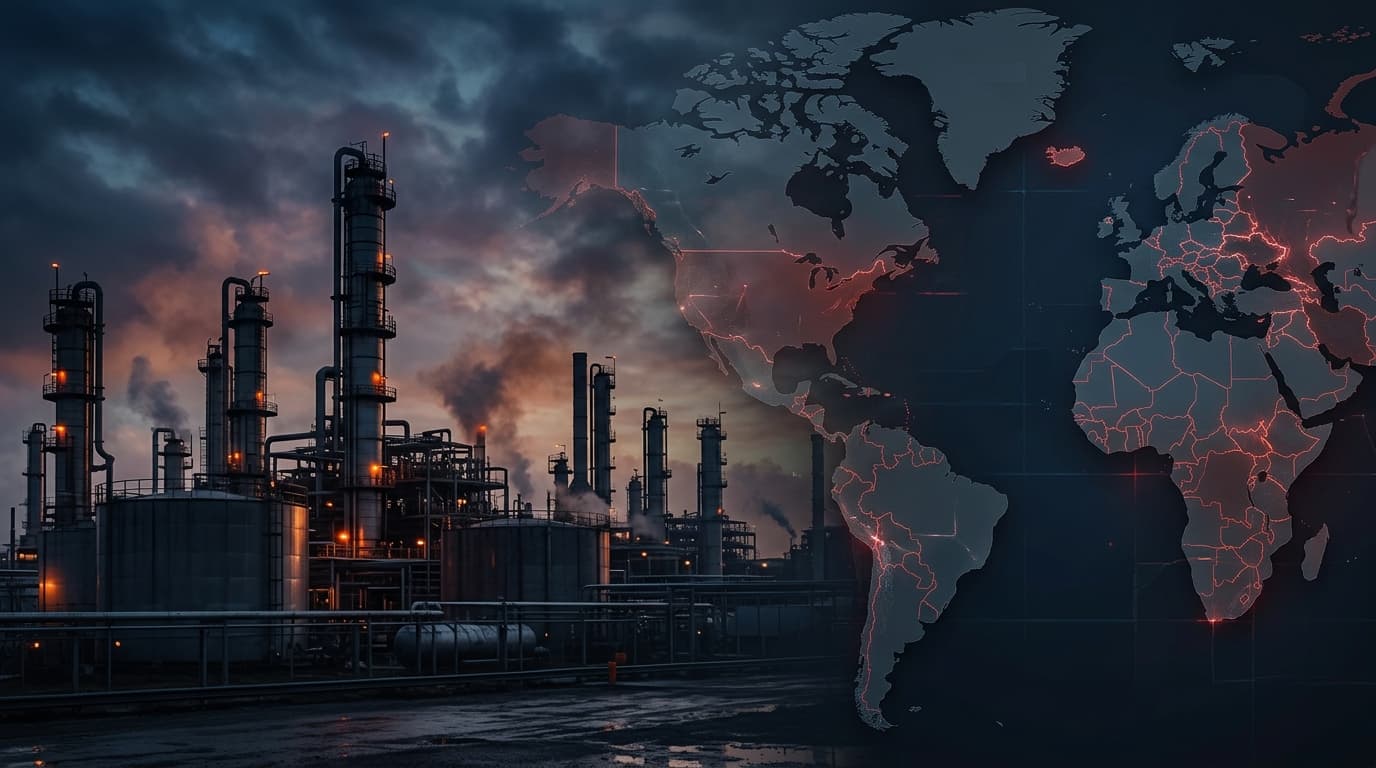
Military escalation between the US and Iran has intensified, with direct strikes on infrastructure threatening the Strait of Hormuz and heightening global market anxiety.
India and Russia have set a $50 billion mutual investment target by 2030, focusing on advanced manufacturing and critical minerals through a new industrial partnership model.
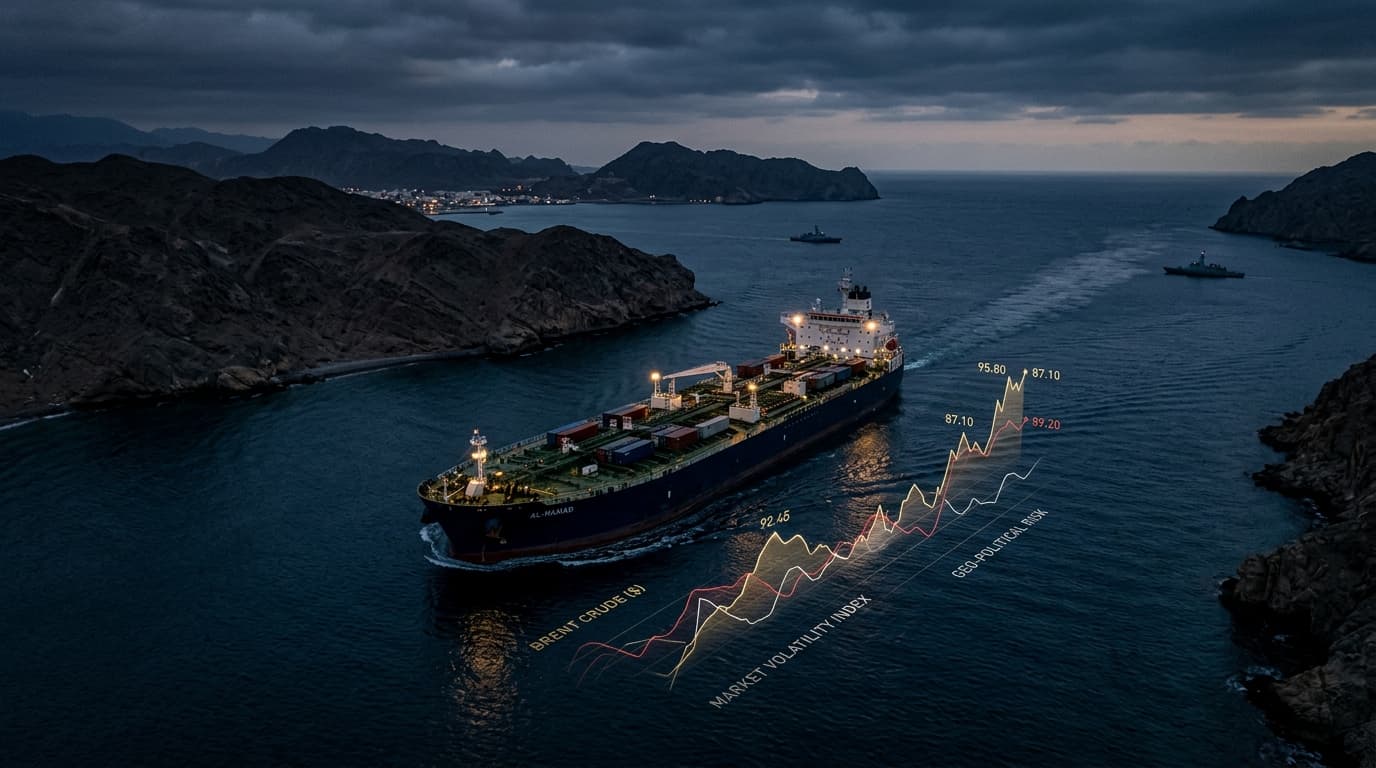
Iran has rejected U.S. peace talks and asserted control over the Strait of Hormuz, driving up oil prices and threatening global energy security.
Vietnam's Ministry of Finance met with major energy groups to discuss resource allocation and grid stability to implement the Power Development Plan VIII (PDP8).
Strait of Hormuz shipping reaches record levels, easing supply chain pressures, yet diplomatic tensions persist as Iran denies IAEA access to nuclear sites.
General Motors is developing large-scale sodium-ion battery technology for data centers and power grids, combining this with vehicle-to-grid (V2G) applications to transition into an energy solutions provider.
Texas power grid warnings over voltage failures at data centers and crypto sites highlight the strain of high energy demand on infrastructure. The issue has prompted regulators to review grid stability and power access standards for high-energy industries.
In response to the power crisis triggered by data centers and AI computing, Virtual Power Plants (VPPs) are becoming an essential solution for grid resilience by integrating distributed energy resources.
Rising energy consumption in data centers has triggered public and employee protests. Tech giants are responding by testing innovative solutions like virtual power plants to navigate energy constraints and regulatory pressure.
Fusion startup Xcimer has activated what is reported to be the world's largest privately owned laser, signaling a major milestone for private-sector nuclear fusion energy development.
Massive demand from AI data centers is straining the U.S. power grid, driving up prices and prompting automakers like Ford and GM to shift focus to energy storage solutions.
Facing headwinds in the EV sector, US automakers like Ford and GM are shifting focus toward AI-optimized energy storage and grid services to find new, sustainable revenue streams.
Fervo Energy's planned $1.3B IPO highlights the rising demand for baseload green energy solutions required to support the massive electricity needs of AI data centers.
The United Arab Emirates is set to exit the Organization of the Petroleum Exporting Countries (OPEC) on May 1 after 59 years, seeking greater autonomy over its oil production in a volatile global market.
Data center energy demands are driving a 66% surge in natural gas power plant costs. This imbalance between AI’s expansion speed and physical energy infrastructure development is posing a structural risk for the global tech sector.
As the AI boom drives unprecedented demand for electricity, the US EIA is planning mandatory energy usage assessments for data centers. With European power grids also under extreme pressure, data centers are increasingly being treated as regulated industrial utilities, forcing a focus on efficiency and sustainability.
The U.S. Energy Information Administration has initiated a mandatory reporting requirement for data centers, compelling them to disclose energy usage data to help regulators monitor the power-intensive impact of AI infrastructure on the national grid.
Escalating tensions with Iran are undermining the US administration's goal of energy dominance, as high domestic output fails to insulate consumers from global price volatility.
Geopolitical tensions in the Strait of Hormuz have escalated following the collapse of US-Iran peace talks, leading to blockades, shipping crises, and market instability.
Tech giants are building on-site natural gas plants to power AI data centers, facing regulatory hurdles from FERC/NEPA and project delays due to trade tariffs, complicating their energy strategies.
ThinkLabs AI closes $28 million Series A round to deploy GPU-accelerated AI models for power grid simulation and optimization, aiming to solve the energy bottlenecks created by AI expansion.
US lawmakers are pushing for mandatory electricity disclosure for data centers to address concerns regarding the infrastructure and environmental impact of AI-driven computing, reflecting a broader trend of ESG regulation.
Sam Altman-backed Helion Energy is in talks to supply 12.5% of its power output to OpenAI, signaling a strategic move by AI labs to secure energy through fusion technology.